How Matthew Resolved Lifelong Anxiety, Panic Attacks, Bloating and Fatigue in 11 Months


Author:
Amanda Ledwith, BHSc Naturopathy
Last Updated:
Reading Time:
5 mins
Categories:
Case Studies
case-study-anxiety-panic-fatigue
What You'll Learn
Client: Matthew - 42, from New South Wales
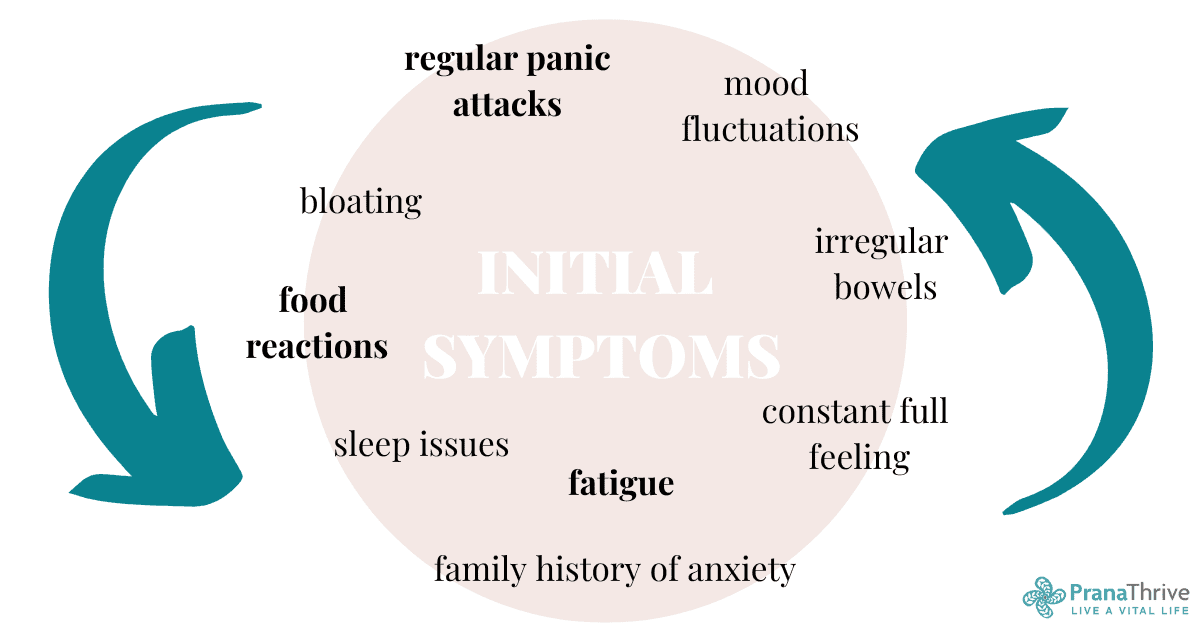
Presenting symptoms: Anxiety (since childhood, family history), sporadic panic attacks, sleep issues, bloating, feeling of fullness, irregular bowel movements, food reactions, afternoon fatigue
Previous treatment: Already taking anxiety medication, melatonin, chromium, probiotics, fish oil, B vitamins, turmeric, magnesium, and L-glutamine — with limited success
Timeline: 11 months (6-month program + follow-up retest)
Key outcomes:
Anxiety completely resolved
Panic attacks eliminated
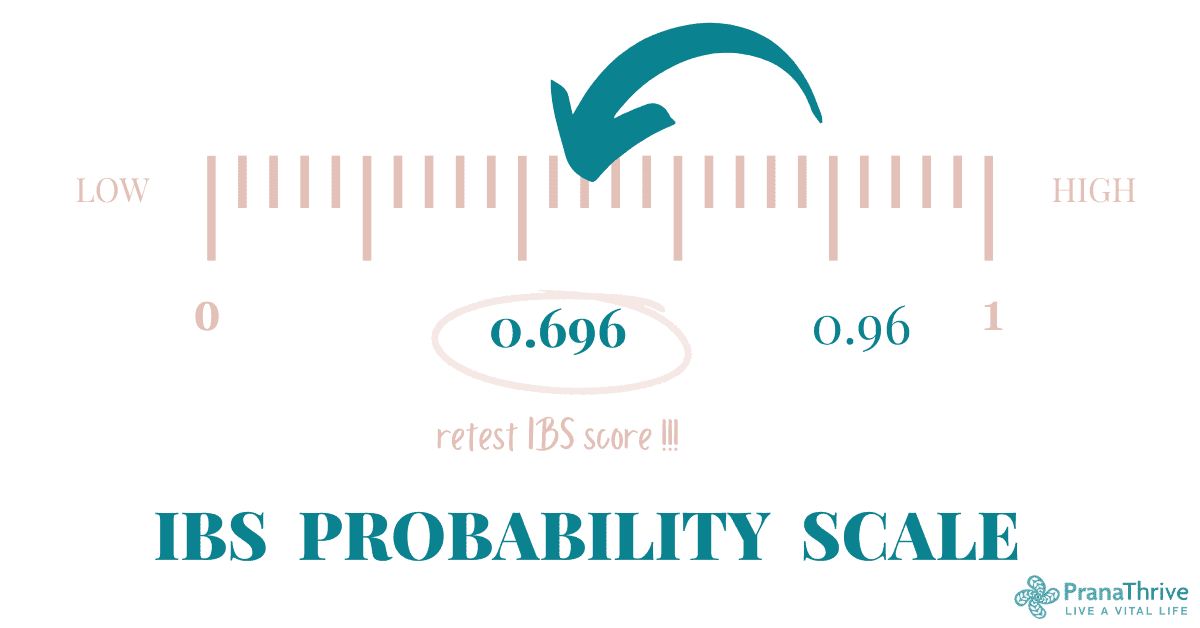
IBS score reduced by 26%
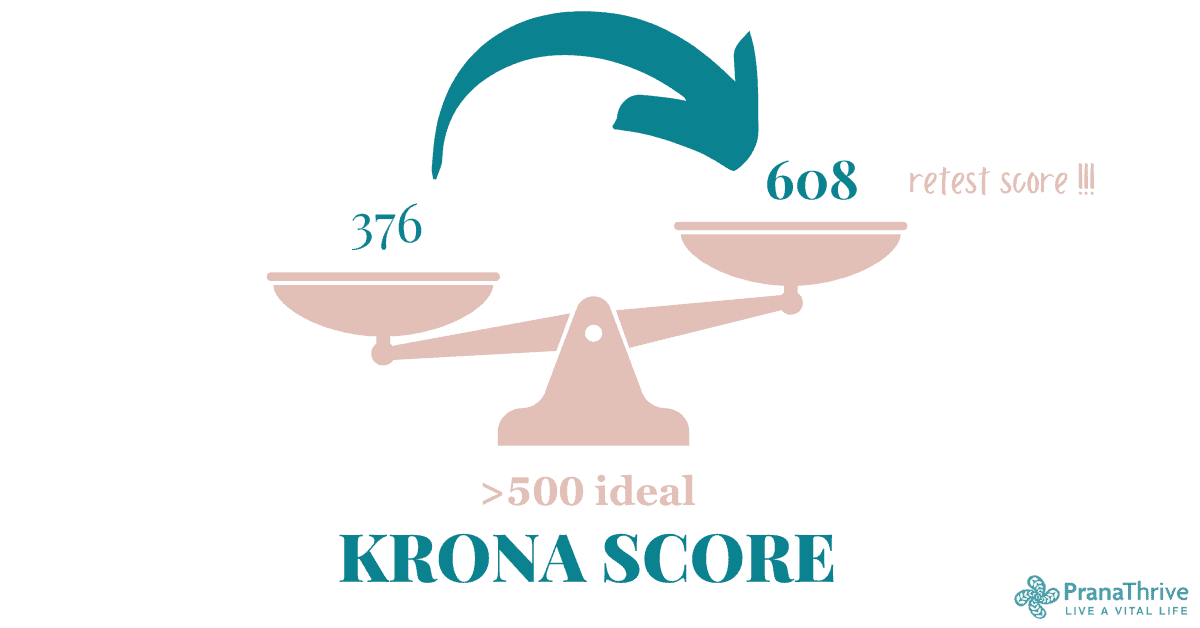
Microbiome diversity increased 232 points (Krona score 376 → 608)
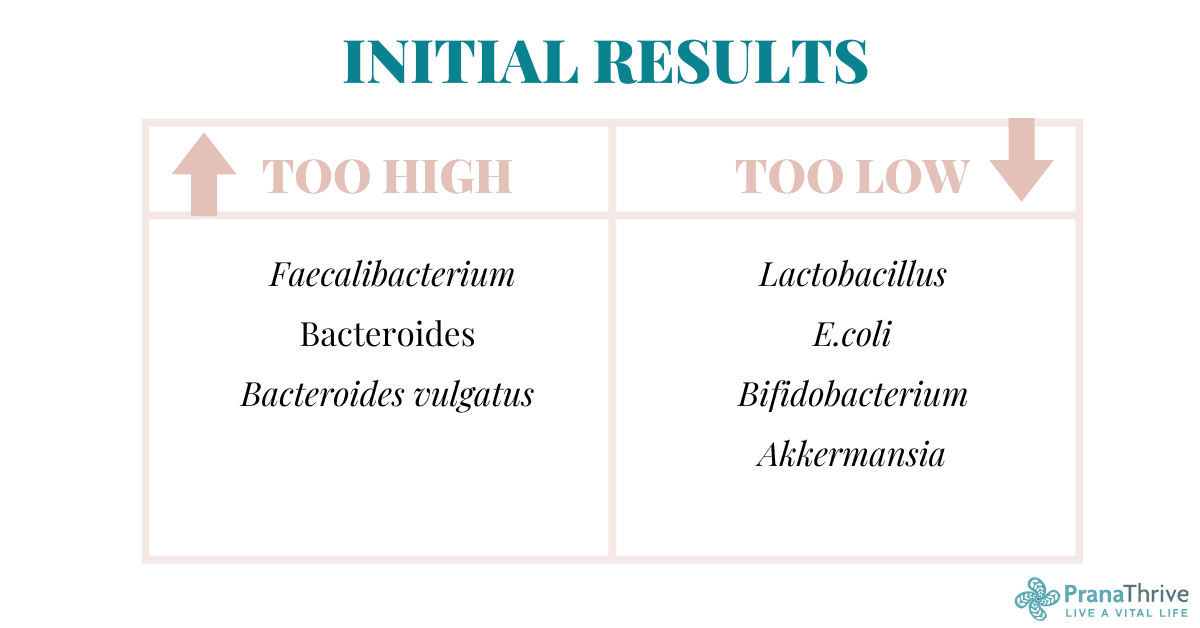
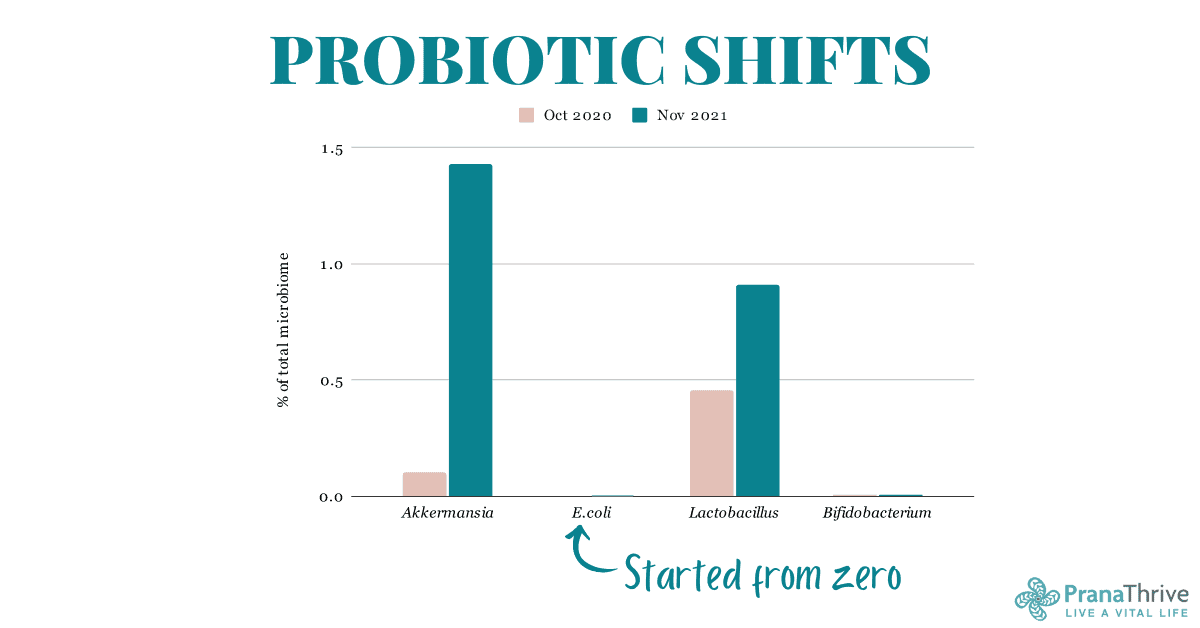
Lactobacillus strains doubled
Bifidobacteria and Akkermansia improved
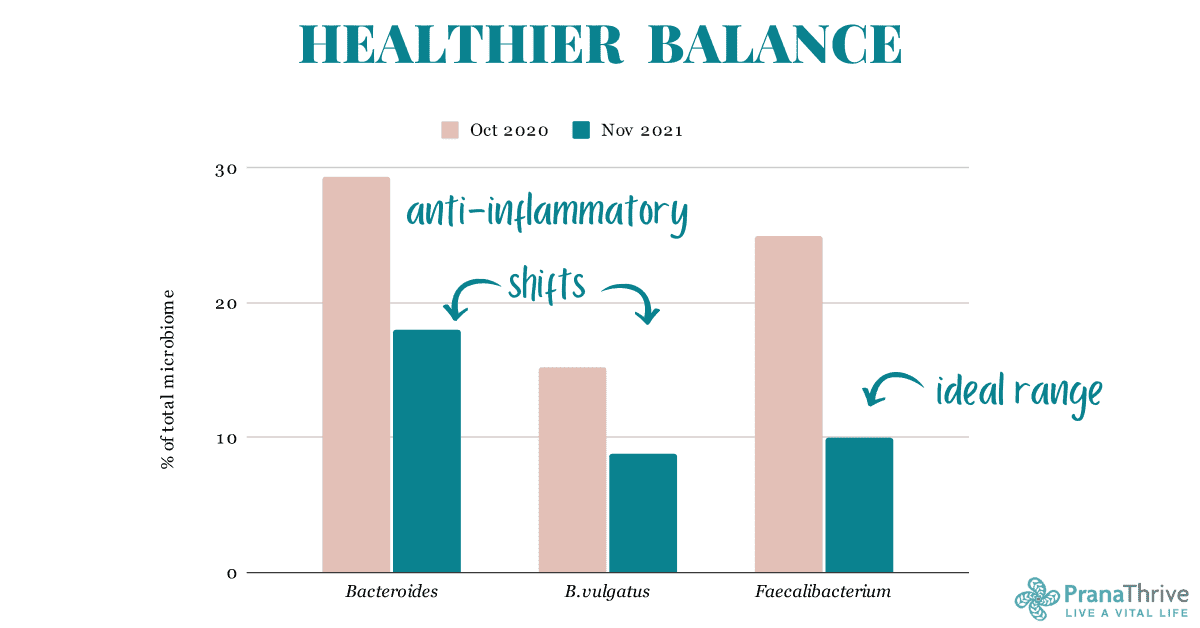
Inflammatory bacteria (Bacteroides vulgatus) reduced from 15% to 8%
Faecalibacterium normalised (25% → 10%)
Now considering medication reduction with his doctor
Matthew’s Starting Point
Matthew came to us with a clear goal: to finally get control of anxiety that had followed him since childhood and ran in his family. At 42, he was determined to address the root cause rather than continue managing symptoms.
Despite already working with a nutritionist and taking a substantial supplement regimen — anxiety medications, melatonin, chromium, probiotics, fish oil, B vitamins, turmeric, magnesium, and L-glutamine — he was still experiencing:
Persistent anxiety and sporadic panic attacks
Sleep disturbances
Bloating and a constant feeling of fullness
Irregular bowel movements
Reactions to various foods
Afternoon energy crashes
He had already adjusted his diet to be low in dairy, moderate in protein, and rich in vegetables. He was doing many things right — but without knowing what was actually happening in his gut, his efforts weren’t targeting the real issues.
What Testing Revealed
Matthew’s initial microbiome test showed clear patterns explaining why his symptoms persisted despite his efforts:
Reduced diversity — Limited bacterial variety, reducing resilience
Very high IBS score — Confirming digestive dysfunction
Elevated inflammatory bacteria — Contributing to systemic symptoms including anxiety
Low beneficial bacterial groups — Missing the strains that support mood regulation and gut-brain communication
Victoria’s analysis identified that Matthew’s existing probiotic supplements weren’t matched to his specific deficiencies. His test showed which strains were actually depleted and which inflammatory species were elevated — information that allowed for targeted intervention rather than generic supplementation.
The Personalised Protocol
Based on Matthew’s test results and symptom picture, Amanda designed a targeted 6-month protocol:
Targeted supplementation:
Specific strains matched to his identified deficiencies
Prebiotics and probiotics selected based on test results
Nervous system and stress management support
Dietary refinements:
Increased resistant starch to feed beneficial bacteria
More probiotic-rich foods
Reduced coffee consumption
Matthew embraced these recommendations fully, making adjustments that were now guided by data rather than guesswork.
Progress and Retest Results
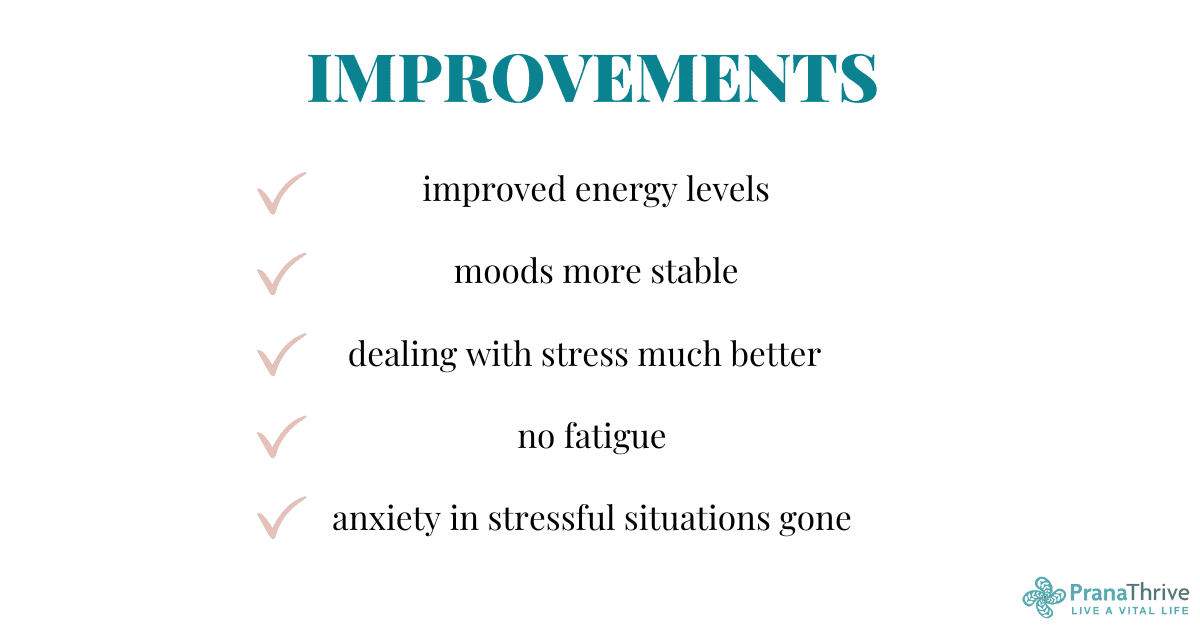
After completing the 6-month program, Matthew reported significant improvements:
Energy levels stabilised
Moods more balanced
Better stress management
Complete absence of food-related anxiety
He opted for a retest to measure his progress objectively. The results confirmed his transformation.
Bacterial Diversity
His microbiome diversity increased dramatically — 232 points improvement (Krona score from 376 to 608). This substantial gain reflects a more resilient, balanced gut ecosystem capable of supporting mood regulation and immune function.
Beneficial Bacteria Flourishing
Lactobacillus: Number of strains doubled. These bacteria are critical for producing compounds that support the gut-brain axis and reduce anxiety.
Bifidobacteria: Levels improved significantly. These species support immune function and produce B vitamins essential for nervous system health.
Akkermansia muciniphila: Improved from initial low levels. This keystone species maintains gut barrier integrity, reducing the inflammatory signals that can drive anxiety.
Inflammatory Bacteria Reduced
Bacteroides vulgatus (an inflammatory species) decreased from 15% to just 8%, indicating a shift toward a less inflammatory gut environment.
Butyrate Production Normalised
Faecalibacterium returned to ideal range (from elevated 25% to optimal 10%). This species produces butyrate, a short-chain fatty acid that nourishes the gut lining and has anti-inflammatory effects throughout the body, including the brain.
Long-Term Success
Matthew’s results have held. His anxiety is now completely resolved, and he is working with his doctor to potentially reduce his medication — something that seemed impossible before addressing his gut health.
Two years after completing his program, Matthew reports his overall health remains excellent. He attributes his sustained improvement to the targeted, data-driven approach that addressed his specific imbalances rather than generic recommendations.
His case illustrates a crucial point: the gut-brain connection is real and measurable. Matthew had been trying to manage anxiety with supplements and dietary changes for years, but without knowing which bacteria were actually depleted and which were causing inflammation, his efforts were misdirected. Testing revealed the specific patterns driving his symptoms, and targeted intervention resolved what decades of general approaches hadn’t touched.
Could This Approach Help You?
If Matthew’s story resonates — if you’ve been managing anxiety, panic attacks, or mood issues without lasting success, if you’re already doing “all the right things” but still struggling — comprehensive testing can reveal what’s actually happening in your gut.
At Prana Thrive, every test is analysed by Amanda (who has personally reviewed over 2,000 microbiome tests) with scientific oversight from Victoria, our in-house microbiologist. This combination of clinical pattern recognition and microbiological expertise allows us to identify the specific imbalances driving your symptoms.
Our AIM Method™ (Analyse → Integrate → Monitor) provides:
Analyse: Comprehensive testing reveals your unique microbiome picture — not assumptions based on symptoms or generic recommendations
Integrate: A personalised protocol targeting your specific imbalances, replacing guesswork with precision
Monitor: Follow-up testing to confirm changes and ensure lasting results — the approach that proved Matthew’s transformation was real and sustainable
Book a free 15-minute evaluation call to discuss your symptoms and find out if our approach is right for you.
Book Your Free Evaluation Call

Related Articles:
Service Pages: