How Amelia Resolved IBS, Depression, Anxiety and Hormonal Imbalances in 9 Months


Author:
Amanda Ledwith, BHSc Naturopathy
Last Updated:
Reading Time:
5 min
Categories:
Case Studies
case-study-ibs-depression-anxiety
What You'll Learn
Client: Amelia - 39, from New South Wales
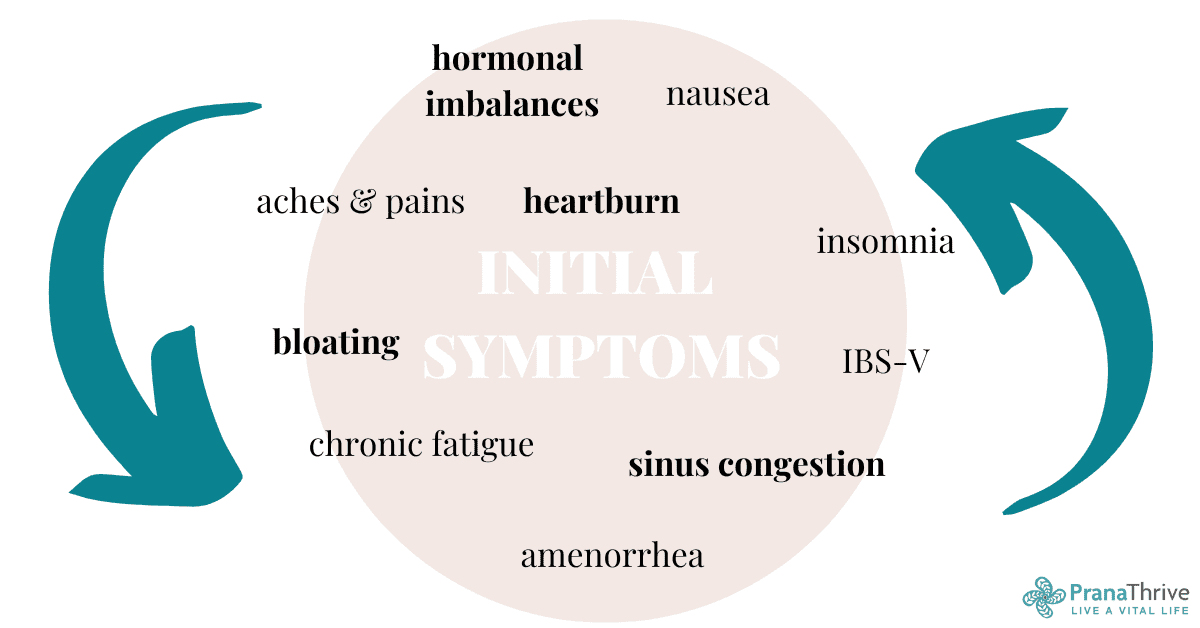
Presenting symptoms: IBS-V, chronic depression (since high school), anxiety, chronic fatigue, adenomyosis, sinus congestion, bloating, heartburn, nausea, constipation, aches and pains, acne, amenorrhea, sleep disturbances
Timeline: 9 months (6-month program + 3-month follow-up retest)
Key outcomes:
Digestive symptoms completely resolved
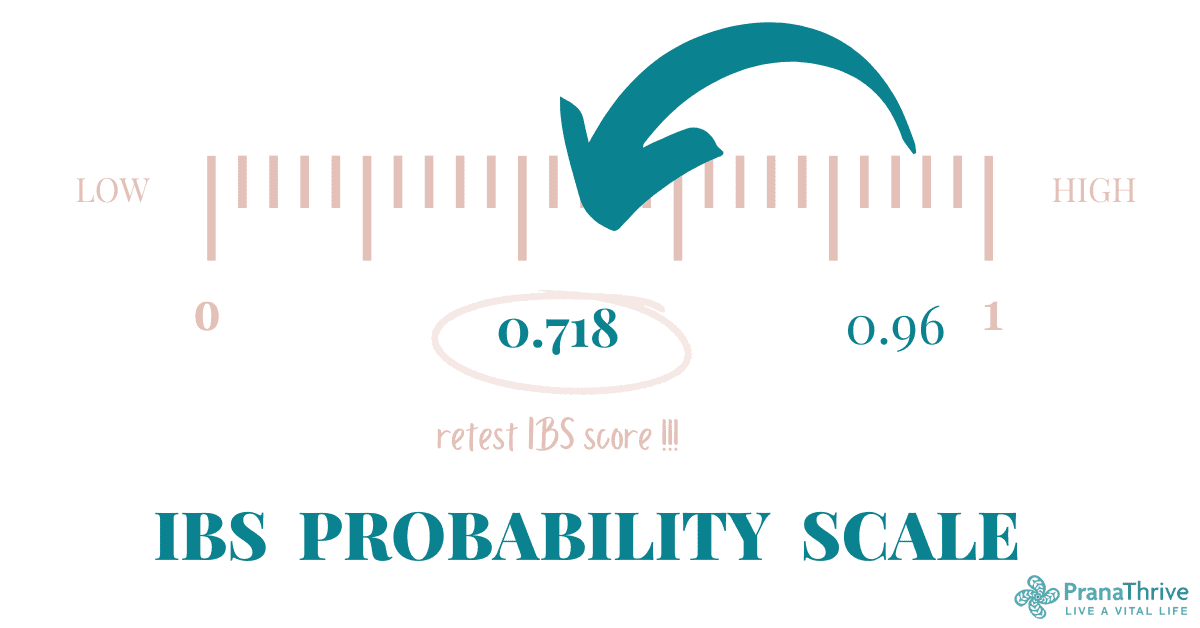
IBS score reduced by 24%
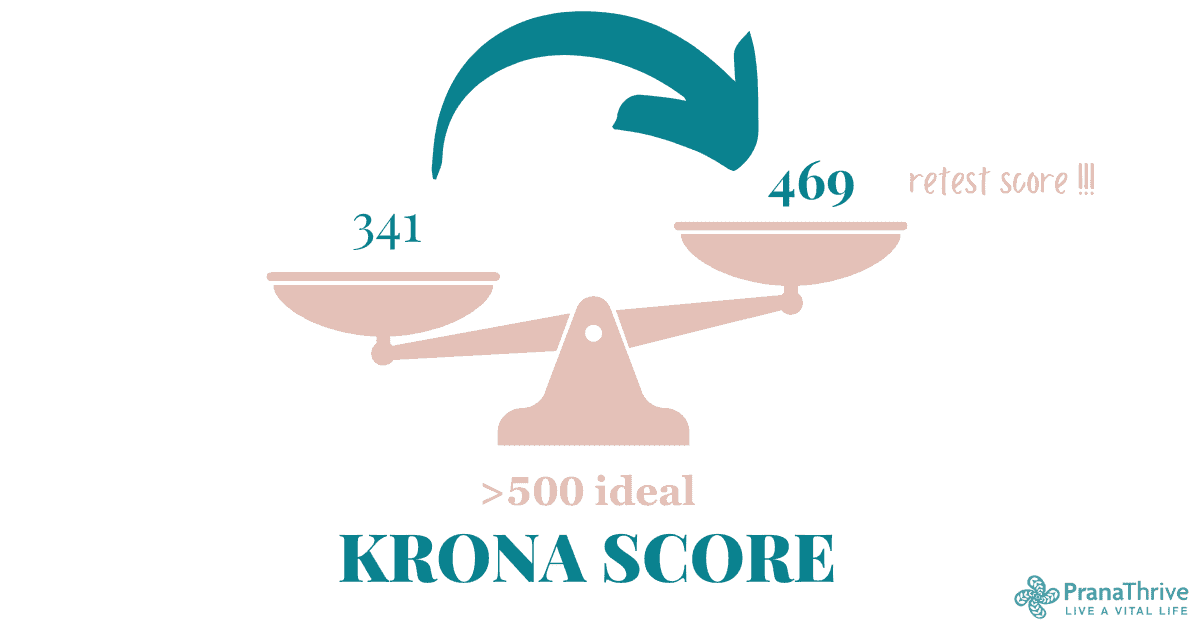
Microbiome diversity increased 128 points (Krona score 341 → 469)
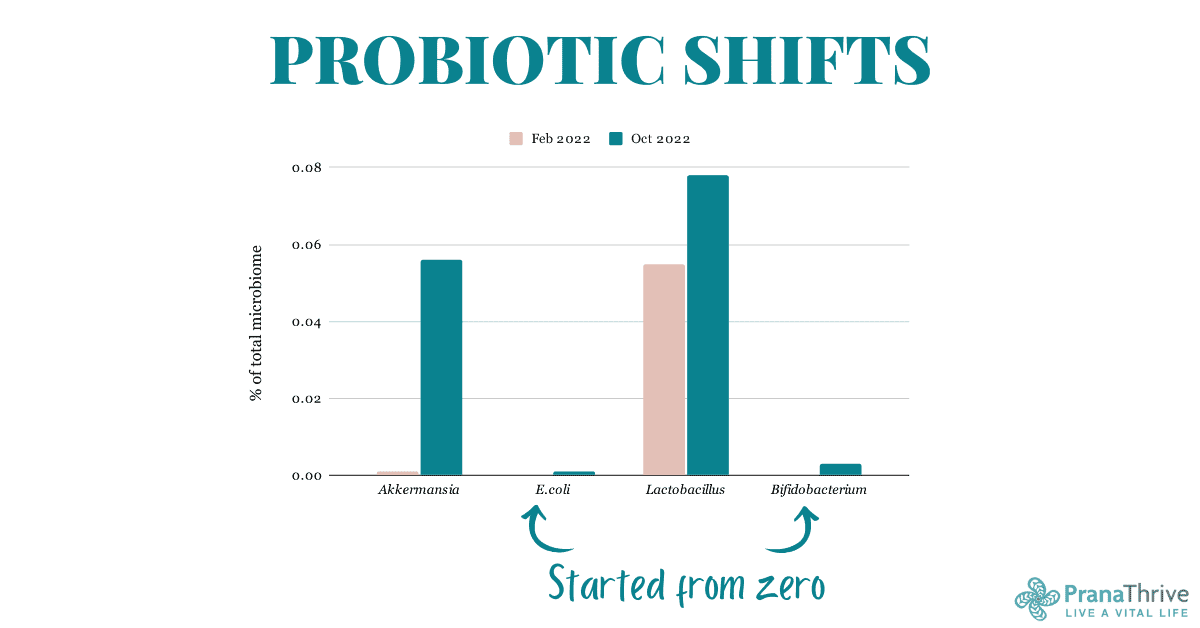
Lactobacillus strains increased from 6 to 17
Bifidobacteria recolonised (previously absent)
Akkermansia improved from critically low to medium range
Inflammatory bacteria (Bacteroides vulgatus) reduced from 14% to 8%
Reduced reliance on depression medication
Improved B12, iron, liver markers, and thyroid markers
Amelia’s Starting Point
Amelia came to us with one clear goal: to reclaim her energy and manage depression without relying solely on medication. She had exhausted conventional medical options and was looking for an approach that addressed root causes rather than just managing symptoms.
Her health struggles had been building for years. Depression had started in high school and gradually expanded to include chronic fatigue, anxiety, and eventually a diagnosis of adenomyosis. By the time she reached out, her symptom list had grown to include:
Chronic sinus congestion
Digestive issues with bloating and heartburn
Occasional nausea
IBS-V (variable type)
Constipation
Aches and pains
Acne
Amenorrhea (absent periods)
Sleep disturbances
The symptoms seemed unrelated, but they pointed to a common thread: gut dysfunction affecting multiple body systems.
What Testing Revealed
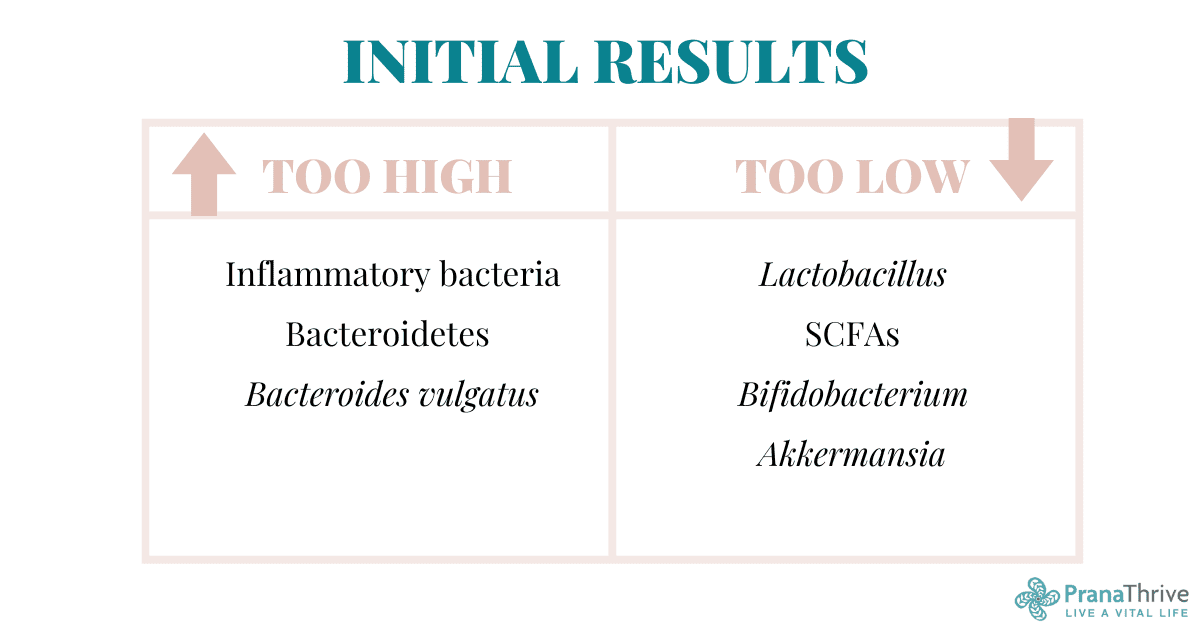
Amelia’s initial microbiome test painted a clear picture of what was driving her symptoms:
Reduced diversity — Limited bacterial variety, compromising resilience
Very high IBS score — Confirming digestive dysfunction
High inflammatory bacteria — Contributing to systemic symptoms
Low beneficial bacterial groups — Lacking the strains that support mood, energy, and immune function
Victoria’s analysis identified specific patterns: depleted Lactobacillus populations (only 6 strains detected), absent Bifidobacteria, and critically low Akkermansia muciniphila — a keystone species essential for gut lining integrity.
This explained not just Amelia’s digestive symptoms, but also why she was experiencing fatigue, mood issues, and widespread inflammation. Her gut wasn’t producing the metabolites needed to support brain function, energy production, and immune regulation.
The Personalised Protocol
Based on Amelia’s symptoms and test results, Amanda designed a targeted 6-month protocol addressing her specific imbalances:
Targeted supplementation:
Specific strains to rebuild depleted bacterial populations
Prebiotics to feed beneficial bacteria
Support for stress management and hormonal balance
Dietary adjustments:
Increased resistant starch to feed SCFA-producing bacteria
Probiotic-rich foods incorporated into daily routine
Anti-inflammatory focus
Lifestyle support:
Stress management strategies (critical given the gut-brain connection)
Sleep optimisation
Early Progress
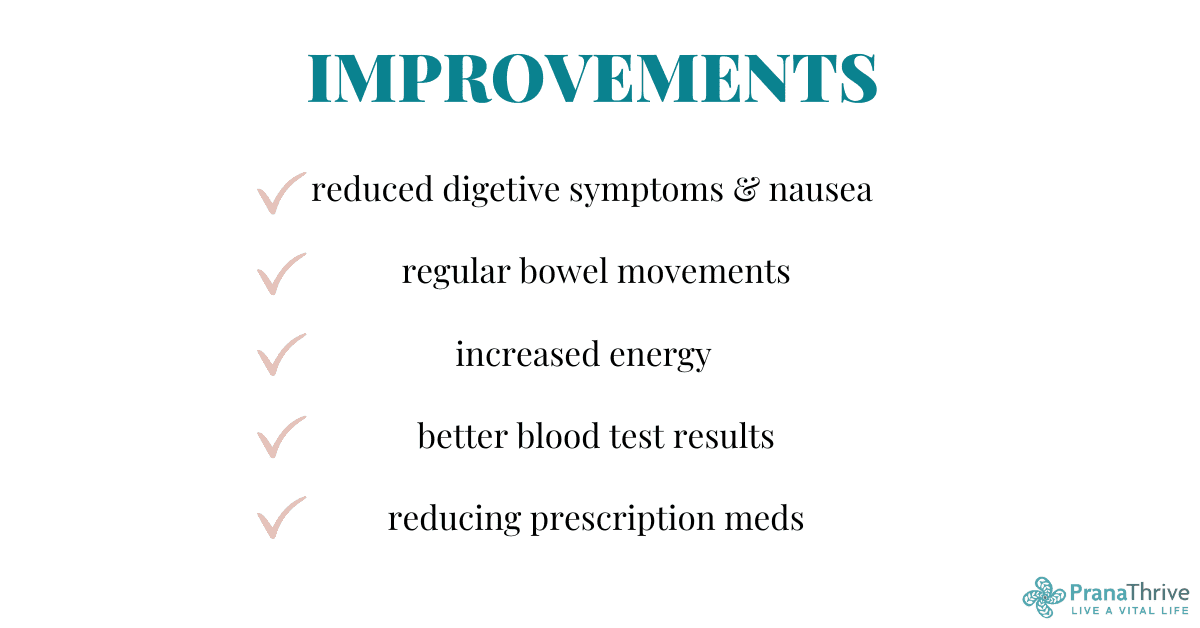
Amelia’s dedication showed results faster than expected. Within the first two months:
Digestive symptoms and nausea improved markedly
Bowel movements became regular
Energy levels began increasing
Midway through the program, blood tests revealed broader improvements:
Improved B12 and iron levels
Reduced liver markers
Enhanced thyroid markers
Anxiety and depression remained variable — these are complex conditions that don’t resolve overnight. However, Amelia was able to reduce her reliance on prescription medication, which had been one of her primary goals.
By the end of the 6-month program:
Digestive symptoms had resolved entirely
Energy levels continued climbing
Mood management, while still a work in progress, had improved significantly
Retest Results: 9 Months From Starting
Three months after completing her initial program, Amelia opted for a retest to measure her progress objectively. The results confirmed what she was experiencing symptomatically.
Bacterial Diversity
Her overall microbiome diversity increased dramatically — 128 points improvement (Krona score from 341 to 469). This matters because diversity equals resilience; a diverse microbiome can better withstand stress, dietary changes, and environmental challenges.
Beneficial Bacteria Flourishing
Lactobacillus: Increased from 6 strains to 17 strains — nearly triple the variety. These bacteria produce compounds that support mood, reduce inflammation, and maintain gut barrier function.
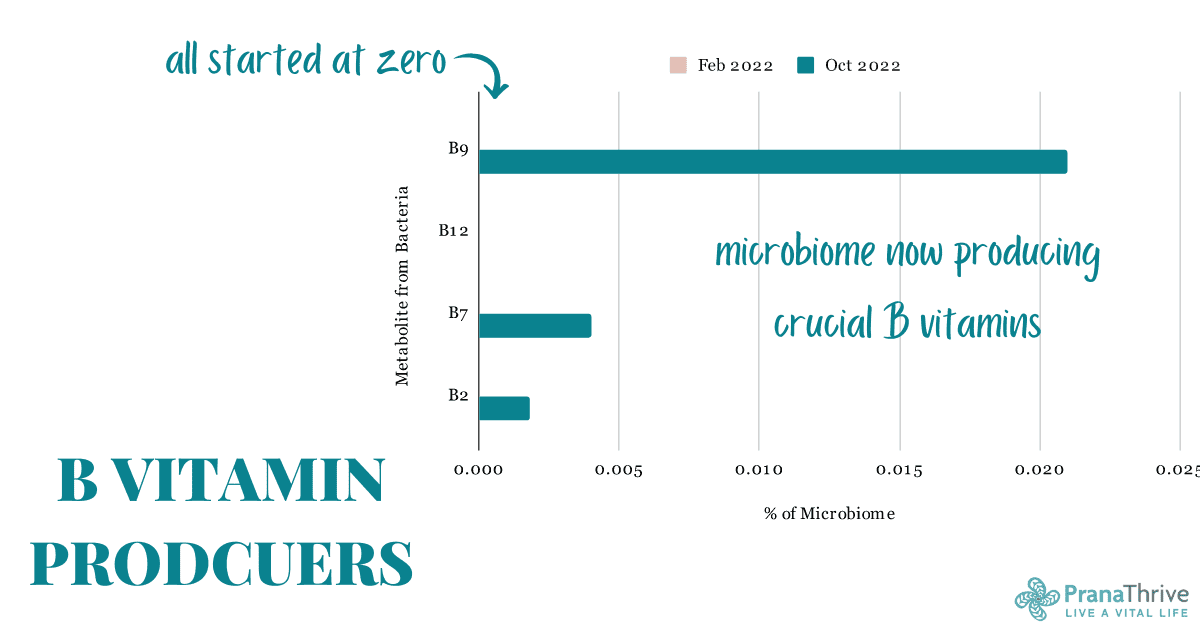
Bifidobacteria: Completely absent in her first test, now recolonised. These species are critical for immune function and producing B vitamins.
Akkermansia muciniphila: Improved from critically low to medium range. This keystone species maintains the protective mucus layer of the gut lining — its increase alone played a significant role in resolving her bloating, heartburn, nausea, and irregular bowel movements.
Inflammatory Bacteria Reduced
Bacteroides vulgatus (an inflammatory species) decreased from 14% to 8%, indicating a shift toward a healthier, less inflammatory gut environment.
New Beneficial Species Emerging
The retest showed new beneficial species that weren’t present initially — evidence of ongoing ecosystem restoration. These strains work together to improve mood, manage stress, and produce essential metabolites like B vitamins.
Where Amelia Is Now
Amelia’s transformation demonstrates what’s possible when gut health is addressed comprehensively:
Resolved:
All digestive symptoms (bloating, heartburn, nausea, irregular bowels)
Energy restored
Skin improvements
Better sleep
Significantly improved:
Depression and anxiety management
Reduced medication dependence
Hormonal markers
Overall quality of life
Ongoing:
Mood management remains a focus, but with a much stronger foundation
Maintenance protocol to preserve microbiome gains
Amelia’s case illustrates an important point: gut health affects far more than digestion. Her depression, fatigue, hormonal issues, and skin problems all had roots in microbiome dysfunction. Addressing the gut addressed the whole picture.
Could This Approach Help You?
If Amelia’s story resonates — if you’re dealing with symptoms that seem unrelated, if you’ve tried conventional approaches without lasting results, if you suspect your gut might be at the centre of your health challenges — comprehensive testing can reveal what’s actually happening.
At Prana Thrive, every test is analysed by Amanda (who has personally reviewed over 2,000 microbiome tests) with scientific oversight from Victoria, our in-house microbiologist. This combination of clinical pattern recognition and microbiological expertise is what allows us to identify the specific imbalances driving your symptoms.
Our AIM Method™ (Analyse → Integrate → Monitor) provides:
Analyse: Comprehensive testing reveals your unique microbiome picture — not assumptions based on symptoms alone
Integrate: A personalised protocol targeting your specific imbalances, not generic recommendations
Monitor: Follow-up testing to confirm changes and adjust as needed — the approach that showed Amelia’s dramatic improvements
Book a free 15-minute evaluation call to discuss your symptoms and find out if our approach is right for you.
Book Your Free Evaluation Call

Related Articles:
Service Pages: