25 Best Foods for Gut Health - And 7 to Avoid
These foods support gut health for most people—but which ones work for you depends on your unique microbiome. Here's what the research says, plus condition-specific guidance for SIBO, histamine intolerance, and FODMAP sensitivity.

Author:
Amanda Ledwith, BHSc Naturopathy
Last Updated:
Reading Time:
18 min
Categories:
Gut Health
best-foods-gut-health
What You'll Learn
This guide covers 25 foods that research shows can support gut health - organised by function so you understand how each one works. We also flag which foods may cause problems if you have SIBO, histamine intolerance, or FODMAP sensitivity.
Key Takeaways:
The "best" foods for gut health depend on your individual microbiome—what helps one person may worsen symptoms for another
Fermented foods are excellent for many people but can trigger symptoms if you have histamine intolerance
High-FODMAP prebiotic foods (garlic, onion, apples) may worsen SIBO and IBS symptoms
Resistant starch, bone broth, and omega-3 rich foods support gut healing across most conditions
If you've tried "eating well" and still have symptoms, the issue may be which bacteria you're feeding—not whether you're eating healthy foods
Why “Best Foods” Depends on Your Gut
Before we dive into this list, here’s something important: the best foods for gut health are different for everyone.
Your gut microbiome is unique—a complex fingerprint shaped by your genetics, diet history, antibiotic exposure, stress levels, and more. What works brilliantly for one person can make another person’s symptoms worse.
This is why generic gut health advice often fails. You eat all the “right” foods—fermented vegetables, prebiotic fibres, bone broth—and still feel bloated, exhausted, or reactive. It’s not that the foods are bad. It’s that they may not be right for your specific gut ecosystem right now.
For example:
Fermented foods like sauerkraut and kimchi are excellent for many people, but if you have histamine intolerance, they can trigger headaches, flushing, and digestive distress
Prebiotic foods like garlic, onion, and apples feed beneficial bacteria—but if you have SIBO, they also feed the overgrown bacteria in your small intestine, making symptoms worse
High-fibre foods support gut motility for most people, but can increase bloating and discomfort if your gut isn’t ready for them
The foods in this guide are supported by research and work well for people with healthy or mildly imbalanced guts. But if you’ve been struggling with chronic gut issues despite “eating well,” the problem isn’t your effort—it’s that you may need to know which bacteria you’re feeding before you can choose the right foods.
Throughout this guide, we’ve added condition-specific warnings so you can make informed choices based on your situation.
Prebiotic Foods
(Feed Good Bacteria)
Prebiotics are fibres and compounds that feed the beneficial bacteria already living in your gut. They’re essential for maintaining a healthy microbiome—but they can be problematic if you have bacterial overgrowth in the wrong place.
1. Apple Cider Vinegar
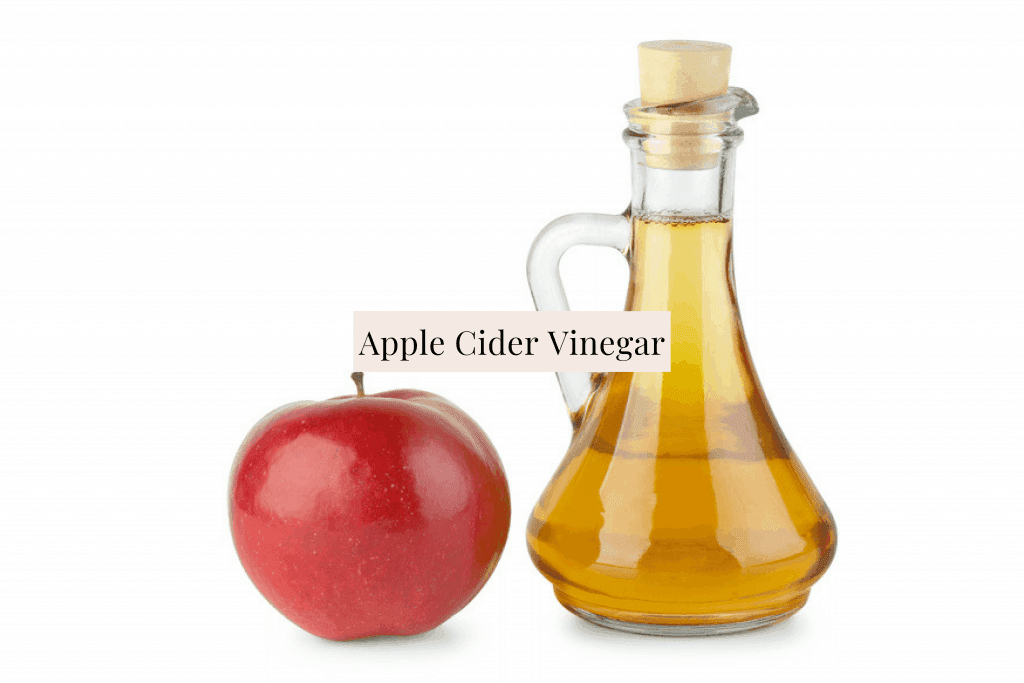
Apple cider vinegar contains prebiotics that help balance your microbiome and keep unfavourable bacteria in check. It also has antiviral, antimicrobial, and antifungal properties that support a healthy gut.
Vinegar has been shown to slightly lower bacteria like Staphylococcus aureus and Pseudomonas aeruginosa. These bacteria produce endotoxins called lipopolysaccharides (LPS), which are associated with inflammatory health problems and leaky gut syndrome.
Best for: General gut support, reducing harmful bacteria Use with caution if: You have severe acid reflux or gastritis
2. Garlic
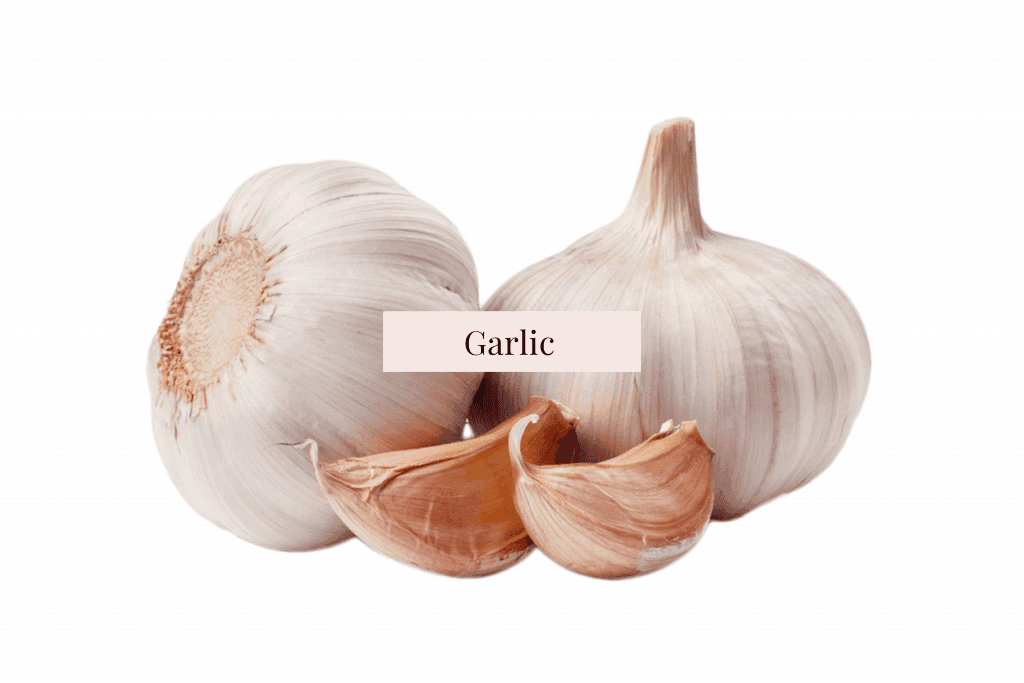
Garlic is highly beneficial for your immune system and gut, with antiviral, antibacterial, and antifungal properties. It acts as a prebiotic, feeding good bacteria, and is naturally high in inulin—a fibre that supports digestive health.
One thing to remember: garlic loses its prebiotic effect the more it’s cooked. Try rubbing it on toast or adding it raw to salads for maximum benefit.
Best for: Immune support, feeding beneficial bacteria ⚠️ FODMAP Warning: Garlic is high in fructans. If you have IBS or SIBO, garlic may significantly worsen bloating, gas, and abdominal pain. Consider garlic-infused oil (fructans don’t dissolve in oil) as an alternative.
3. Onion
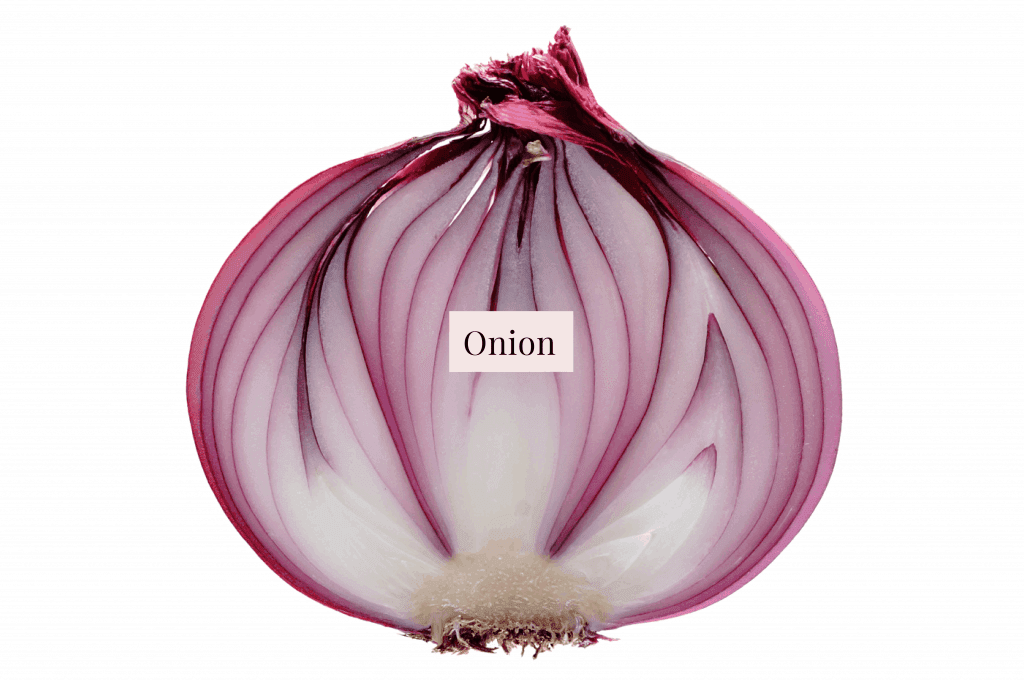
Onions are a natural prebiotic that feed beneficial bacteria in the gut. A diet rich in prebiotic foods like onions and garlic helps maintain gut health and encourages the growth of beneficial microorganisms.
Onions are also a natural antihistamine food, which can be helpful for some people with allergies or mild histamine sensitivity.
Best for: Feeding beneficial bacteria, natural antihistamine properties ⚠️ FODMAP Warning: Like garlic, onions are high in fructans and can trigger significant symptoms in people with IBS or SIBO. The green tops of spring onions are low-FODMAP if you need an alternative.
4. Almonds
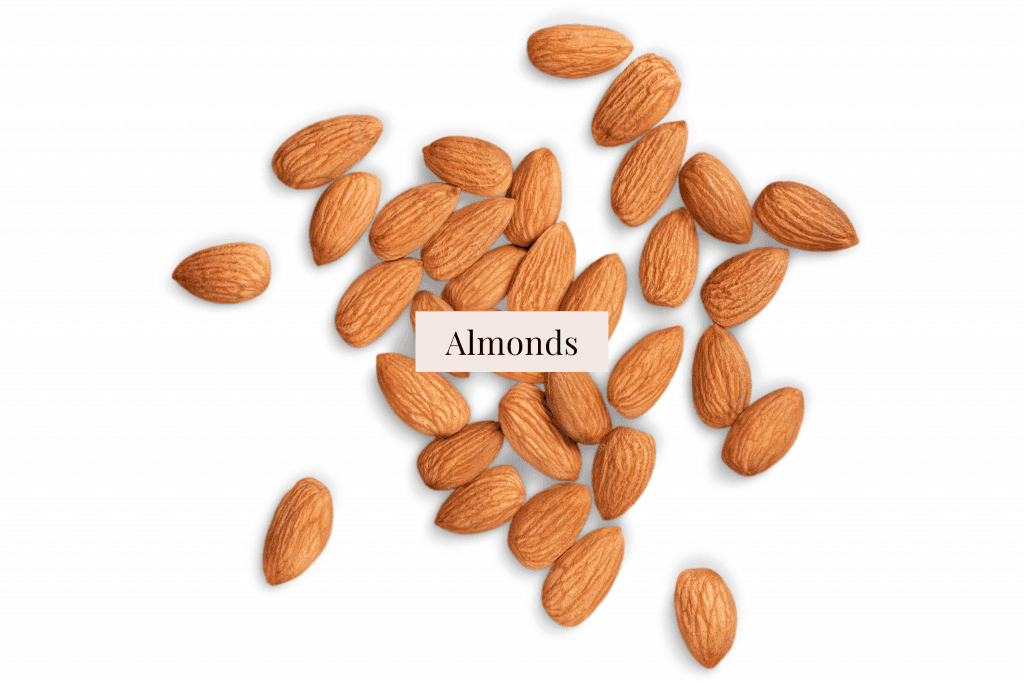
Almonds have good prebiotic properties and are high in fibre, fatty acids, and polyphenols. They’ve been shown to increase Bifidobacteria in humans—a type of beneficial bacteria that improves gut health and prevents intestinal inflammation.
For a person with a healthy gut, almonds are excellent. However, almonds also contain lectins, which some people with IBS or leaky gut find difficult to digest. Soaking almonds can help make them more digestible.
Best for: Healthy guts, increasing beneficial Bifidobacteria ⚠️ FODMAP Warning: Limit to 10 almonds per sitting if you’re sensitive to FODMAPs. Larger portions become high-FODMAP. ⚠️ SIBO Warning: If you have small intestinal bacterial overgrowth, limit nuts until your gut has rebalanced.
5. Apples
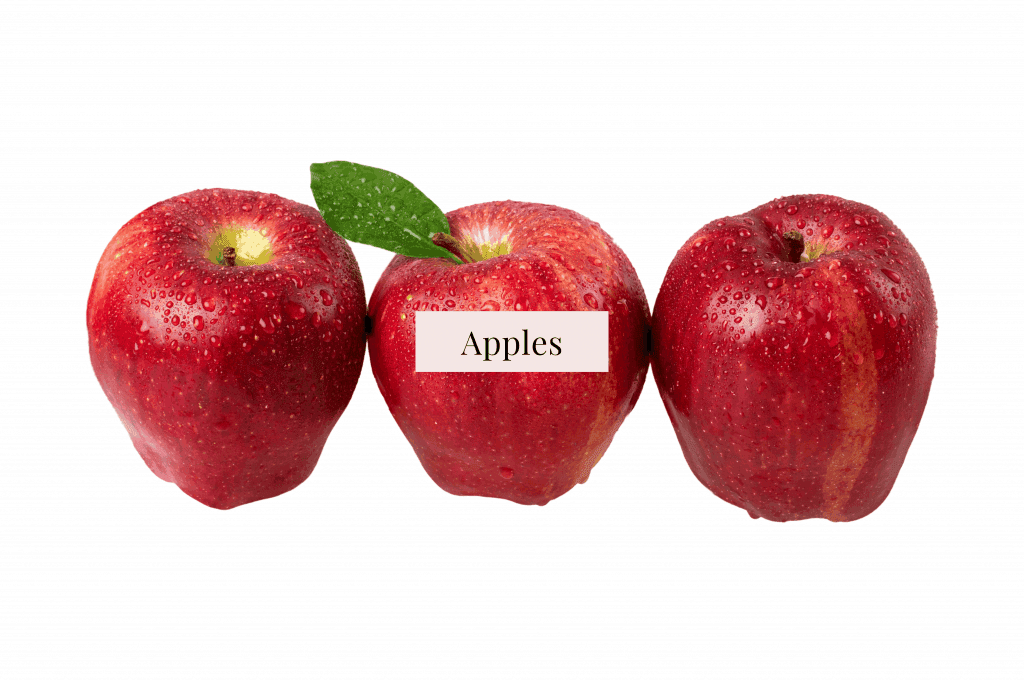
Apples are an excellent prebiotic and rich source of pectin, a soluble fibre. Pectin is broken down by friendly bacteria in your gut, helping to increase stool bulk and speed up digestive movement. It’s commonly used to relieve both diarrhoea and constipation.
Research suggests pectin can decrease the risk of intestinal infections and inflammation of the colon.
Best for: Healthy guts, regular bowel movements ⚠️ FODMAP Warning: Apples are high in fructose and sorbitol. If you have SIBO or IBS, apples may worsen bloating and discomfort. Avoid until your gut has healed.
6. Asparagus
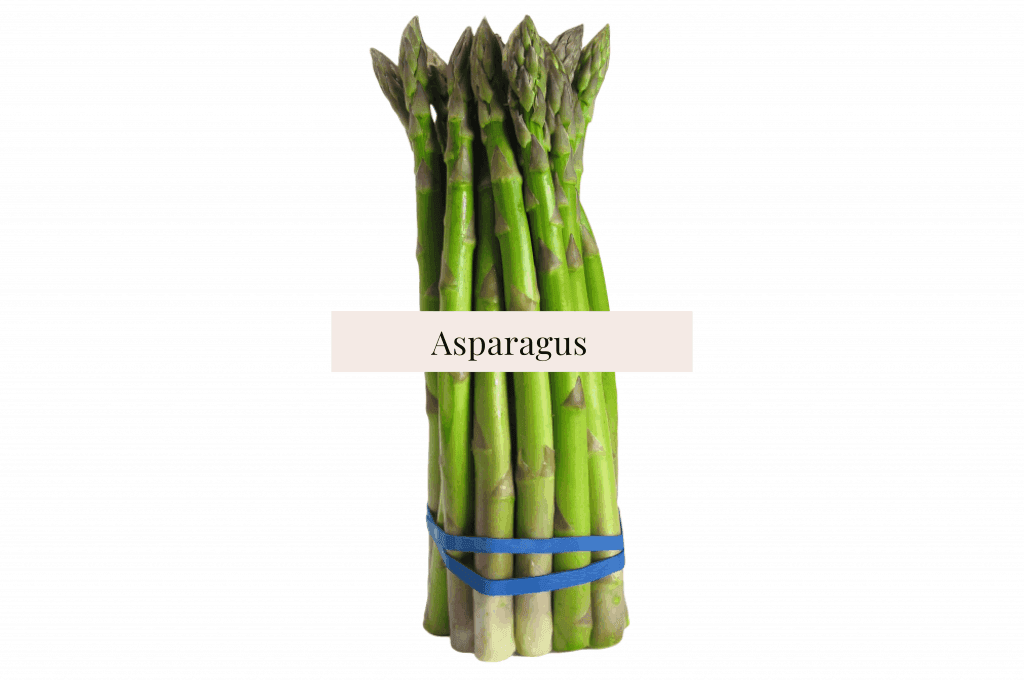
Asparagus is a good source of fibre and antioxidants. It’s especially high in insoluble fibre, which adds bulk to stool and encourages regular bowel movements. It also contains small amounts of soluble fibre that feeds friendly bacteria.
Eating asparagus as part of a diverse, fibre-rich diet supports a healthy digestive system.
Best for: Regular bowel movements, feeding beneficial bacteria ⚠️ FODMAP Warning: Asparagus contains fructans and is high-FODMAP. Limit to 1-2 spears if you have IBS or SIBO symptoms.
7. Seaweed
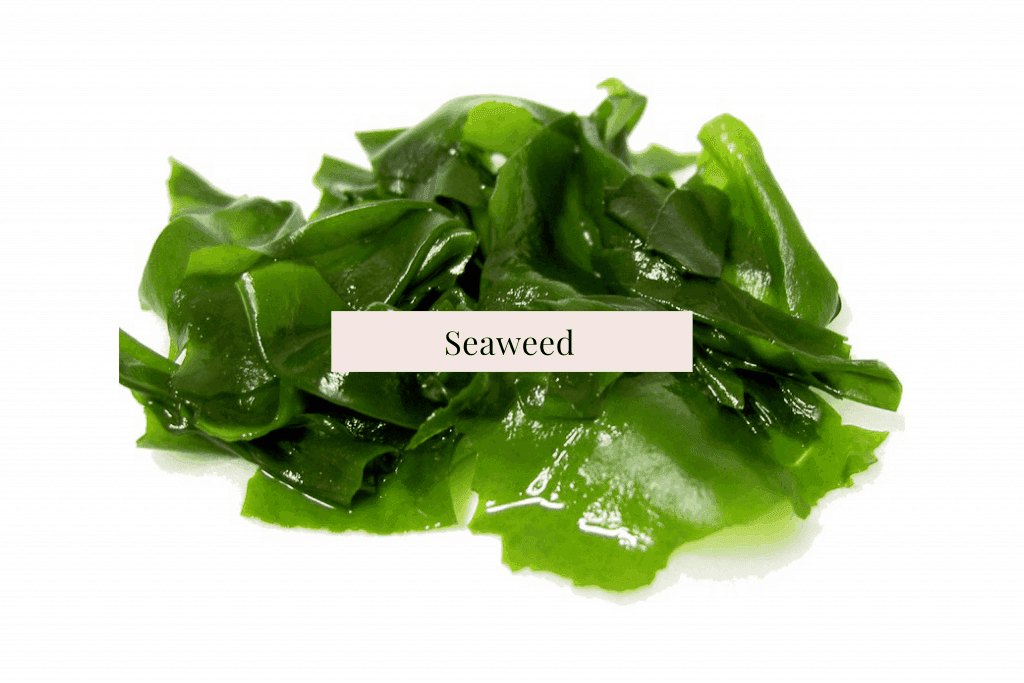
About 25-75% of seaweed’s dry weight comes from fibre—higher than most fruits and vegetables. Seaweed also contains sulfated polysaccharides, which have been found to increase the growth of friendly bacteria in the gut.
Best for: Increasing beneficial bacteria, mineral intake Generally well-tolerated across most gut conditions.
Probiotic & Fermented Foods
Fermented foods contain live beneficial bacteria that can colonise your gut and support digestive health. They’re powerful gut healers for many people—but not for everyone.
⚠️ Important Histamine Warning: Fermented foods are high in histamine. If you have histamine intolerance, these foods may trigger headaches, flushing, hives, nasal congestion, or digestive symptoms. Start with very small amounts or avoid until you’ve addressed the underlying gut imbalance causing histamine sensitivity.
8. Kefir
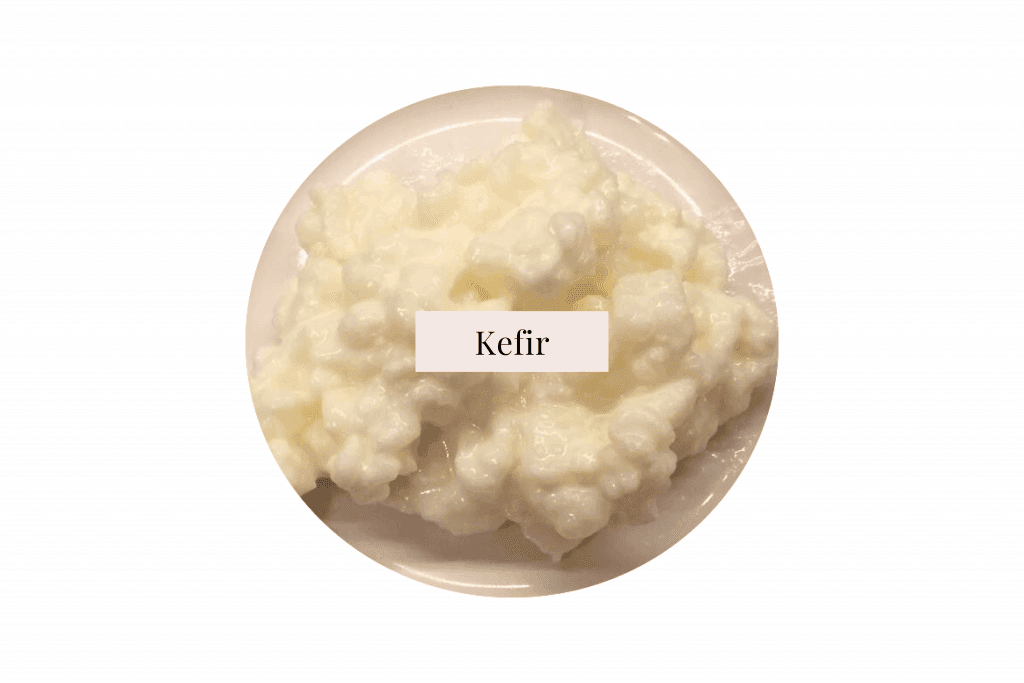
Kefir is a cultured and fermented dairy product made by adding kefir “grains” to milk. These grains contain a combination of yeasts, bacteria, and milk proteins.
In several studies, kefir has been linked to increased healthy bacteria and decreased harmful bacteria. Consuming kefir has also been associated with decreased inflammation in the gut.
Recipes to try:
Best for: Increasing beneficial bacteria, reducing gut inflammation ⚠️ Histamine Warning: Fermented dairy is high in histamine. Avoid if you have histamine intolerance. ⚠️ Dairy Warning: If you’re sensitive to dairy, try coconut or water kefir instead.
9. Sauerkraut & Kimchi
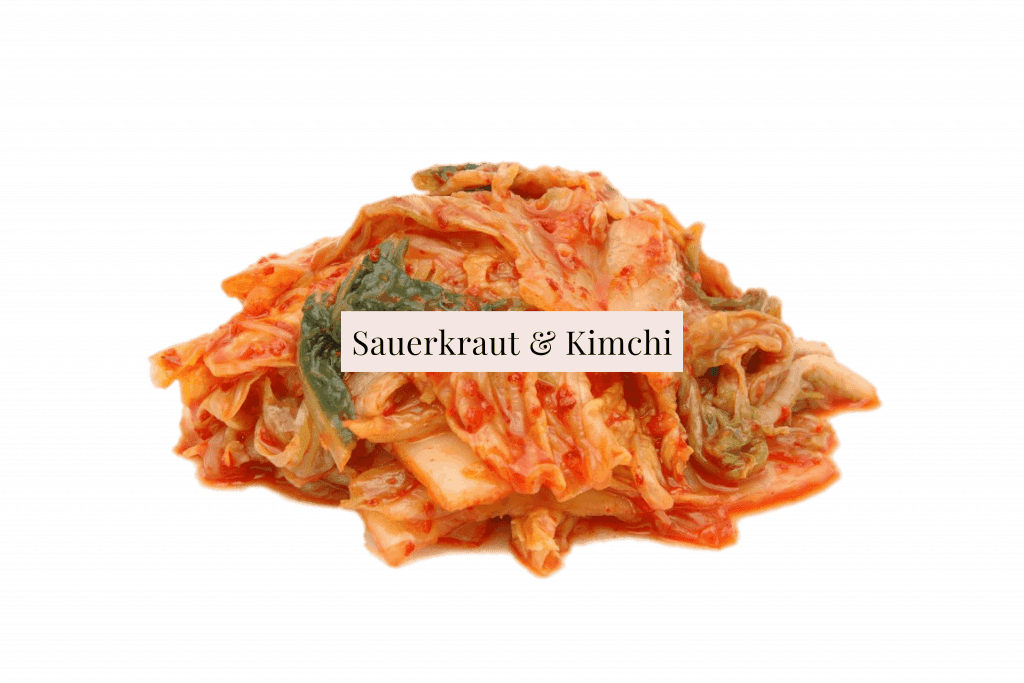
Sauerkraut and kimchi are fermented vegetables that provide probiotics, fibre, and vitamins. Kimchi contains Lactobacillus kimchii and other lactic acid bacteria that benefit digestive health.
Research shows that just half a cup of sauerkraut can deliver up to 28 unique bacterial strains. Sauerkraut is also a good source of vitamins B, C, and K.
Recipe to try: Quick and Easy Rainbow Kimchi
Best for: Introducing diverse beneficial bacteria ⚠️ Histamine Warning: Fermented vegetables are high in histamine. If you experience headaches, flushing, or worsening gut symptoms after eating fermented foods, you may have histamine intolerance and should avoid these until addressed. ⚠️ SIBO Warning: Some people with SIBO tolerate small amounts of fermented vegetables; others find they worsen symptoms. Introduce cautiously.
10. Kombucha
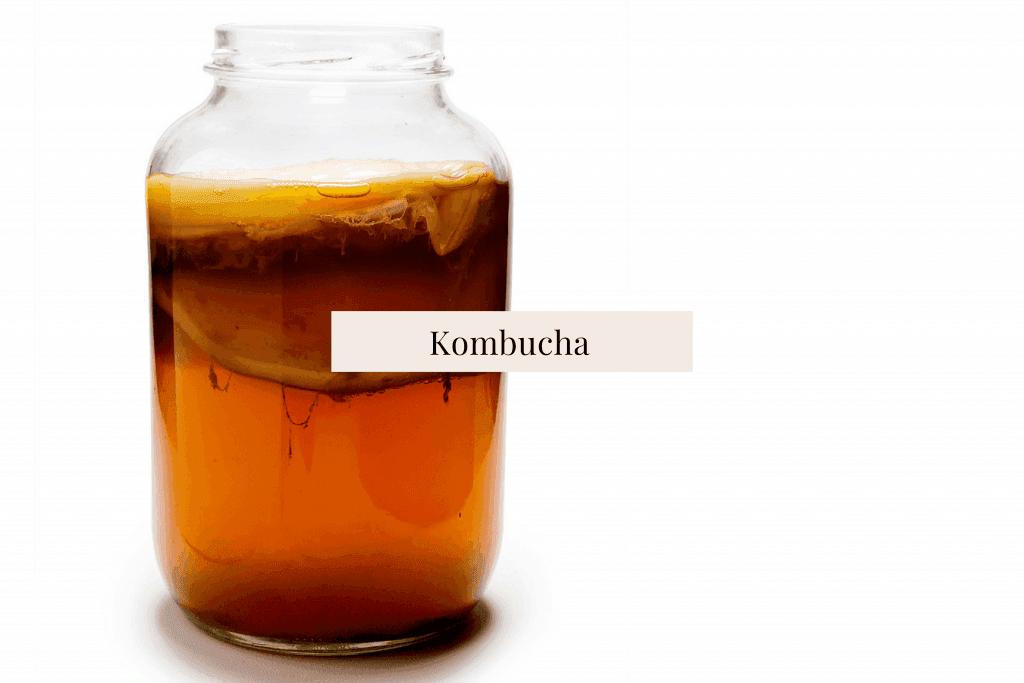
Kombucha is a fermented tea made by adding certain strains of bacteria and yeast to green or black tea. Its high probiotic content improves digestion and promotes gut health. Studies in mice have shown kombucha may contribute to healing stomach ulcers.
It’s important not to overdo it with kombucha. Start with small amounts (100ml) and increase gradually once your gut is in good working order.
Best for: Gentle probiotic introduction, gut healing ⚠️ Histamine Warning: Kombucha is fermented and contains histamine. Avoid if you have histamine intolerance. ⚠️ Sugar Warning: Some commercial kombuchas are high in sugar. Check labels and choose low-sugar options.
Resistant Starch Foods
Resistant starch passes through your small intestine undigested and feeds beneficial bacteria in your large intestine. It’s one of the most gut-supportive food categories and is generally well-tolerated even by people with SIBO (since it feeds bacteria in the right place—your colon, not your small intestine).
Learn more in our article: What Is Resistant Starch and Why You Should Care
11. Sweet Potato
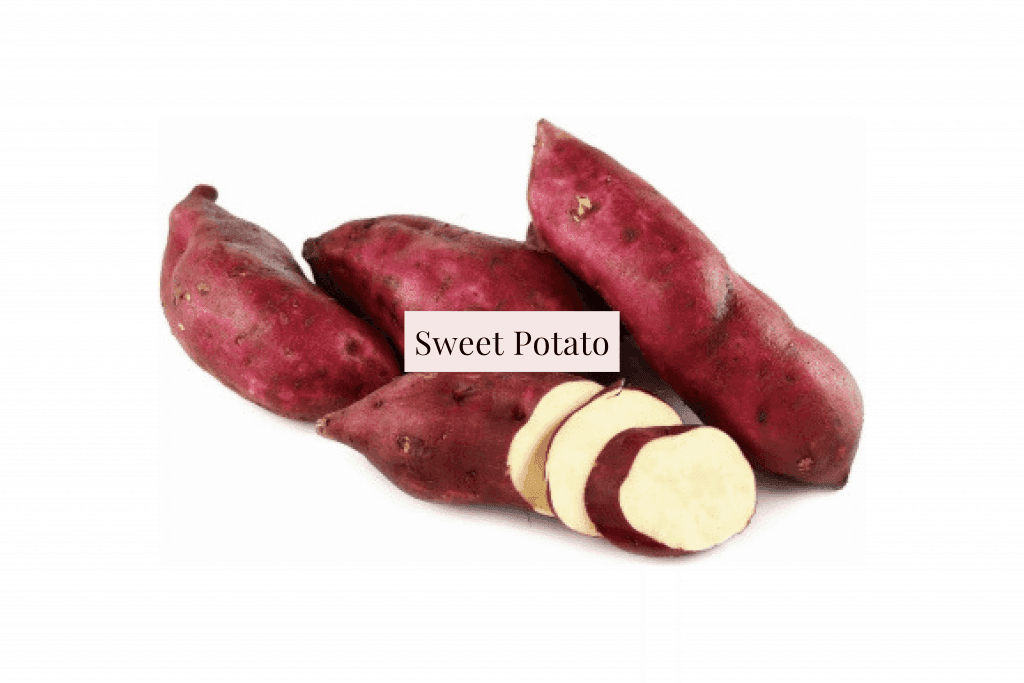
Sweet potato contains antioxidants and both insoluble and soluble fibre that benefit the gut. Studies have found that antioxidants in purple sweet potatoes encourage the growth of healthy bacteria like Bifidobacterium and Lactobacillus species.
Sweet potatoes are also a good source of resistant starch, which feeds friendly bacteria and increases the production of short-chain fatty acids.
Recipes to try:
Best for: Most gut conditions, feeding beneficial bacteria in the colon Generally well-tolerated across SIBO, IBS, and histamine intolerance.
12. Green Banana Flour
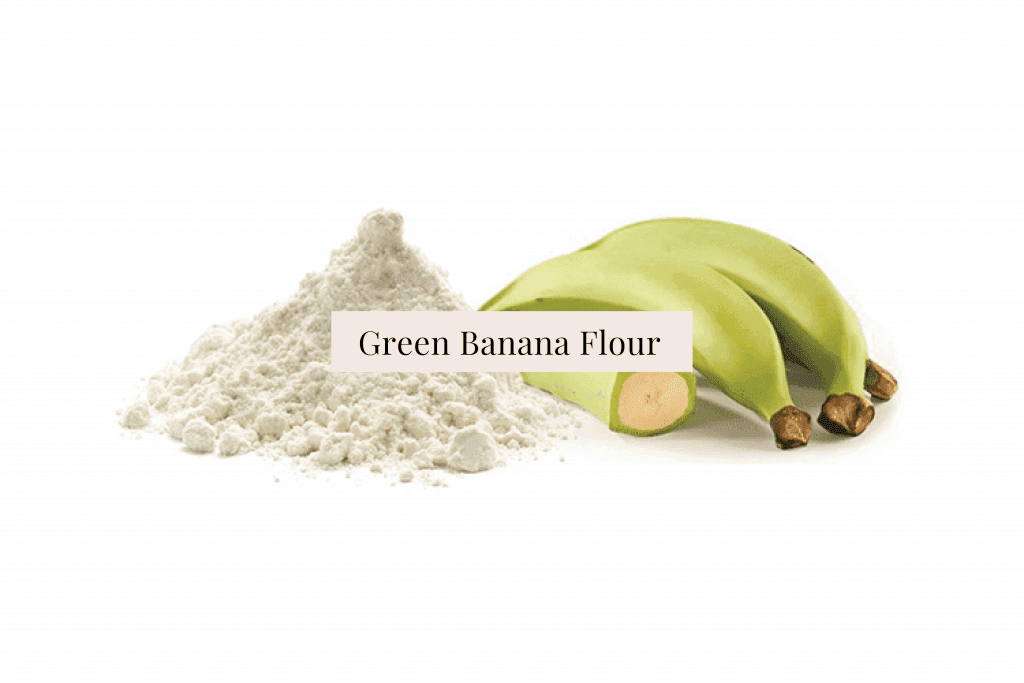
Green banana flour has a texture similar to lighter wheat flours with a mild banana taste when raw. It’s an excellent source of resistant starch, which feeds friendly bacteria and encourages the formation of short-chain fatty acids.
When you eat resistant starch, it reaches your large intestine where bacteria digest it and turn it into short-chain fatty acids. The most important is butyrate, which fuels the cells lining your colon.
Best for: Gut healing, feeding beneficial bacteria, gluten-free baking Generally well-tolerated across most gut conditions.
13. Cassava Flour
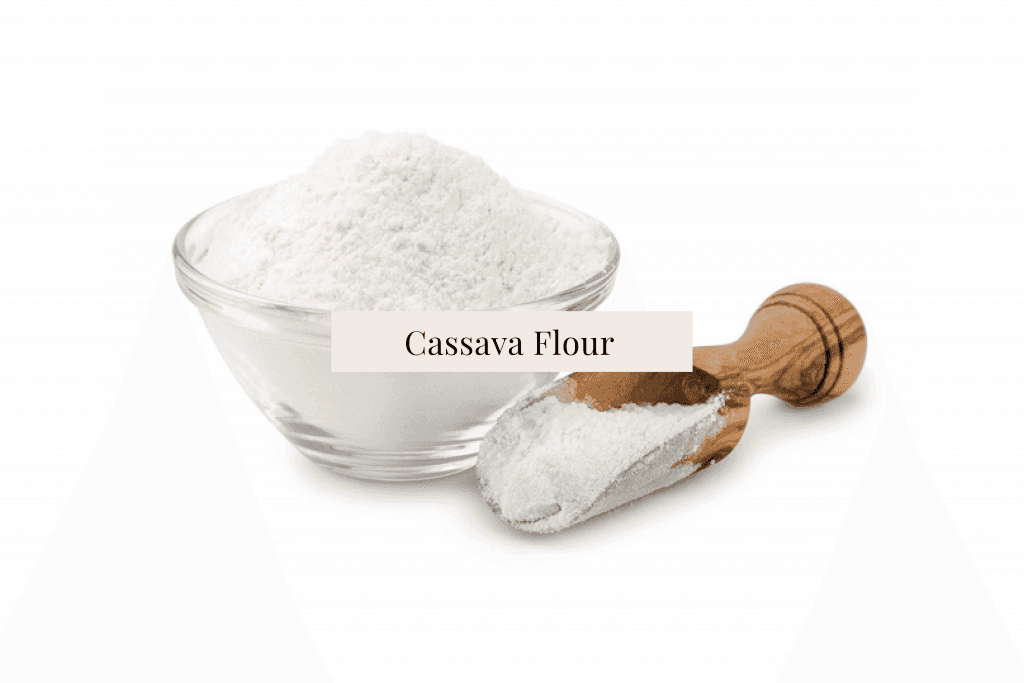
Cassava is a root vegetable, and its flour is a whole food that retains all its fibre content. It’s high in resistant starch, which promotes good bacteria and supports a healthy gut.
Recipes to try:
Best for: Gluten-free baking, resistant starch intake Generally well-tolerated across most gut conditions.
Fibre-Rich Foods
Fibre is essential for gut health—it feeds beneficial bacteria, supports regular bowel movements, and helps maintain gut barrier integrity. However, if your gut is severely compromised, increasing fibre too quickly can temporarily worsen symptoms.
14. Dark Green Vegetables
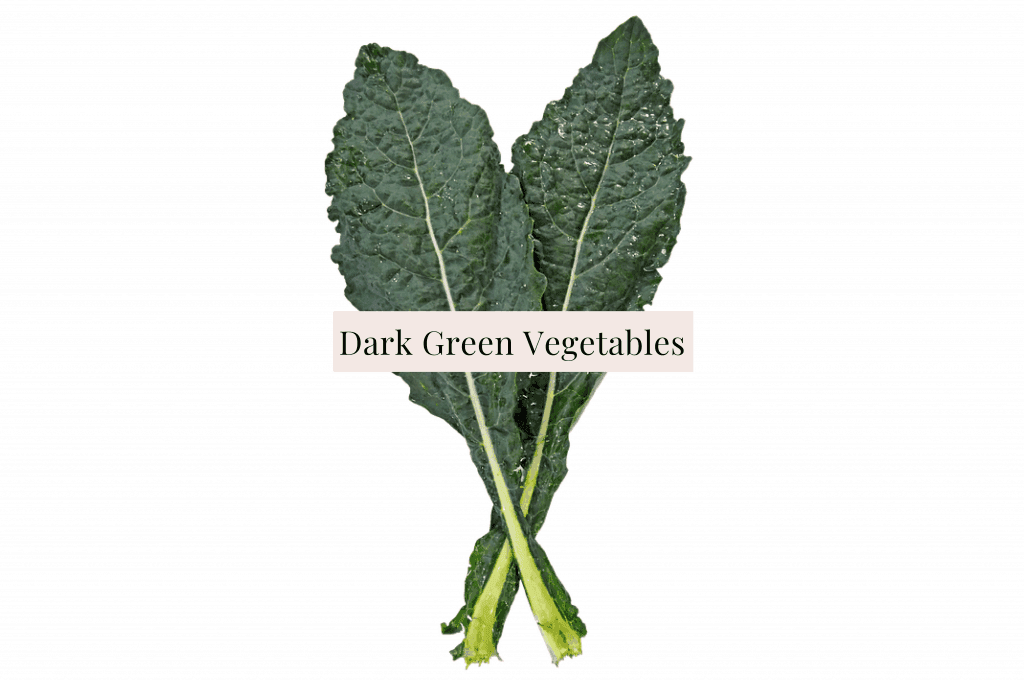
Dark green vegetables are a fantastic source of insoluble fibre. This type of fibre adds bulk to stool and helps speed up the digestive system.
Research has found that sulforaphane, a compound in Brussels sprouts, may help prevent the overgrowth of Helicobacter pylori. Green vegetables are also an excellent source of magnesium, which can help relieve constipation by improving muscle contractions in your gastrointestinal tract.
One study found that a specific sugar in dark green vegetables feeds good bacteria while impeding harmful bacteria.
Dark green vegetables to include:
Kale
Spinach
Dandelion Greens
Broccoli
Brussels Sprouts
Recipes to try:
Best for: Regular bowel movements, feeding beneficial bacteria Generally well-tolerated across most gut conditions. Start slowly if you’re not used to high-fibre foods.
15. Chia Seeds
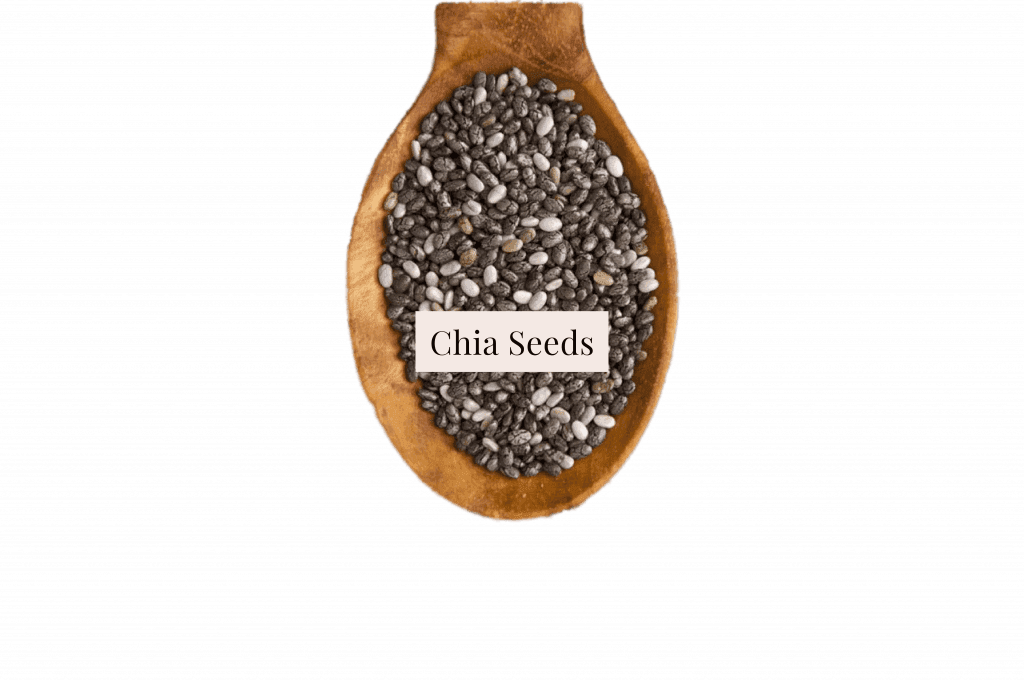
Chia seeds are a good source of fibre and aid digestion. They work similarly to a prebiotic, encouraging the growth of good bacteria and assisting with healthy digestion. The high fibre content promotes regular bowel movements.
Learn more: 9 Proven Benefits of Chia Seeds
Recipes to try:
Best for: Regular bowel movements, gentle prebiotic support Generally well-tolerated across most gut conditions.
16. Flaxseeds
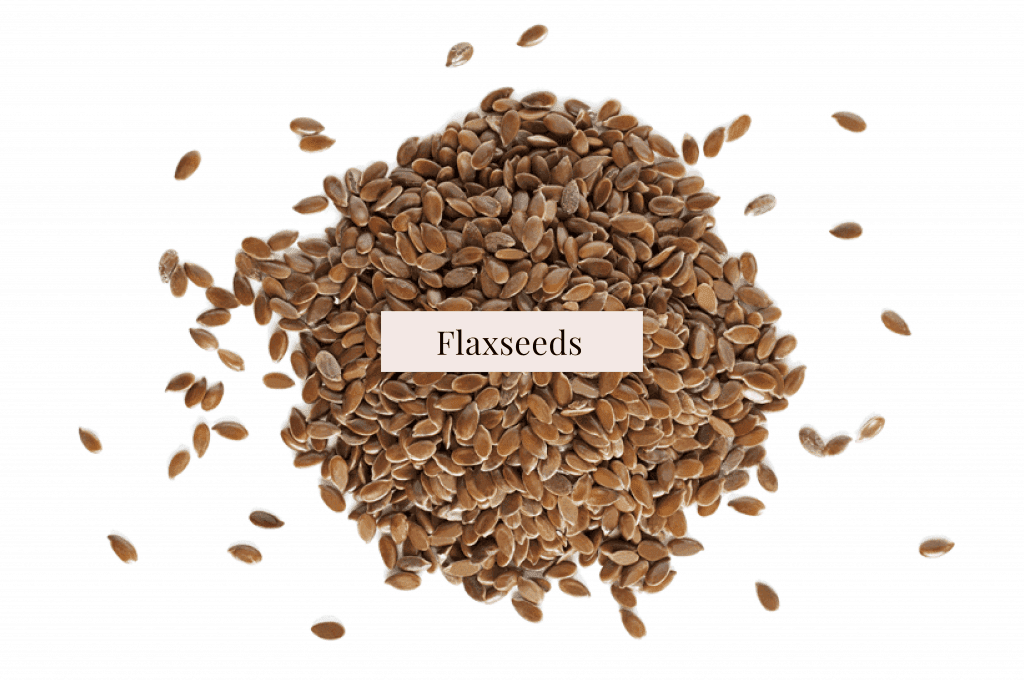
Flaxseeds are rich in antioxidants, calcium, magnesium, and fibre. They contain lignans—fibre-related polyphenols with antiviral and antibacterial properties.
Studies have found that polyphenols support the growth of probiotics in the gut and may help eliminate candida and yeast from the body.
Best for: Antioxidant intake, supporting beneficial bacteria, potential antifungal support Generally well-tolerated across most gut conditions.
17. Hemp Seeds
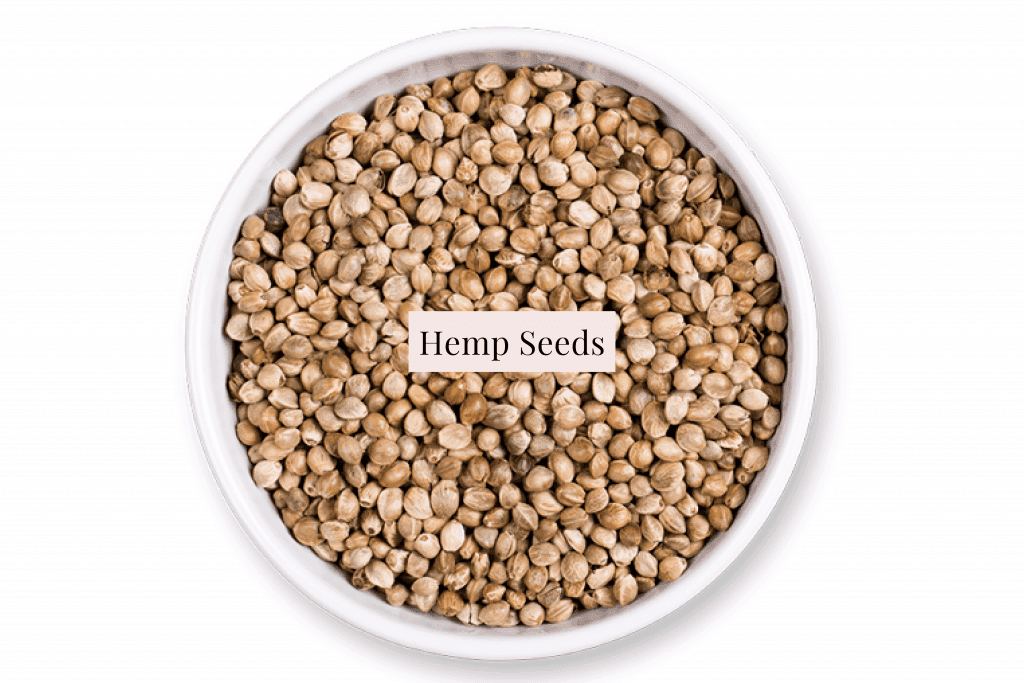
Hemp seeds are nutritious and a good source of healthy fats, minerals, fibre, and proteins. Whole hemp seeds contain both insoluble and soluble fibre, benefiting digestive health.
Note: De-hulled or shelled hemp seeds have very little fibre as most lies in the shell. Choose whole hemp seeds for gut health benefits.
Best for: Balanced nutrition, fibre intake Generally well-tolerated across most gut conditions.
Gut-Healing Foods
These foods specifically support gut barrier repair and are particularly important if you’re dealing with leaky gut or intestinal inflammation.
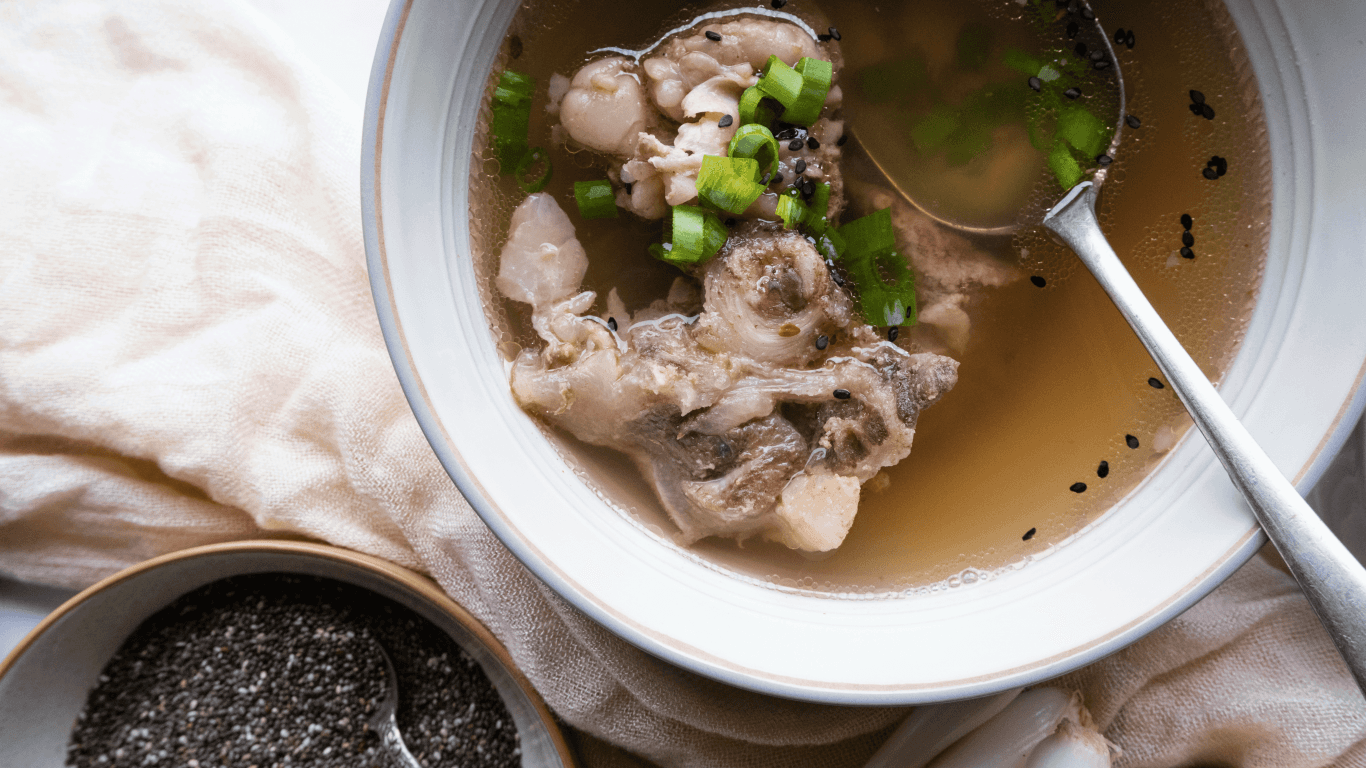
18. Bone Broth
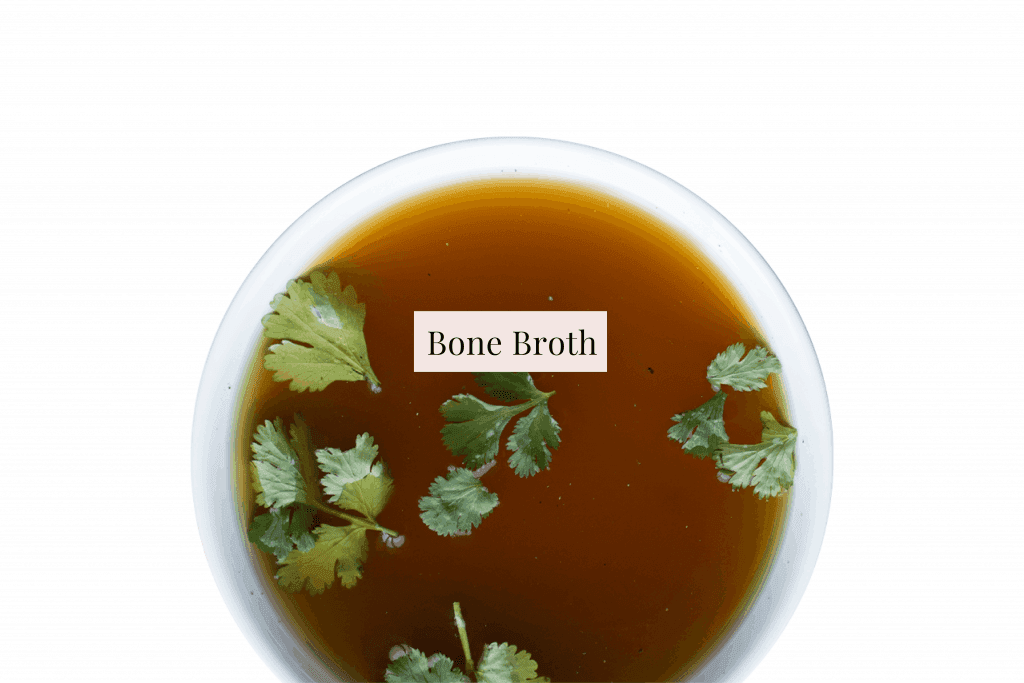
Bone broth is made by cooking the connective tissues and bones of animals. It’s packed with gelatin and amino acids including glycine, glutamine, and proline.
These amino acids help build fluid in your digestive tract so food can pass more easily. Proline helps your body metabolise food and synthesise proteins.
Glutamine has been found to improve leaky gut by protecting the intestinal wall. Consuming bone broth is a simple yet effective way to boost your digestive system while protecting your gut.
Recipe to try: Gut Healing Bone Broth
Best for: Gut barrier repair, leaky gut, overall gut healing Generally well-tolerated across most gut conditions—one of the safest gut-healing foods.
19. Gelatin
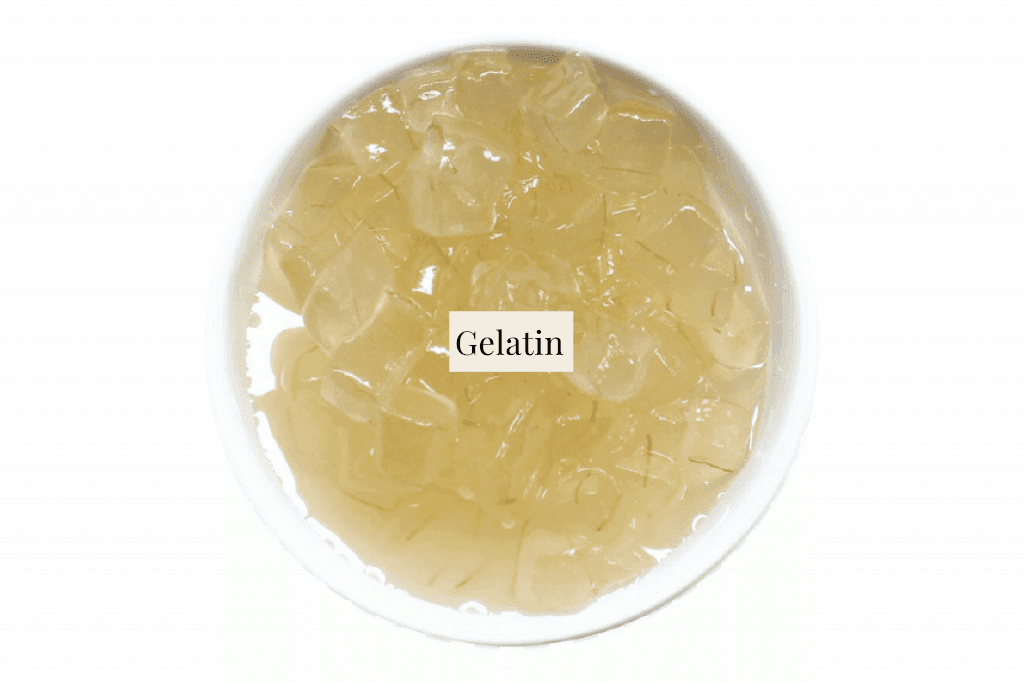
Gelatin is derived from collagen and plays an important role in gut health. One study showed that gelatin helped protect the gut wall from damage.
Gelatin contains several amino acids that are the building blocks for proteins essential for organ function and energy production.
Best for: Gut barrier protection, supporting gut lining repair Generally well-tolerated across most gut conditions.
20. Coconut Oil
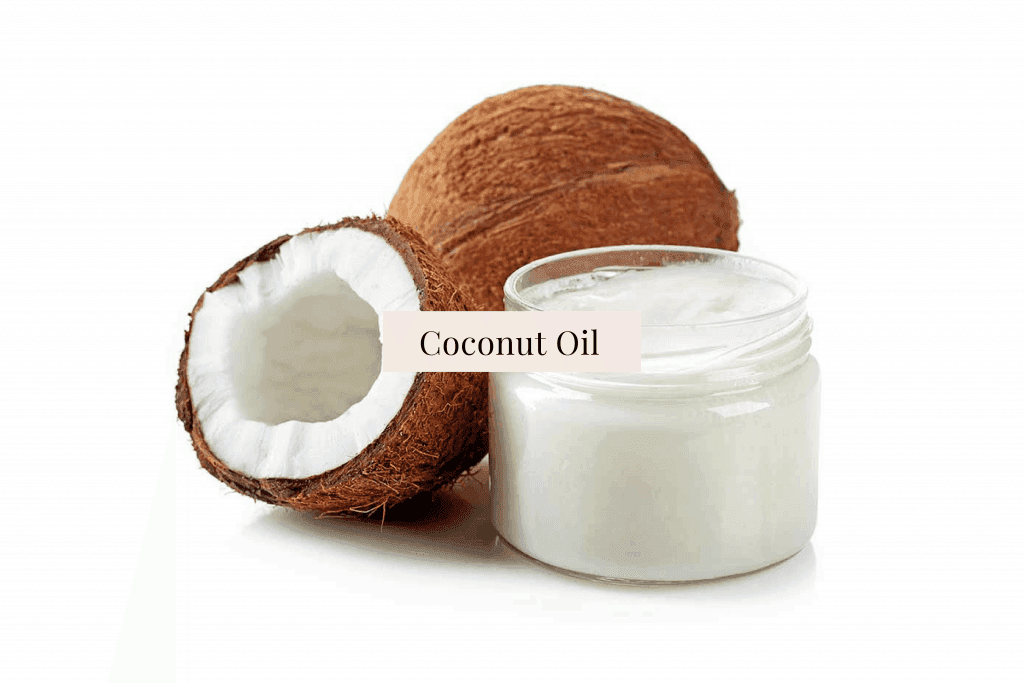
Coconut oil aids digestion and supports gut health. It’s easily digested, making it simple for your body to use. Coconut oil helps the body absorb fat-soluble vitamins, calcium, and magnesium.
It contains lauric acid, which has been found to kill harmful pathogens like viruses, bacteria, and fungi.
Best for: Easy-to-digest fat, antimicrobial support Generally well-tolerated across most gut conditions.
Anti-Inflammatory Foods
Inflammation in the gut is a driver of many digestive conditions. These foods help reduce inflammation and support healing.
21. Wild Salmon
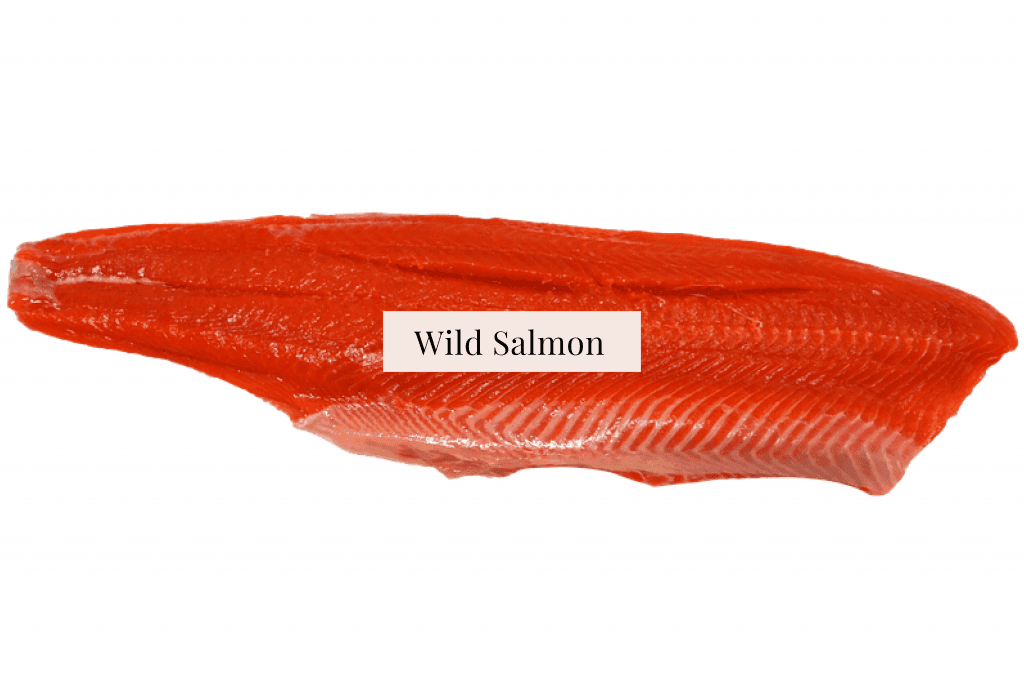
Wild salmon is rich in omega-3 fatty acids that help reduce inflammation in the body. People with inflammatory bowel disease or other digestive problems often have gut inflammation. Omega-3 fatty acids may help lower inflammation and improve overall digestion.
Best for: Reducing gut inflammation, IBD support Generally well-tolerated across most gut conditions.
22. Ginger
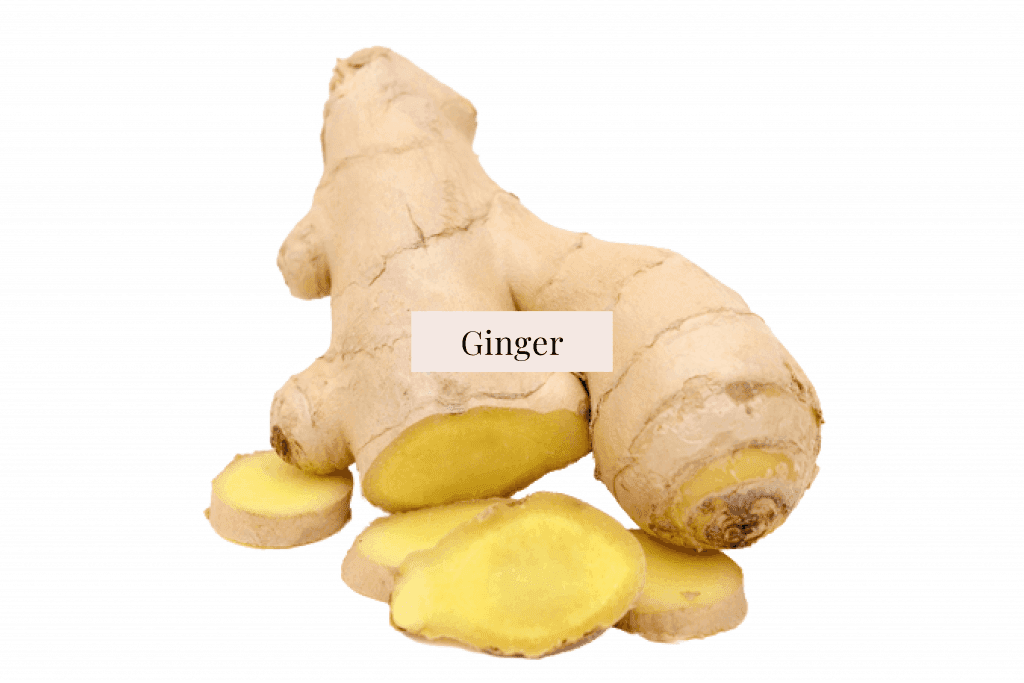
Ginger has long been used in traditional Eastern medicine to treat nausea and improve digestion. It’s been shown to accelerate gastric emptying—the time it takes for food to leave the stomach and enter the small intestine.
By moving food through the digestive system more efficiently, ginger helps reduce symptoms of slow digestion such as heartburn and stomach discomfort.
Best for: Nausea relief, improving gastric motility, reducing heartburn Generally well-tolerated across most gut conditions. May be particularly helpful for gastroparesis or slow motility.
23. Grass-Fed/Free-Range Meats
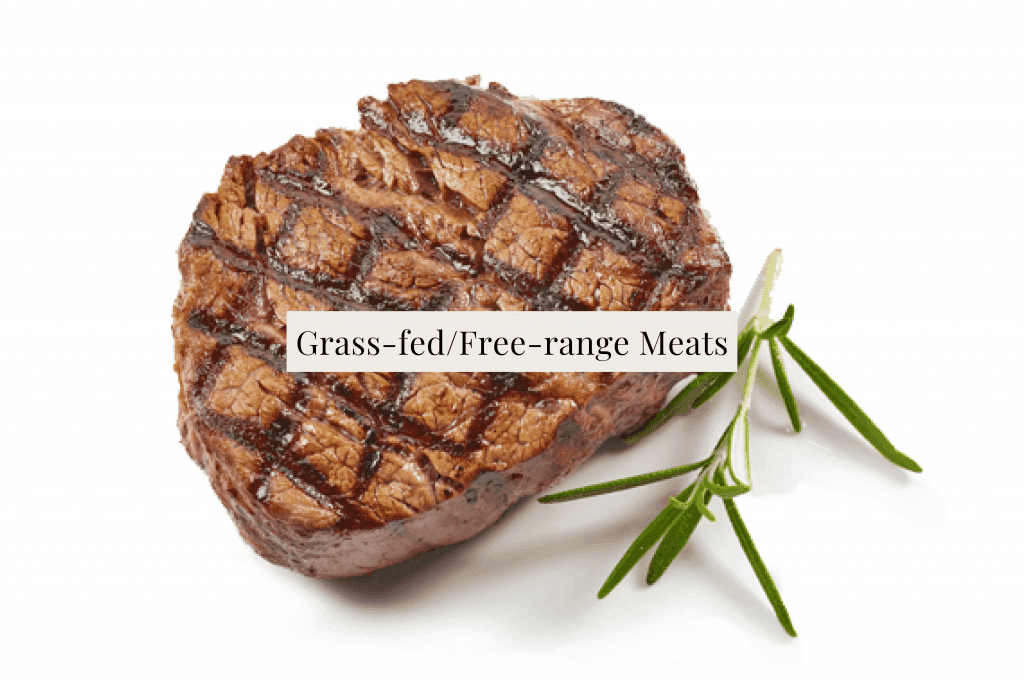
Grass-fed meats are a great source of healthy fats and vitamins, contain no GMOs, and have fewer pesticide residues. Some people with food sensitivities to corn and soy find that grain-fed meats trigger symptoms like bloating or heartburn.
Grass-fed meats can be easier to digest and are more likely to be free from antibiotics and hormones.
Recipes to try:
Healthy Grass-fed Beef Tacos with Pico de Gallo (Grain Free)
Asian Marinated Steak and Zucchini Noodles (Keto & AIP Friendly)
Best for: Clean protein source, avoiding antibiotic residues Generally well-tolerated across most gut conditions.
Digestive Support Foods
These foods contain natural enzymes and compounds that support the digestive process.
24. Papaya
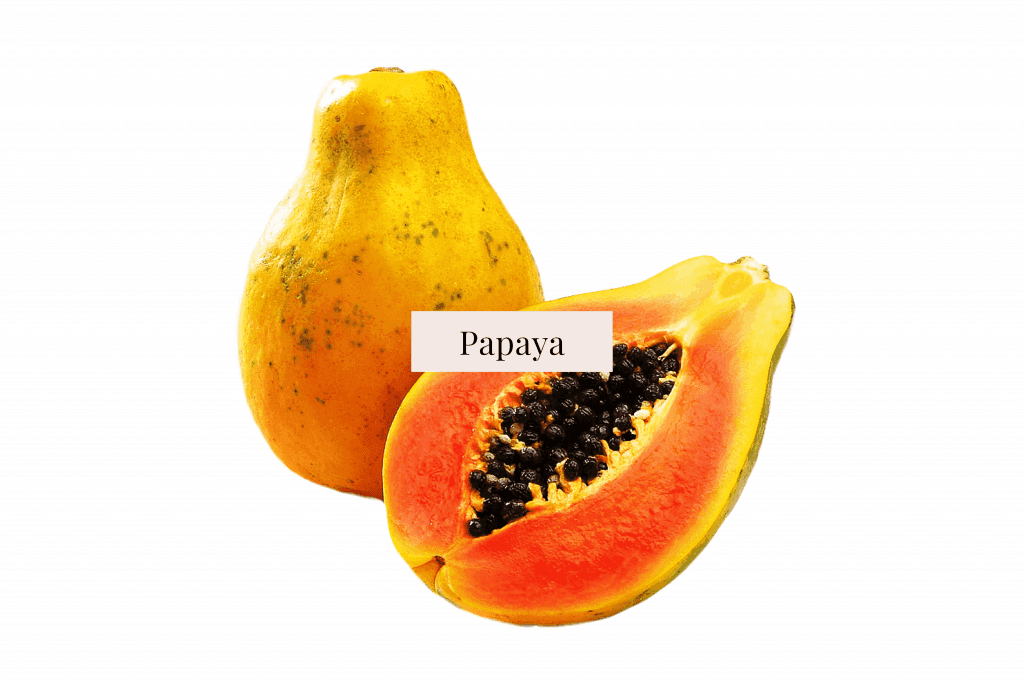
Papaya contains a digestive enzyme called papain. Papain assists digestion by helping to break down protein fibres. The enzyme contributes to a healthy digestive tract and may ease IBS symptoms like bloating and constipation according to research.
Best for: Protein digestion, reducing bloating Generally well-tolerated across most gut conditions.
25. Mango
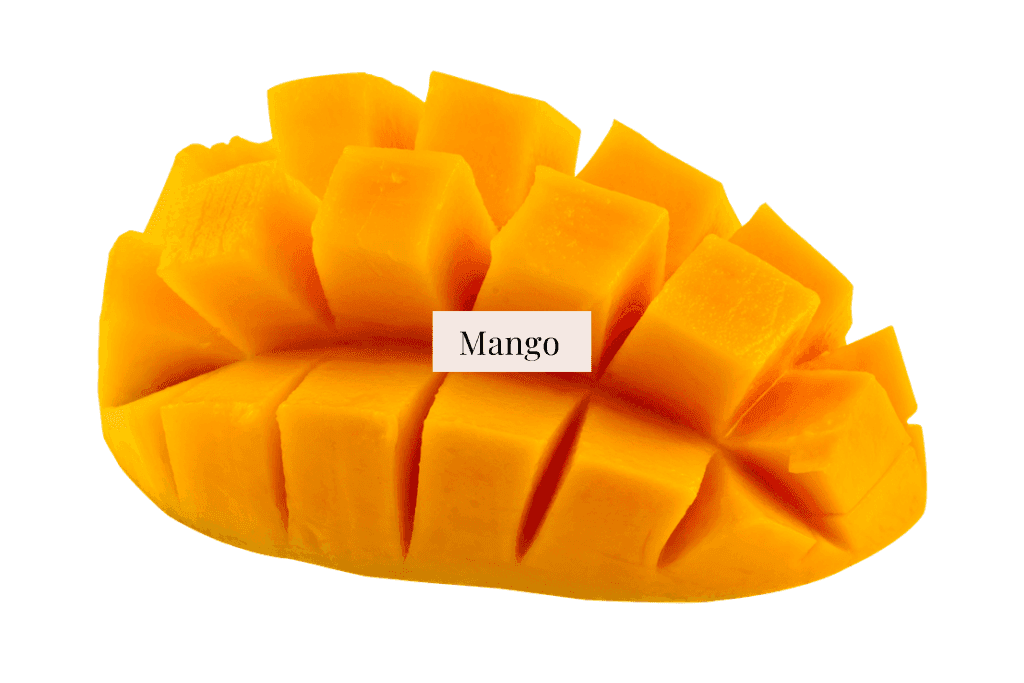
Mangoes are a good source of fibre. Fresh-frozen mango has been shown to be more helpful in relieving chronic constipation compared to commonly given fibre treatments. Those given the fruit reported less severe symptoms and improved biomarkers of inflammation.
Mangoes also support Akkermansia muciniphila—a beneficial bacteria that promotes healthy metabolism and helps your body deal with harmful microorganisms.
Best for: Constipation relief, feeding Akkermansia ⚠️ FODMAP Warning: Mangoes are moderate-to-high FODMAP depending on portion size. Limit to ½ cup if you have IBS or SIBO symptoms.
🔬 Eating Well But Still Have Symptoms?
If you’ve tried gut-healthy foods and still struggle with │ │ bloating, fatigue, or digestive issues, the problem may be which bacteria you’re feeding—not whether you’re eating well. Comprehensive microbiome testing identifies exactly what’s happening in your gut.
Watch How Testing Works (2 min)

Book Your Free Evaluation Call

7 Worst Foods for Gut Health
To get the most out of your gut, eating the right foods isn’t enough. You also need to limit or avoid foods that disrupt your microbiome.
1. Gluten
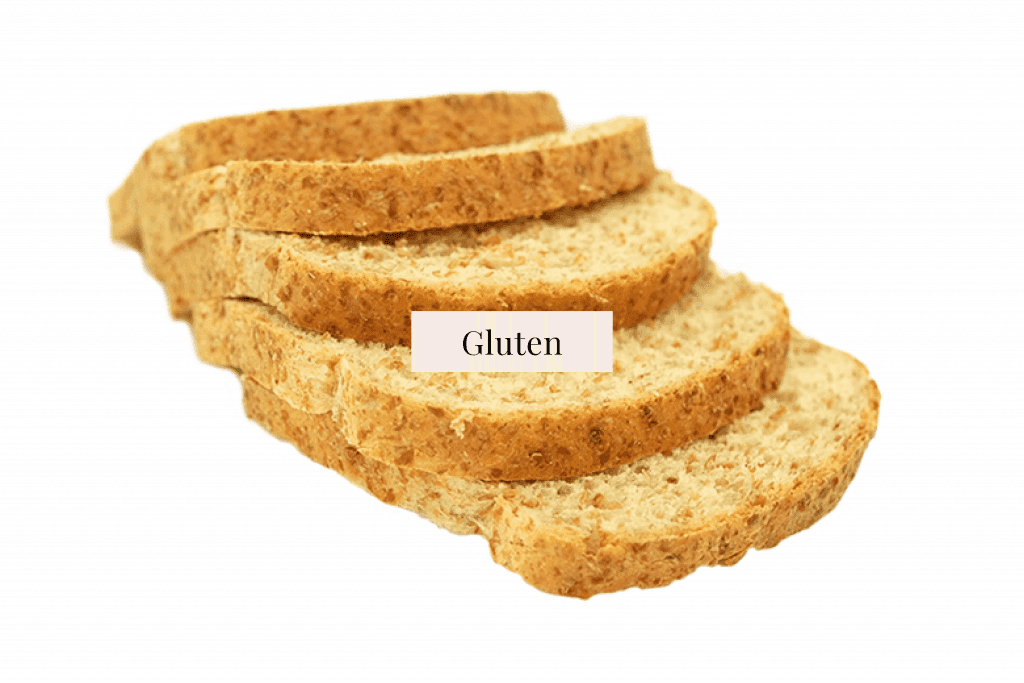
While many people are sensitive or allergic to gluten and must avoid it completely, research has shown that even if you’re not gluten-sensitive, it may not be ideal for gut healing. Gluten can have significant effects on gut bacteria, which can affect your overall health.
Learn more: How to Improve Gut Health (section on wheat and gut health)
2. Dairy

When it comes to dairy, some people are more sensitive than others. There are different types of dairy, and some may be fine for one person but problematic for another.
Research has shown that a diet rich in dairy can significantly impact your gut microbiome. It only takes a few days of increased dairy intake for changes in your gut to occur.
3. GMO Foods
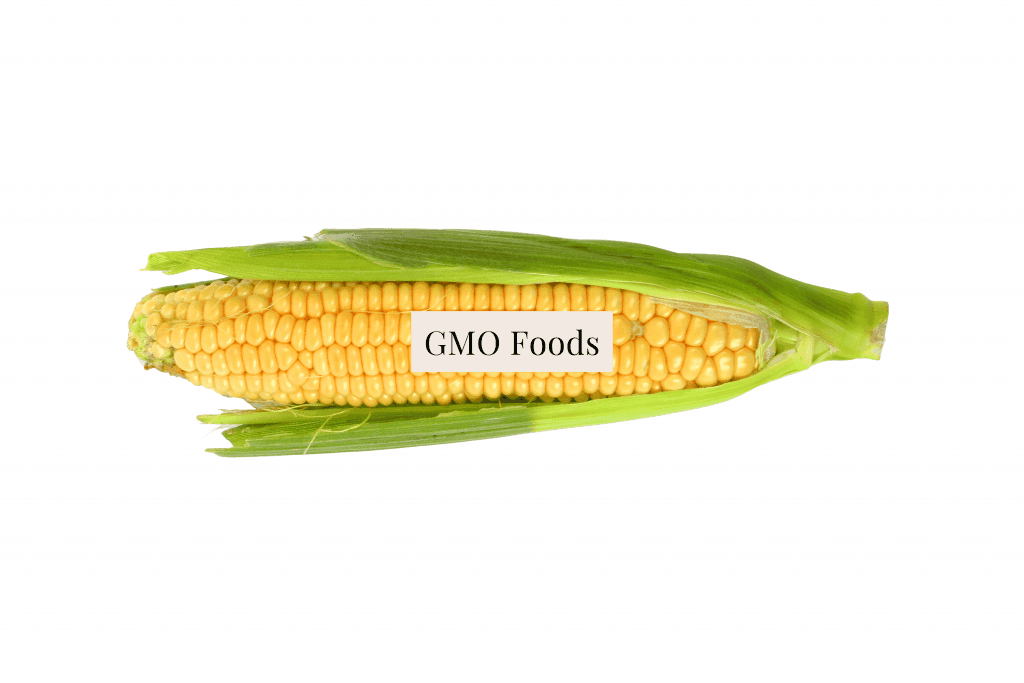
Genetically modified foods such as corn, wheat, and soy are found in many products. GMO soy and corn have been made tolerant to the pesticide Roundup, meaning they’re heavily sprayed.
Studies have found that glyphosate (the active ingredient in Roundup) could lead to microbial imbalance or gut dysbiosis and potentially leaky gut.
4. Nightshade Vegetables
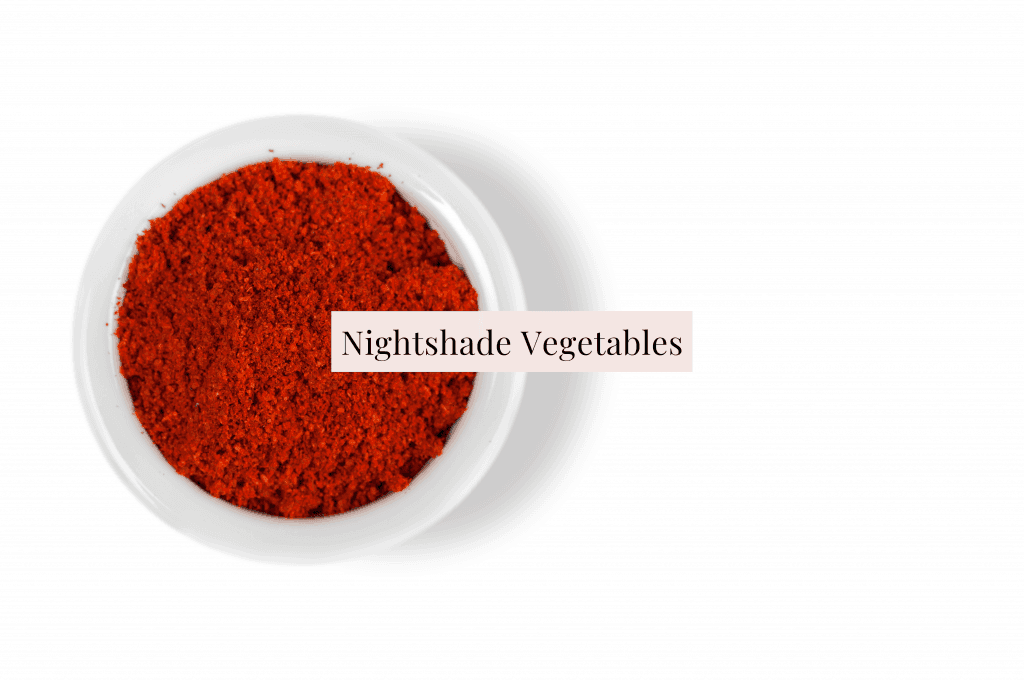
Whether you need to avoid nightshade vegetables depends on your individual sensitivity. Some people are much more reactive to nightshades and should avoid them.
Common nightshades include chilis, eggplant, tomatoes, and paprika. These may cause problems for some people but be absolutely fine for others.
5. Processed Foods
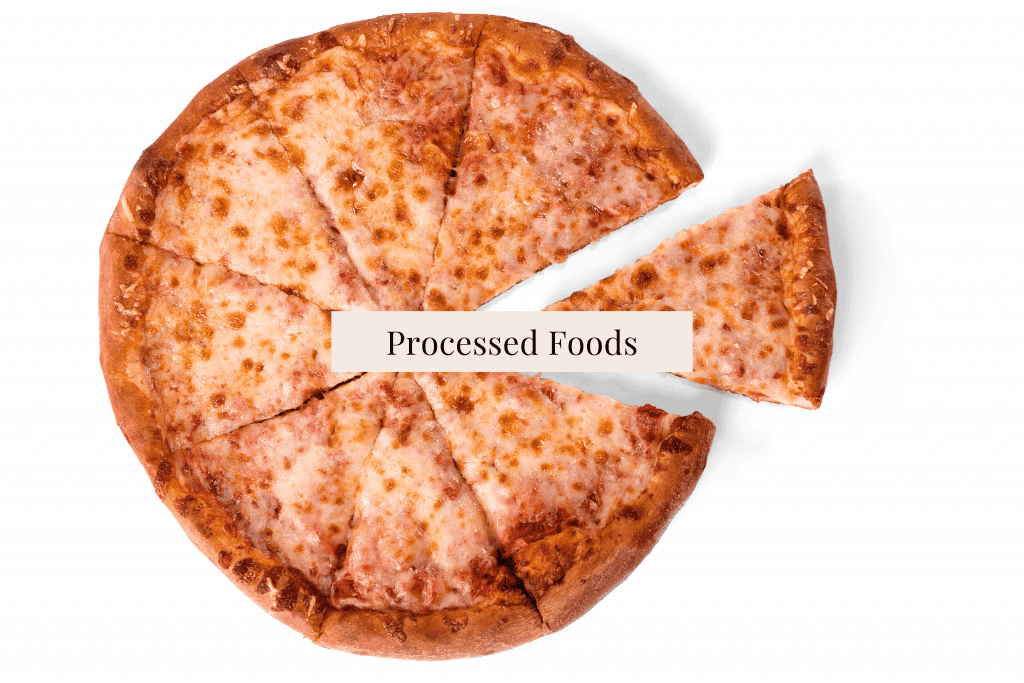
Heavily processed foods break down into components that feed less friendly bacteria in your gut and offer numerous negative health effects.
By eating lots of processed foods, you reduce the diversity of bacteria in your gut. This matters because the more diverse your gut bacteria, the better your health is likely to be.
6. Sugar & Artificial Sweeteners
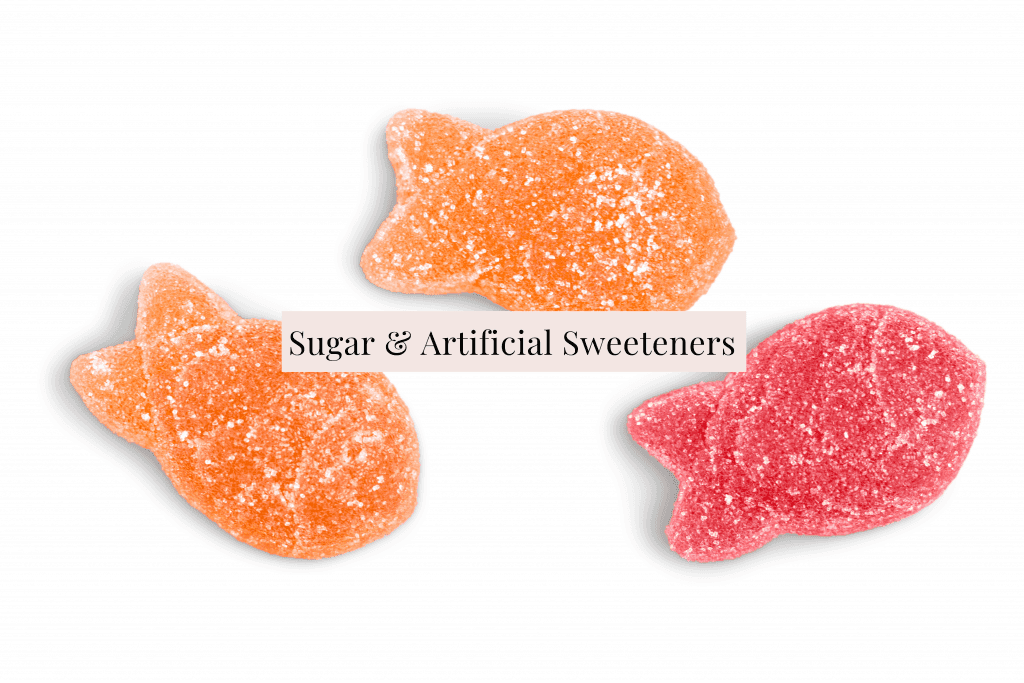
Sugar—including high fructose corn syrup, white sugar, and brown sugar—feeds harmful bacteria in your gut. Unlike prebiotics that break down to feed good bacteria, sugar feeds the unfavourable bacteria.
The more sugar or artificial sweeteners you eat, the more harmful bacteria can grow and crowd out beneficial bacteria, leading to various health problems.
7. Vegetable Oils
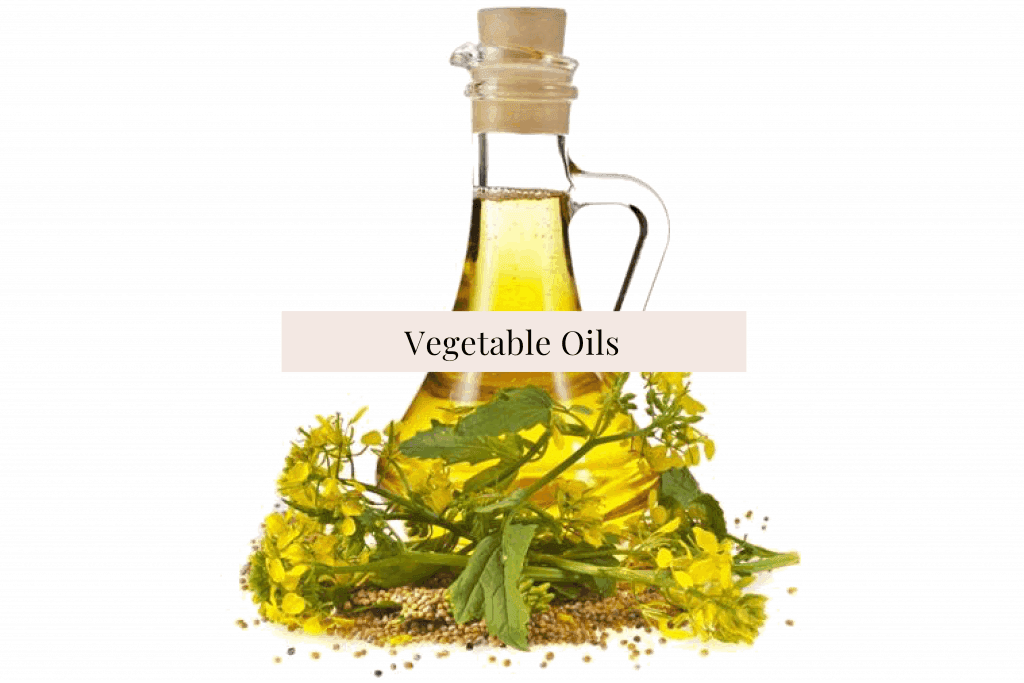
Vegetable oils are high in linoleic acid and other easily oxidised omega-6 fatty acids. A balanced ratio of omega-6 to omega-3 is essential to good health. Evidence suggests that omega-3 can influence the gut-brain axis by affecting the gut microbiome.
Unlike coconut oil or olive oil, vegetable oils have been extracted and processed in unnatural ways. They contain high levels of polyunsaturated fats that are highly unstable and oxidise easily.
How to Know Which Foods Work for You
If you’ve read this far, you’ve probably noticed a pattern: many “gut-healthy” foods come with warnings for specific conditions. Fermented foods can trigger histamine reactions. Prebiotic foods can worsen SIBO. High-fibre foods can increase bloating if your gut isn’t ready.
This is the challenge with generic gut health advice. The foods that heal one person’s gut can aggravate another’s.
So how do you know which foods are right for you?
Option 1: Trial and Error
You can systematically eliminate and reintroduce foods, tracking your symptoms over weeks or months. This works for some people, but it’s slow, frustrating, and easy to misinterpret. A reaction might be from what you ate yesterday, not today. And you might eliminate foods unnecessarily while missing the actual problem.
Option 2: Comprehensive Gut Testing
Microbiome testing shows you exactly which bacteria, fungi, and other organisms are living in your gut—and in what proportions. This tells you:
Whether you have bacterial overgrowth that would make prebiotic foods problematic
Whether you have elevated histamine-producing bacteria that explain your reactions to fermented foods
Which beneficial bacteria are depleted (so you know specifically what to feed)
Whether fungal overgrowth, parasites, or other issues are contributing to your symptoms
Instead of guessing which foods might help, you can see exactly what your gut needs.
The Bottom Line
Eating a diverse range of whole foods, fermented foods, and prebiotic fibres is excellent advice for people with healthy or mildly imbalanced guts. But if you’ve been “eating well” for months and still have symptoms, the answer isn’t to try harder—it’s to find out what’s actually happening in your gut so you can choose the right foods for your specific situation.
📋 Not Sure What Your Gut Needs?
Comprehensive microbiome testing identifies exactly which bacteria are overgrown, which are depleted, and what’s driving your symptoms—so you can choose foods that actually work for your gut.
Book Your Free Evaluation Call
What is the best food for gut health?
There's no single "best" food—what works depends on your individual gut microbiome. That said, foods that are generally well-tolerated across most gut conditions include bone broth (supports gut barrier repair), resistant starch foods like sweet potato and green banana flour (feed beneficial bacteria in the colon), wild salmon (reduces inflammation), and dark green vegetables (provide fibre and beneficial compounds). If you have specific conditions like SIBO or histamine intolerance, some commonly recommended gut foods may actually worsen your symptoms.
How long does it take for food to improve gut health?
Research shows measurable changes in gut bacteria can occur within 2-3 weeks of dietary changes. Most people notice symptom improvements within 4-8 weeks of consistently eating gut-supportive foods and avoiding gut disruptors. However, if you have significant dysbiosis, SIBO, or other gut imbalances, dietary changes alone may not be enough—you may need to address the underlying imbalance first before gut-healthy foods can do their job.
Are fermented foods good for everyone?
No. While fermented foods like sauerkraut, kimchi, kefir, and kombucha are excellent for many people, they're high in histamine and can trigger significant symptoms in people with histamine intolerance. Symptoms might include headaches, flushing, hives, nasal congestion, or worsening digestive issues. If fermented foods make you feel worse, it's worth investigating whether histamine-producing bacteria in your gut are part of the problem.
Can I eat garlic and onion if I have IBS or SIBO?
Garlic and onion are excellent prebiotics for people with healthy guts, but they're high in fructans (a type of FODMAP) and often worsen symptoms in people with IBS or SIBO. If you experience significant bloating, gas, or abdominal pain after eating these foods, consider avoiding them until your gut has healed. Garlic-infused oil and the green tops of spring onions are low-FODMAP alternatives that provide flavour without the fructans.
What foods should I avoid for gut healing?
The most important foods to avoid include processed foods (reduce bacterial diversity), sugar and artificial sweeteners (feed harmful bacteria), vegetable oils (promote inflammation), and excessive alcohol. Beyond that, individual sensitivities matter: gluten and dairy are problematic for many people with gut issues, and high-FODMAP foods may need to be limited if you have SIBO or IBS. Nightshade vegetables bother some people but not others.
Why do healthy foods sometimes make my gut symptoms worse?
This is common and usually means one of three things: (1) you have SIBO or bacterial overgrowth, and prebiotic foods are feeding bacteria in the wrong location; (2) you have histamine intolerance, and fermented or aged foods are triggering reactions; or (3) your gut is inflamed and not ready for high-fibre foods yet. If "healthy" foods consistently make you feel worse, it's a sign that something else is going on that needs to be addressed before those foods will help.
Should I take probiotics or eat probiotic foods?
Both can be beneficial, but they work differently. Probiotic foods (fermented vegetables, kefir, yogurt) provide diverse bacterial strains plus additional nutrients and fibre. Probiotic supplements provide specific strains in higher concentrations. For general gut maintenance, probiotic foods are often sufficient. For targeted therapeutic purposes—or if you can't tolerate fermented foods due to histamine sensitivity—specific probiotic supplements may be more appropriate. Learn more about specific strains: Bifidobacterium Longum and Lactobacillus Reuteri.
How do I know if I need gut testing instead of just changing my diet?
Consider testing if: you've been eating well for months but still have symptoms; you react to foods that are supposed to be "gut-healthy"; your symptoms are severe enough to impact your daily life; you've tried multiple dietary approaches without lasting improvement; or you have symptoms beyond digestion (skin issues, fatigue, mood problems, brain fog). Testing shows you exactly what's happening in your gut so you can address the root cause rather than guessing.