Bifidobacterium Longum: Benefits, How to Increase & Why It Matters
One of the most important probiotic bacteria in your gut - B. longum supports immunity, reduces inflammation, and helps degrade histamine. Here's how this powerful species protects your health.

Author:
Amanda Ledwith, BHSc Naturopathy
Last Updated:
Reading Time:
17 min
Categories:
Probiotics & Bacteria
bifidobacterium-longum
What You'll Learn
Bifidobacterium longum (B. longum) is one of the most important beneficial bacteria in the human gut. It helps prevent harmful bacteria from colonizing your intestines, supports immune function, and reduces inflammation throughout your body.
Key Takeaways:
B. longum is particularly important as a histamine-degrading species—low levels often contribute to histamine intolerance
Protects gut health by preventing pathogenic bacteria from attaching to intestinal cells
Supports immune function in both infants and elderly populations
Reduces inflammation in conditions like IBS, ulcerative colitis, and psoriasis
Helps with mental health—shown to reduce anxiety and depression
Can be increased through diet (fiber, prebiotics), probiotics, and lifestyle changes like exercise
Your body contains approximately the same number of bacteria as it does human cells - not quite the widely touted 10:1 ratio, but still an impressive number of microbial companions living in and on you.
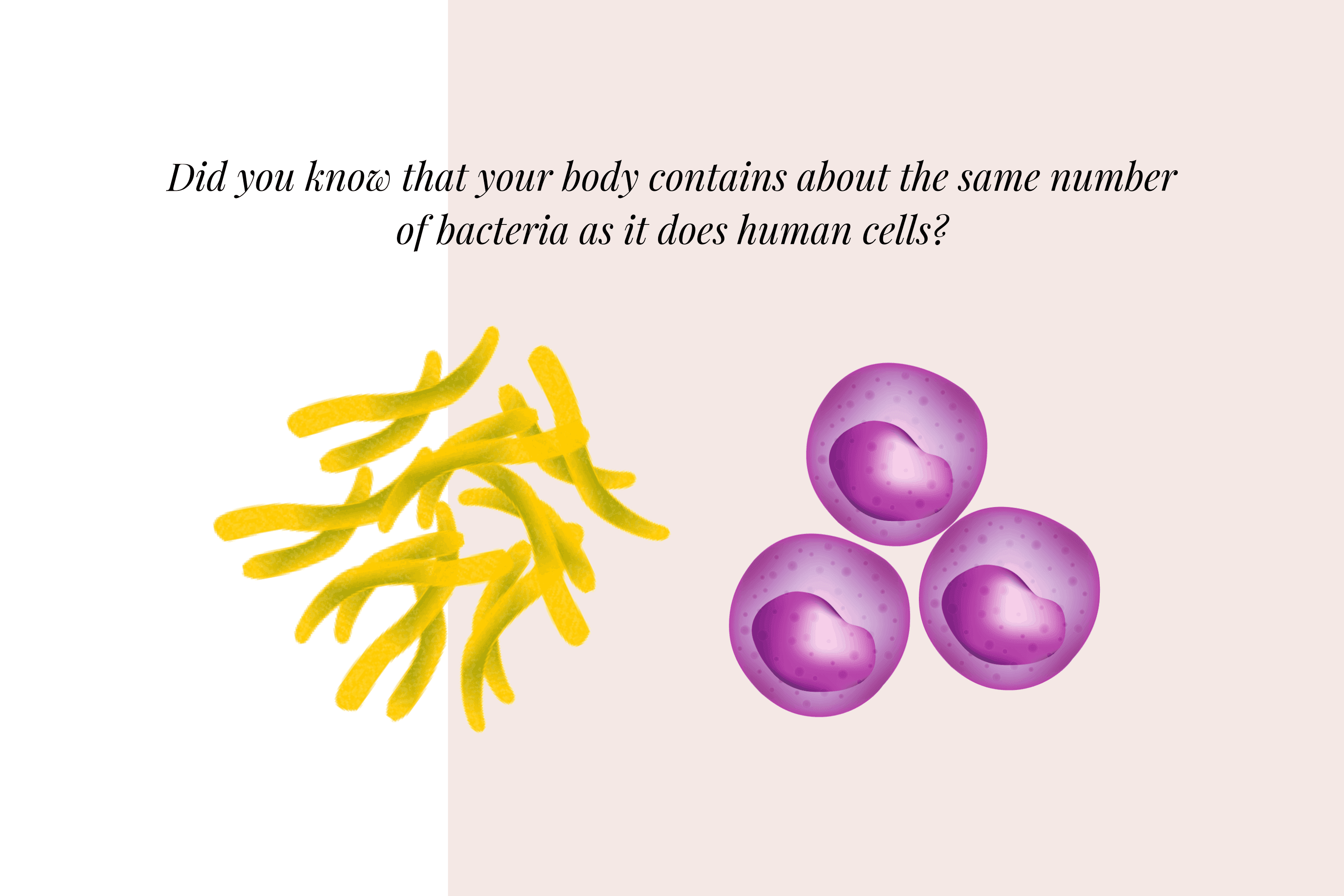
One very important bacterium is Bifidobacterium longum. This beneficial bacterium is crucial for a healthy gut, and its benefits extend far beyond digestive health alone.
As a naturopath who has analyzed thousands of microbiome tests, I’ve seen repeatedly how low B. longum levels correlate with a wide range of health issues—from chronic gut symptoms to anxiety, skin problems, and histamine intolerance.
In this article, I’ll explain how gut bacteria affect your health, what Bifidobacterium longum is, and how it works to protect your gut. I’ll also cover its wide range of health benefits and how you can increase your levels naturally.
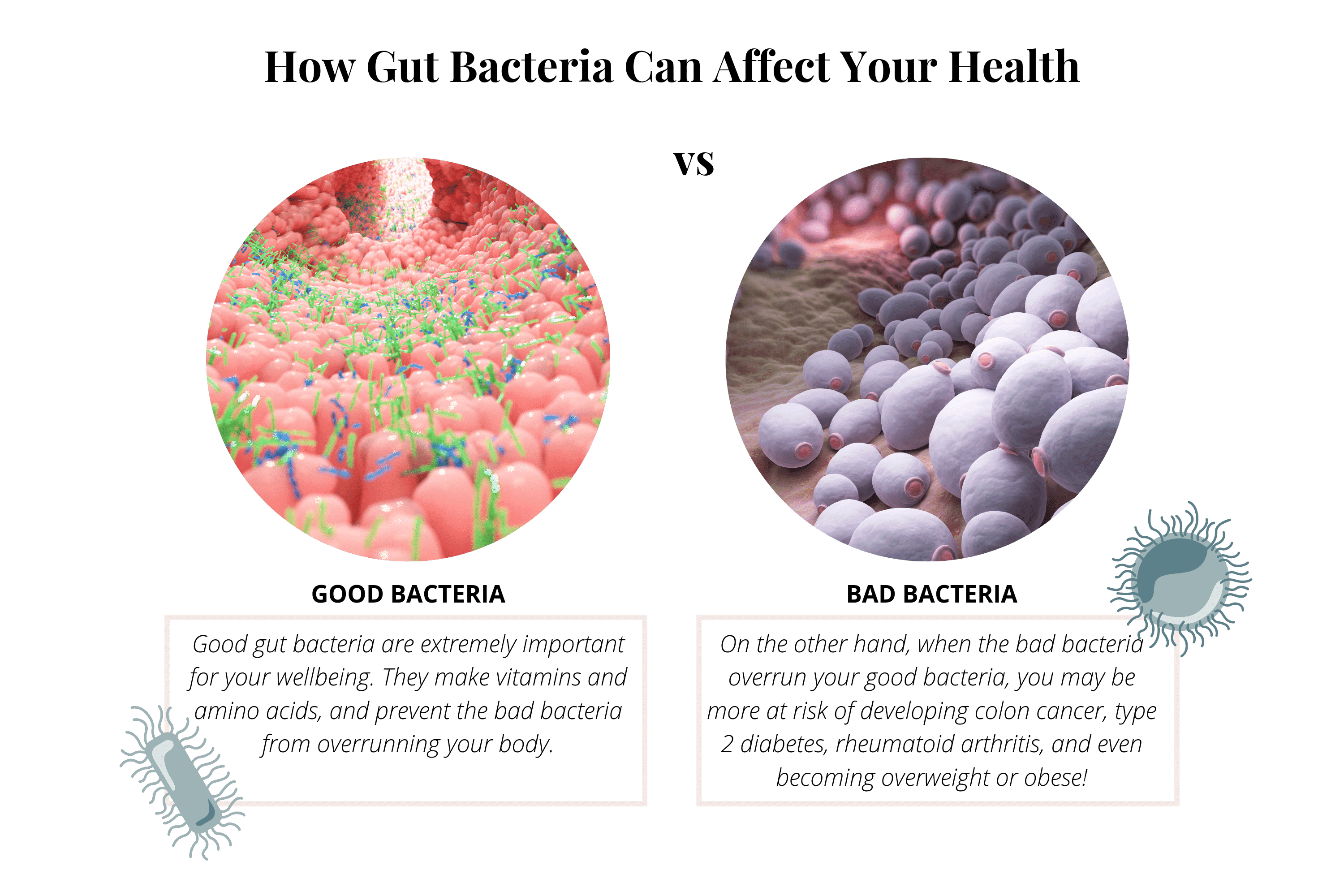
How Gut Bacteria Can Affect Your Health
Collectively, we refer to the microbes—bacteria, fungi, and viruses—that live in and on your body as your microbiota. Most of these microbes are found in your gut and are referred to as your gut microbiome. There are up to 1,000 different species of bacteria in your gut microbiome.
The majority of these are “good bacteria,” while the rest are potentially problematic bacteria that may cause issues if they overrun your beneficial species.
Good gut bacteria are extremely important for your wellbeing. They produce vitamins and amino acids, prevent harmful bacteria from overgrowing, and play crucial roles in immune system function and brain health.
When harmful bacteria overgrow, you may be at higher risk of developing colon cancer, type 2 diabetes, rheumatoid arthritis, and even becoming overweight or obese.
For more on how gut bacteria affect your health, read our complete guide to improving gut health.
What is Bifidobacterium longum?
History
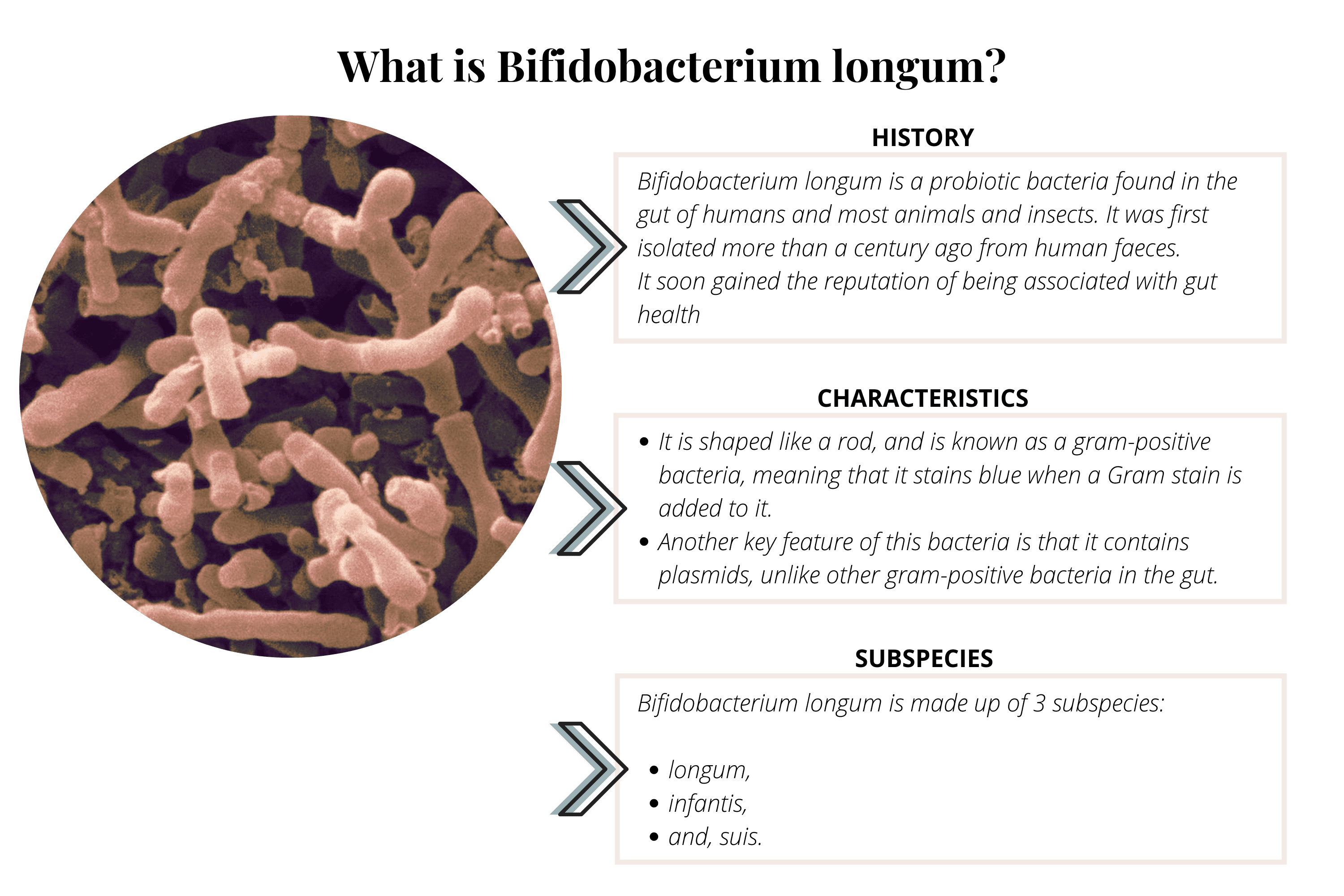
Bifidobacterium longum is a probiotic bacteria found in the gut of humans and most animals and insects. It was first isolated more than a century ago from human feces. It soon gained the reputation of being associated with gut health since breast-milk fed babies have them in greater numbers than formula-fed babies.
Characteristics
It is shaped like a rod and is known as a gram-positive bacteria, meaning that it stains blue when a Gram stain is added to it. One way to test for this bacteria is to see if it contains the enzyme P6PPK (fructose-6-phosphate phosphoketolase), since it is the only gram-positive gut bacteria that contains this enzyme.
Bifidobacterium longum is one of the most important probiotic bacteria in humans since it provides various health benefits. As a result, it is often added to foods and supplements to provide additional health support.
Subspecies
Bifidobacterium longum is made up of 3 subspecies: longum, infantis, and suis.
How Does Bifidobacterium longum (B. longum) Work?
B. longum and Gut Health
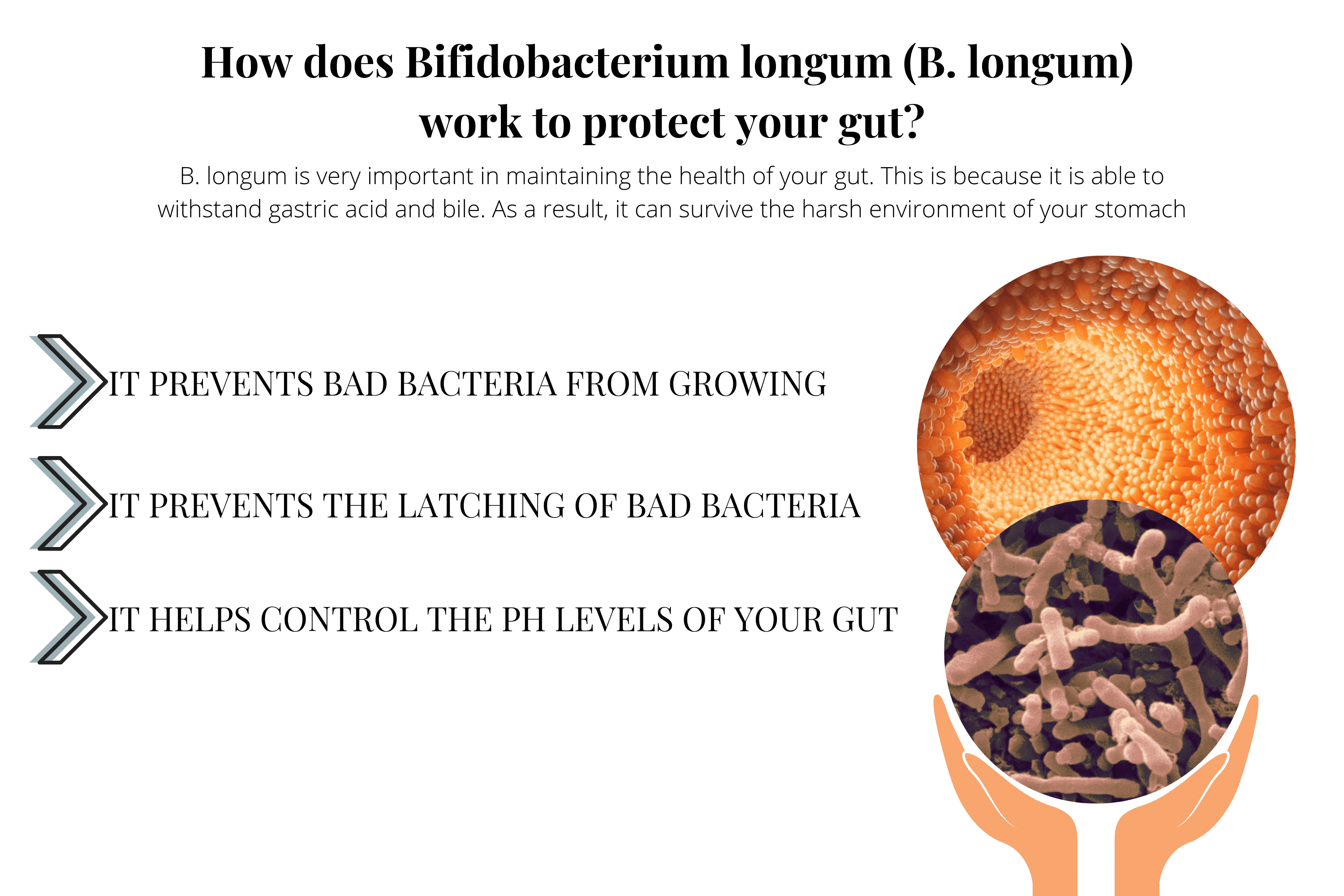
B. longum is crucial for maintaining the health of your gut. This is because it is able to withstand gastric acid and bile—meaning it can survive the harsh environment of your stomach and get rid of harmful bacteria and other pathogens in your gut.
How B. longum Works to Protect Your Gut
It prevents the attachment of harmful bacteria
In order for harmful bacteria to cause any problems, they have to attach to the cells lining your gut. B. longum works by attaching to these cells first—essentially taking up the available real estate so that harmful bacteria have nowhere to latch onto.
If you have a healthy gut, most of the cells in your intestines will have B. longum or other beneficial bacteria attached to them, leaving very few cells available for harmful bacteria to colonize.
Keeping harmful bacteria in check is important for maintaining the health of your immune system.
It helps control the pH levels of your gut
B. longum helps lower and raise the pH levels of your gut, creating different acidic environments throughout your digestive tract. It lowers pH by fermenting sugars into lactic acid and by producing hydrogen peroxide and acetic acid.
Why is it important to have different pH levels in your gut? Different bacteria need different types of acidic environments to thrive. By creating varied pH levels, B. longum enables a diversity of beneficial bacteria to flourish—which in turn keeps harmful bacteria in check.
It prevents harmful bacteria from growing
B. longum produces bacteriocins, which are substances that slow down or prevent harmful bacteria from growing in your gut.
🔬 What I Look for When I Review B. longum Levels
“When I review microbiome test results, Bifidobacterium longum levels are one of the first things I examine—particularly in clients with histamine intolerance, anxiety, or IBS. B. longum is one of the key bacterial species that helps degrade histamine before it causes symptoms. When I see depleted B. longum alongside elevated histamine-producing bacteria like Klebsiella or Enterobacter, it explains why clients react to foods even on a low-histamine diet—they’re missing the bacterial defense system that should be breaking histamine down naturally.
I also look at how B. longum correlates with other Bifidobacterium species. Often when B. longum is low, we’ll see reduced B. infantis and other beneficial strains as well, which tells me there’s been a significant disruption—usually from antibiotics, chronic stress, or a highly processed diet. The good news is that B. longum responds well to targeted intervention with specific probiotic strains and prebiotic support.”
— Victoria, Microbiologist
Health Benefits of Bifidobacterium longum
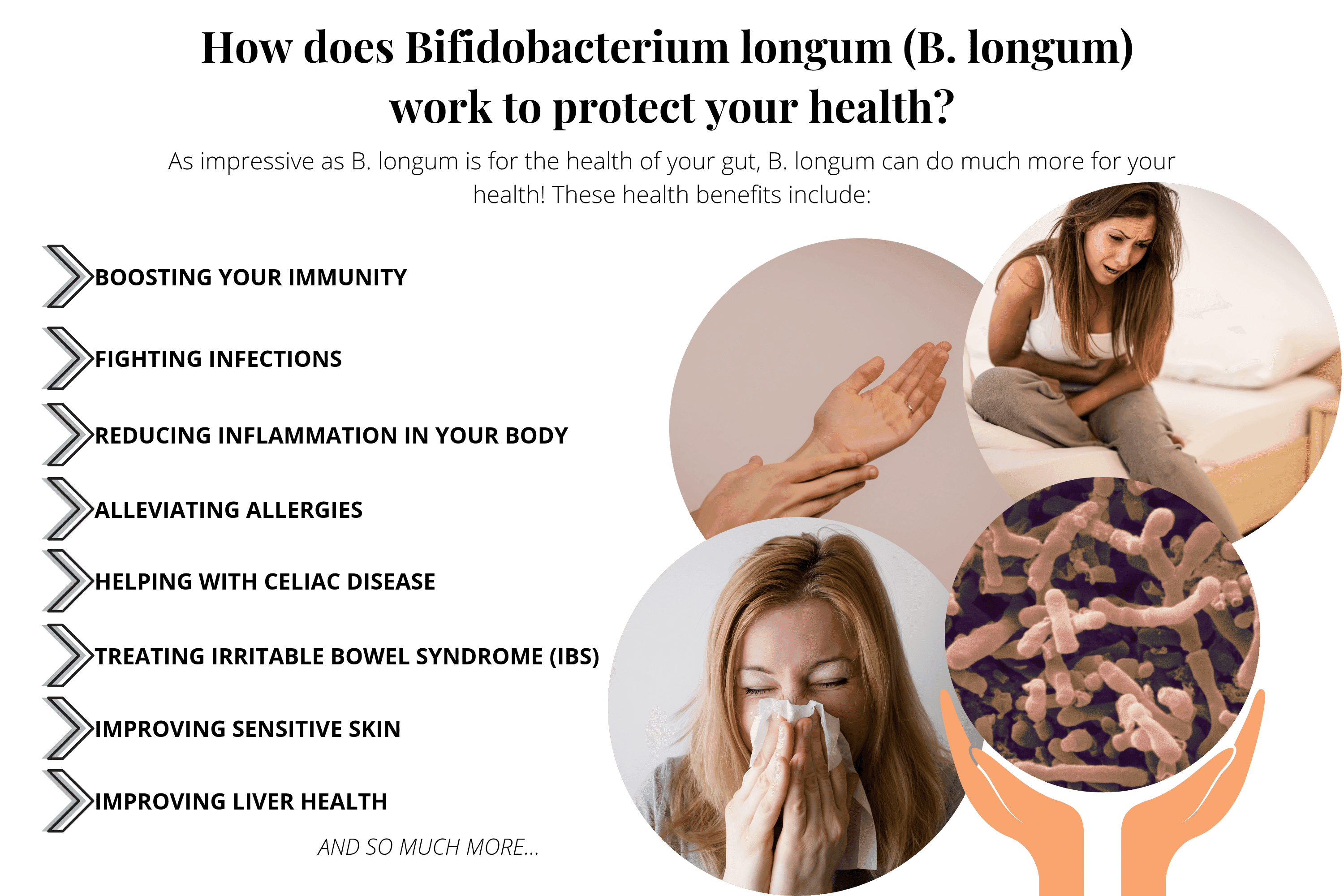
As impressive as B. longum is for gut health, it can do much more for your overall wellbeing. Research has shown benefits across digestive health, immune function, mental health, and more.
Boosting Your Immunity
A strong immune system can literally mean the difference between life and death. The very young and the elderly have weaker immune systems and are more vulnerable to infections.
A study conducted on elderly participants found that the activity of natural killer cells (white blood cells that boost immunity) remained stable in those taking B. longum, but decreased in those taking the placebo. Another study done on elderly participants found that those who took B. longum were less likely to get the flu.
In the very young, a study done on healthy newborns found that infants given formula supplemented with B. longum had better immune responses than infants who were given non-supplemented formula.
Fighting Infections
It’s one thing for B. longum to boost immunity, but the real question is: does it help fight or reduce the number of infections you get? The answer is yes.
Influenza (the flu) can be quite deadly for the elderly and the very young. B. longum has been shown to have a protective role against respiratory infections in these vulnerable populations. For instance, a study found that among elderly participants who were given a flu shot, those taking B. longum were less likely to get the flu.
Similarly, a study done on non-breastfeeding infants found a trend toward fewer respiratory tract infections among those receiving formula supplemented with B. longum.
Reducing Inflammation in Your Body
Research has shown that if you have ulcerative colitis, psoriasis, or chronic fatigue syndrome, you have elevated markers of inflammation in your body. B. longum has been shown to reduce these inflammatory markers.
For instance, B. longum was shown to reduce symptoms and markers of inflammation such as sigmoidoscopy scores and tumor necrosis factor in patients with ulcerative colitis. In another study, B. longum also reduced various markers of inflammation in diseases such as chronic fatigue syndrome and psoriasis.
Alleviating Allergies
If you’re allergic to pollen, B. longum may be helpful in relieving your symptoms. A study examining the effect of B. longum on Japanese cedar pollinosis (an allergy to Japanese cedar pollen) found that B. longum was helpful in alleviating allergy-related eye symptoms. Similarly, another study found that nasal symptoms such as nasal blockages, itching and runny nose, as well as throat symptoms, tended to improve with B. longum.
Helping with Celiac Disease
If you have Celiac Disease, you may be surprised to learn that B. longum may be helpful as a supportive treatment. In a study examining the effects of B. longum on patients with untreated Celiac Disease, those taking B. longum had fewer gastrointestinal symptoms such as indigestion, constipation, and acid reflux than those taking a placebo.
In addition, B. longum may be helpful for children with Celiac Disease. A study examining the effects of B. longum on children with Celiac Disease found that B. longum improved the composition of microbes in the gut and enhanced immune response in children who had recently been diagnosed.
Lowering Cholesterol
If you have high cholesterol, you probably know that you have a higher risk of heart disease. As a result, it’s important to manage your cholesterol levels.
In a study examining the effect of B. longum on blood cholesterol levels, about 50% of those taking yogurt fermented with B. longum had a reduction in total cholesterol. In particular, those who had moderately high cholesterol levels experienced greater decreases. The control group witnessed very few changes in total cholesterol.
Treating Irritable Bowel Syndrome (IBS)
If you have IBS, you may be aware that few medications can effectively treat this condition—and many have been discontinued or restricted due to adverse side effects. B. longum reduces intestinal inflammation and is effective at treating individual and global symptoms of IBS without adverse side effects.
Specifically, it has been shown to “be significantly superior to placebo as well as other bifidobacterium” in relieving IBS symptoms such as abdominal pain, bloating, straining, and flatulence.
Improving Sensitive Skin
Is your skin quite sensitive to heat, cold, and chemicals? Research has shown that when B. longum is applied topically (to the skin), it improves sensitive skin. In a study examining the effect of B. longum on sensitive skin, B. longum was shown to decrease skin dryness and increase skin resistance against physical and chemical triggers in individuals who applied a topical cream containing B. longum.
Improving Liver Health
If you suffer from NASH (non-alcoholic fatty liver disease), you may be at risk of developing cirrhosis or scarring of your liver—a serious health problem. A study examining the effect of B. longum in patients with NASH found that after 6 months, various measures of liver function were better in those who took B. longum versus the control group.
Helping with Chronic Kidney Disease
If your kidneys work well, they’re able to remove extra phosphorus from your blood. However, if you suffer from chronic kidney disease, your kidneys no longer filter phosphorus effectively. This results in a buildup of phosphorus, causing your bones to leach calcium. The calcium enters your blood vessels, eyes, lungs, and heart, making you more vulnerable to strokes, heart attacks, and death.
B. longum may be helpful in preventing this cascade of events. In a study examining the effect of B. longum in patients on hemodialysis, B. longum was shown to decrease phosphorus levels in the blood.
Preventing Cancer
Short-chain fatty acids—substances that are produced when your beneficial bacteria digest fiber—may decrease your risk of colon cancer. A study examining the effect of B. longum ingestion on the production of short-chain fatty acids found that there was an increase in production when B. longum was ingested in healthy individuals.
Alleviating Anxiety
Do you suffer from chronic anxiety? Chronic anxiety leads to higher cortisol levels and decreased memory. B. longum may be helpful if you suffer from anxiety. A study on the effect of B. longum in healthy volunteers found that cortisol levels decreased and participants reported less anxiety. In addition, their memory improved.
Notably, B. longum is one of the key bacterial species that helps degrade histamine—and elevated histamine is often linked to anxiety symptoms. If you experience anxiety alongside digestive issues or histamine-related symptoms (flushing, headaches, racing heart), low B. longum may be a contributing factor. Learn more about histamine intolerance and gut bacteria.
Reducing Depression
If you suffer from depression, in addition to regular exercise, taking B. longum may be helpful in alleviating your symptoms. In a study examining the effect of B. longum on depression, 64% of participants taking B. longum had a reduction in depression scores of at least 2 points on the Hospital Anxiety and Depression scale, compared with only 32% of participants in the control group.
Reducing Constipation Associated with Weight Loss
Are you succeeding in your weight loss goals? Congratulations! You may have noticed, on the other hand, that you’re more constipated than usual. When you lose weight, you may disrupt your gut microbiome, resulting in gut dysbiosis. The result? Worsening constipation.
A study found that participants on a diet and exercise program who frequently took a combination of B. longum and a prebiotic (food for beneficial bacteria) had less constipation than those who took the B. longum/prebiotic combination less frequently.
Preventing Diarrhea Associated with Antibiotic Treatment
If you’ve ever taken antibiotics, you may have experienced diarrhea thereafter. This is because antibiotic-associated diarrhea is a common side effect of antibiotic therapy. In fact, antibiotic-associated diarrhea occurs in close to 40% of patients taking antibiotics. Research has shown that B. longum is effective in preventing antibiotic-associated diarrhea.
Alleviating Lactose Intolerance Symptoms
Do you suffer from lactose intolerance? Then you may be looking for ways to relieve the painful cramps and bloating that occur after you consume dairy. In a study examining the effect of B. longum in patients with lactose intolerance, participants consuming milk containing B. longum experienced less flatulence (gas) than when they consumed plain milk.
Book Your Free Evaluation Call

Curious About Your B. longum Levels?
Wondering if low B. longum is contributing to your symptoms? Comprehensive microbiome testing can show exactly which beneficial bacteria you’re missing—and which harmful species may be overgrowing.
Watch: How Metagenomic Testing Reveals Your Complete Gut Picture

Book Your Free Evaluation Call
Bifidobacteria in Babies
Bifidobacteria play an important role in babies. In fact, they are one of the first bacterial species present in the gut of a newborn. In addition, they are the most abundant bacteria and can make up to 90% of the bacterial makeup in the gut of a breastfed baby.
[IMAGE: Bifidobacteria-in-babies.png]
Alt Text: Illustration showing high levels of Bifidobacteria in breastfed infant gut microbiome
The main role of Bifidobacteria in babies is to digest the naturally occurring sugars in breast milk, which are necessary for a baby’s growth. Bifidobacteria may also improve immunity in infants, leading to fewer infections.
How to Increase Bifidobacteria in Babies
There are a number of ways to support healthy Bifidobacteria levels in babies, including:
Opting for vaginal birth if possible: Babies born vaginally tend to have more Bifidobacteria in their gut than babies born via Caesarean section. This is because Bifidobacteria enter the baby’s gut from the mother’s vaginal area during delivery.
Opting to breastfeed your baby if possible: Breastfed babies tend to have more Bifidobacteria in their gut than formula-fed babies. In fact, breastfed babies tend to have 20% more Bifidobacteria than their formula-fed counterparts. What’s so special about mother’s milk? It contains growth factors that are important for the growth of Bifidobacteria.
Opting for prebiotic formula if breastfeeding is not an option: If breastfeeding is not an option, don’t despair. Baby formula supplemented with probiotics encourages the growth of Bifidobacteria.

How to Increase Bifidobacteria in Your Gut
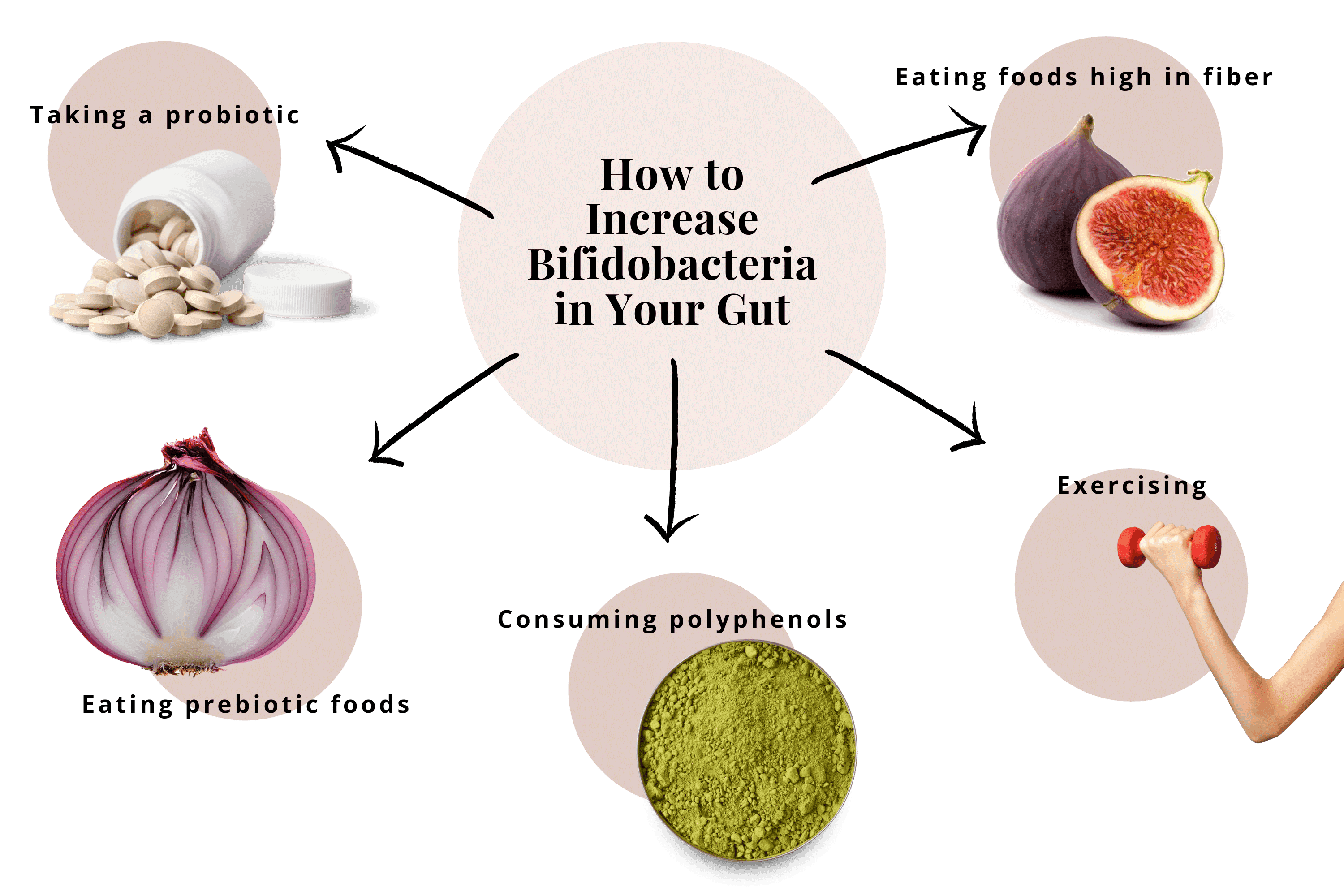
Now that you know about the health benefits of Bifidobacteria (in particular, Bifidobacterium longum), how can you increase their levels in your gut? There are a number of evidence-based strategies:
Taking a Probiotic
By taking a probiotic containing Bifidobacteria, you may increase the number of B. longum and other beneficial species in your gut. Look for supplements that specifically list Bifidobacterium longum on the label.
Eating Foods High in Fiber
Bifidobacteria love fiber. As a result, eating foods rich in fiber encourages their growth. Fruit, vegetables, legumes, and whole grains are good to excellent sources of fiber. For instance, 1 cup of cooked lentils provides a whopping 63% of your daily fiber needs.
For more on gut-supporting foods, read our guide to the best foods for gut health.
Eating Foods That Contain Prebiotics
Onions and garlic, as well as other fruits and vegetables, contain prebiotics that help Bifidobacteria thrive. Prebiotics are essentially food for your beneficial bacteria—they feed and support the growth of species like B. longum.
Exercising
Exercise has many benefits, and one of them may be increasing the amount of Bifidobacteria in your gut. A study found that women who have an active lifestyle have more Bifidobacteria in their gut than women who are sedentary.
Exactly how much exercise do you need to reap these benefits? For women (the population studied), you need to exercise 3 days a week for 30 minutes per session at a moderate pace. So get moving!
Consuming Polyphenols
Polyphenols are health-promoting chemicals that occur in plants. Polyphenols found in cocoa, green tea, and red wine have been shown to increase Bifidobacteria levels.
For more strategies, read our complete guide on how to improve gut health.
Book Your Free Evaluation Call
Want to Know Exactly What Your Gut Needs?
Generic advice like “eat more fiber” doesn’t work if you have SIBO or histamine intolerance—it can actually make things worse. Comprehensive testing shows exactly which bacteria you’re missing and which are overgrowing, so you can make informed decisions about supplements, diet, and treatment.
Why Metagenomic Testing Is Different
Book Your Free Evaluation Call
How do I know if my B. longum levels are low?
Low B. longum levels often manifest as digestive symptoms (bloating, irregular bowel movements, food sensitivities), immune issues (frequent infections, seasonal allergies), mental health symptoms (anxiety, depression, brain fog), or histamine-related symptoms (headaches, flushing, racing heart after meals). The only way to know your specific B. longum levels is through comprehensive microbiome testing using metagenomic sequencing—which shows not just whether B. longum is present, but how much you have compared to optimal levels.
What's the best way to test my B. longum levels?
The most accurate way to test B. longum levels is through metagenomic sequencing of a stool sample. This technology identifies bacteria at the strain level and measures their abundance. At Prana Thrive, every test is reviewed by Victoria (our in-house microbiologist) who analyzes your B. longum levels alongside other key species to identify patterns. This is different from basic probiotics sold at the chemist, which don't tell you what you actually need—they just give you generic strains that may or may not benefit your specific microbiome. Learn more about comprehensive gut microbiome testing.
How long does it take to increase B. longum levels?
With targeted probiotic supplementation and dietary support (fiber, prebiotics), you can begin to see shifts in B. longum populations within 2-4 weeks. However, establishing stable, long-term populations typically takes 8-12 weeks of consistent intervention. The timeline varies depending on how depleted your B. longum was initially, whether you have other gut issues (like SIBO or dysbiosis), and how well you adhere to the protocol. We typically retest at 3-4 months to confirm that beneficial bacteria have successfully recolonized.
Is B. longum the same as other Bifidobacterium species?
No. While all Bifidobacterium species are beneficial, each has unique properties. B. longum is particularly important for histamine degradation and immune support. B. infantis is crucial for infants and helps with inflammation. B. breve supports skin health and weight management. This is why metagenomic testing matters—it identifies which specific Bifidobacterium species you're missing, not just whether you have "some Bifidobacteria" in general. Generic probiotics may not contain the specific strain you need.
Should I take a B. longum probiotic supplement?
It depends on your current levels and overall gut balance. If you have low B. longum confirmed by testing, targeted supplementation can be very helpful. However, taking probiotics without knowing what you need is essentially guessing—you might be taking strains you already have plenty of while neglecting the ones you actually lack. Additionally, if you have SIBO or certain types of dysbiosis, adding probiotics too early can worsen symptoms. This is why we recommend testing first, then supplementing strategically based on your results.
Can B. longum help with histamine intolerance?
Yes—B. longum is one of the key bacterial species that helps degrade histamine naturally. When Victoria reviews microbiome tests for clients with histamine intolerance, she consistently finds depleted B. longum (along with other histamine-degrading species like B. infantis and certain Lactobacillus strains). Rebuilding these populations is often crucial for resolving histamine symptoms. However, if you also have SIBO or fungal overgrowth, those issues need to be addressed first—otherwise, simply adding B. longum may not be enough. Learn more about histamine intolerance and gut bacteria.
What causes low B. longum levels?
Several factors can deplete B. longum populations: antibiotics (even a single course can significantly reduce Bifidobacteria), chronic stress, highly processed diets low in fiber, Caesarean birth (C-section babies have lower Bifidobacteria initially), formula feeding in infancy, chronic use of acid-reducing medications (PPIs), and aging (Bifidobacteria naturally decline with age). Often, it's a combination of factors over time rather than a single cause.
Do I need to keep taking B. longum supplements forever?
Not necessarily. The goal is to reestablish stable populations of B. longum in your gut so they become self-sustaining. This typically requires 3-6 months of targeted probiotic supplementation combined with dietary support (fiber, prebiotics). Once your levels are restored (confirmed by retesting), many people can maintain healthy B. longum levels through diet and lifestyle alone. However, some people—particularly those with ongoing gut challenges or those who've had multiple rounds of antibiotics—may benefit from periodic probiotic "maintenance" or longer-term supplementation.