16 Natural Antihistamine Foods - And Why They're Not Always Enough
Evidence-based antihistamine foods can help reduce inflammation and stabilize mast cells. But if your gut bacteria are producing histamine internally, dietary changes alone often won't resolve your symptoms. Here's what you need to know.

Author:
Amanda Ledwith, BHSc Naturopathy
Last Updated:
Reading Time:
19 min
Categories:
Gut Health
natural-antihistamine-foods
What You'll Learn
This article covers 16 evidence-based antihistamine foods that can help reduce histamine-related inflammation. However, if your gut bacteria are producing histamine internally (common with dysbiosis or SIBO), dietary changes alone often aren’t enough. We’ll explain why addressing your microbiome is often the missing piece.
Key Foods Covered:
Quercetin-rich: Apples, Onions
Mast cell stabilizers: Turmeric, Ginger, Pomegranate, Holy Basil
Anti-inflammatory: Broccoli, Sweet Potato, Watercress, Fennel
Plus 8 more evidence-based options
Important Note: Some foods on this list may worsen symptoms if you have SIBO or IBS—we’ll note these throughout.
The Bacterial Connection: Gut bacteria can produce more histamine than your diet. If you’re eating all the “right” foods and still struggling, testing your microbiome may reveal the missing piece.
If you’re dealing with histamine intolerance symptoms—headaches, flushing, anxiety, digestive issues, skin reactions—you’ve probably been told to avoid high-histamine foods and eat more antihistamine foods instead.
It’s solid advice. Foods like apples (rich in quercetin), turmeric (a powerful mast cell stabilizer), and watercress (shown to inhibit histamine release) genuinely help reduce the inflammatory cascade that histamine triggers.
But here’s what most resources don’t tell you: antihistamine foods alone often aren’t enough—especially if your gut bacteria are producing histamine internally.
After analyzing over 2,000 microbiome tests, I’ve seen a clear pattern: clients who’ve been eating all the “right” foods but still have symptoms almost always have bacterial imbalances—elevated histamine-producing bacteria and depleted species that should be degrading histamine naturally.
In this article, I’ll share 16 evidence-based antihistamine foods that can support your healing. But I’ll also explain why addressing your gut microbiome is often the missing piece that makes everything else work.
Let’s start with the foods, then we’ll talk about the bacterial connection.
The Missing Piece:
Why Antihistamine Foods Alone Often Aren’t Enough
Antihistamine foods can absolutely help manage symptoms—the quercetin in apples, the compounds in watercress, and the anti-inflammatory properties of turmeric all have genuine benefits backed by research.
But here’s what most resources don’t tell you: Your gut bacteria are a major internal source of histamine.
Over 100 bacterial species can produce histamine as a metabolite. When these bacteria overgrow—whether from dysbiosis, SIBO, or other imbalances—they flood your system with histamine from the inside.
At the same time, beneficial bacteria like Bifidobacterium longum, B. infantis, Lactobacillus plantarum, and L. rhamnosus help degrade histamine naturally. When these are depleted, you lose a critical line of defense.
The result? You can eat all the right foods and still have symptoms—because the histamine is coming from your gut bacteria, not your plate.
This is why clients often come to us after months of following a low-histamine diet and eating antihistamine foods, still struggling with symptoms. When we test their microbiome, we consistently find elevated histamine-producing bacteria (like Klebsiella, Enterobacter, Morganella) and depleted degrading species.
Antihistamine foods are supportive—and we absolutely recommend incorporating them. But they’re not a substitute for addressing the bacterial imbalance.
Learn more about histamine intolerance and gut bacteria
🔬 VICTORIA’S EXPERT INSIGHT
Bacterial Histamine Production
“When I review microbiome tests for histamine clients, I’m looking at two things: which bacteria are producing histamine as a metabolite, and which degrading species are missing. The most common pattern? Elevated Klebsiella, Enterobacter, or Proteus (histamine producers) alongside depleted Bifidobacterium and Lactobacillus species (histamine degraders).
Antihistamine foods like quercetin-rich apples or mast cell-stabilizing onions can help reduce the inflammatory response—but they don’t address the bacterial overgrowth producing histamine internally. That’s why we see clients who’ve been eating perfectly and still have symptoms. The foods help, but they can’t overcome a bacterial imbalance on their own.”
— Victoria, Microbiologist
16 Natural Antihistamine Foods
(Evidence-Based)
Now let’s cover the foods. Each of these has research supporting its antihistamine or anti-inflammatory properties. Where relevant, I’ll note if the food may be problematic for SIBO or IBS.
1. Apples
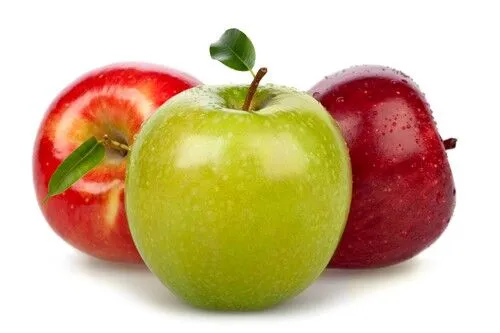
Apples contain quercetin, a flavonoid that can help stabilize the release of histamines from certain immune cells. Quercetin reduces symptoms like coughs, watery eyes, runny noses, rash, swollen lips or tongue, and indigestion.
Like many other bioflavonoids, quercetin has antioxidant, anti-atherogenic, and anti-carcinogenic properties. You know the old saying—an apple a day keeps the doctor away.
If you buy apples, choose organic. They’re one of the most heavily sprayed fruits, and organic apples are noticeably crisper and more flavorful.
⚠️ SIBO/IBS Note: Apples are high in fructose and sorbitol (FODMAPs). If you have SIBO or IBS, apples may worsen bloating and digestive symptoms. Consider cooked apples in small amounts or avoid until gut balance is restored.
2. Thyme
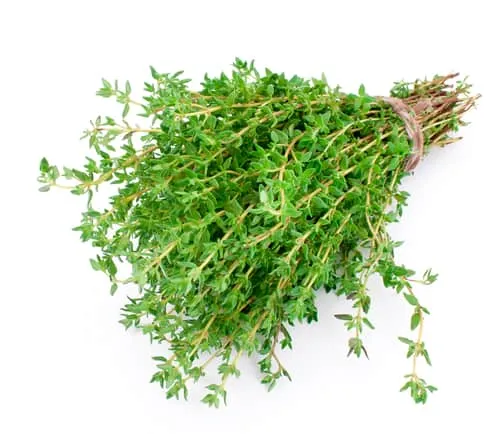
Thyme essential oil has antimicrobial activity against a multitude of diverse microorganisms and yeasts, and it acts as a natural antihistamine.
Thyme essential oil has antiseptic properties to help fight infections. It’s a herbal antibiotic particularly effective against lung infections. Thyme is antiseptic, antiviral, antihistamine, anti-inflammatory, antispasmodic, nervine, and antitussive (reduces coughing).
Unlike antibiotics, thyme works on both microbial and virus-related infections (not just bacteria). It has a calming effect on the nervous system and may help with stress-related symptoms.
Including fresh thyme in your meals is helpful, but for a more therapeutic dose, thyme essential oil can be found in antimicrobial supplements.
3. Watercress
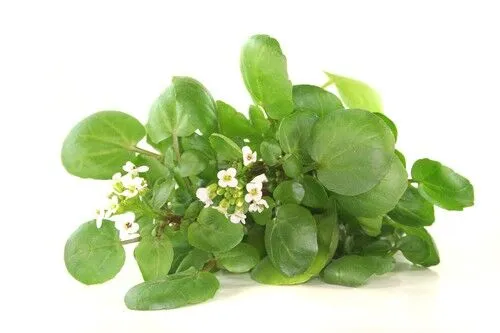
Research tells us that compounds extracted from this peppery herb can inhibit histamine release from cells exposed to an allergen. Watercress helps reduce high blood pressure and contains compounds that lower cancer risk and can protect from the side effects of radiation and chemotherapy.
Watercress is one of the most nutrient-dense foods available. It has the capability to inhibit 60% of the histamine released from mast cells. I use watercress regularly as a garnish for salads—it adds a spicy, peppery kick. The nourishing greens of watercress have been used to treat bronchitis and respiratory illnesses in children.
4. Onion
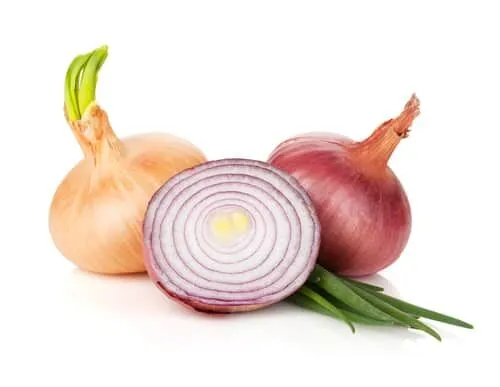
Regular onion consumption can stabilize mast cells and lower histamine levels in blood plasma. What makes the health benefits of onions so abundant is the presence of the polyphenol quercetin compound.
Polyphenols are phytochemicals—antioxidants that protect plants against microorganisms and pests. Quercetin helps your immune system moderate histamine release, easing allergen symptoms such as runny nose and watery eyes.
The health benefits of onions aren’t only due to quercetin. Onions are salt- and fat-free, low in calories, and rich in vitamins C, B6, A, and E. The copper found in onions protects your bones and joints, strengthens your skin, and helps prevent osteoporosis.
Your intestines will also benefit, since onions support the development of beneficial gut bacteria that aid digestion.
⚠️ SIBO/IBS Note: Onions are high in fructans (a FODMAP). If you’re on a low-FODMAP diet, use only the green tops of spring onions, which are low-FODMAP. Or avoid onions until your gut balance improves.
5. Parsley
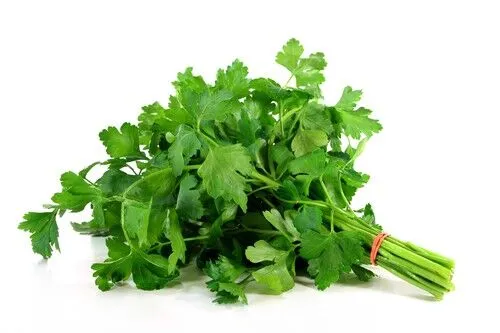
Research demonstrates parsley’s antihistamine action, making it helpful for individuals with hay fever or hives. It’s anti-inflammatory and can support liver health. As it turns out, further research suggests that parsley—that once-ignored garnish—is a star when it comes to food as medicine.
This herb is a rich source of vitamin A, vitamin C, and lutein and zeaxanthin (known as the macular carotenoids for their role in protecting eye health).
When shopping for parsley, freshness is key. The leaves should be bright green, the stalks sturdy—nothing wilted or floppy. At home, remove it from plastic packaging so it can breathe. Before using, give it a thorough rinse in cool water.
6. Broccoli
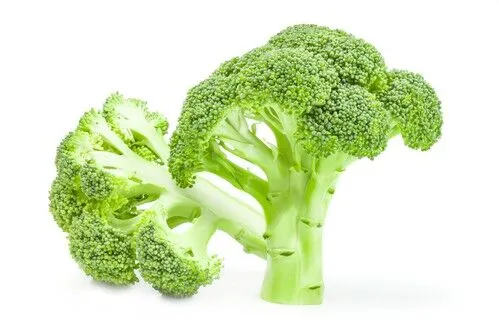
A reliable source of vitamin C, broccoli is an easy-to-find natural antihistamine and an excellent option for treating a stuffy nose and other allergy symptoms caused by inflammation.
It’s a true superfood and is a particularly rich source of the flavonoid kaempferol, which is why it’s such a powerful anti-inflammatory.
Research has shown that eating cruciferous vegetables is linked with a reduced risk of heart disease and cancer. This may be connected to the anti-inflammatory effects of the antioxidants they contain.
Broccoli is rich in sulforaphane, an antioxidant that fights inflammation by reducing your levels of cytokines and NF-kB, which drive inflammation.
Sulforaphane is one of the best compounds for supporting liver detoxification and has anti-cancer, antimicrobial, and anti-diabetic properties.
7. Peach
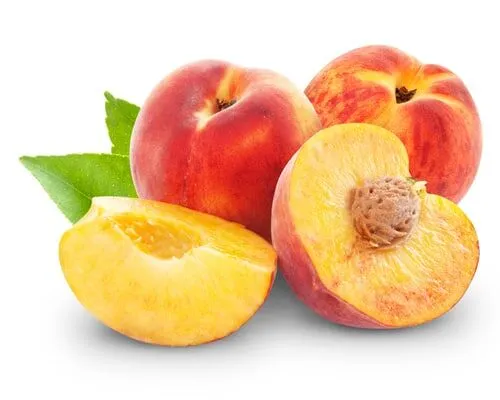
Peaches are a seasonal fruit that are sweet and juicy. A study found that they suppressed mast cell-derived allergic inflammation. Blocking the histamine response in cells is the first line of defense in reducing inflammation throughout the body.
Besides being full of fiber and water, peaches are also very high in beta-carotene.
One of the greatest qualities of peach nutrition is the high number of antioxidants found in these delicious fruits.
When free radicals circulate in your body’s systems, they can cause oxidative stress and contribute to illness and cellular breakdown on many levels.
8. Black Rice Bran
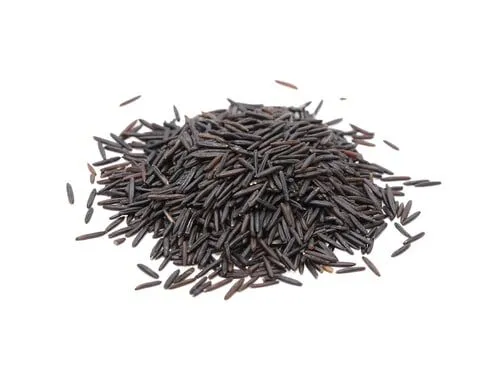
Black rice is believed to have many health benefits. Researchers have found that a diet containing 10% black rice reduced inflammation and suppressed the release of histamine from mast cells by around 32%. Brown rice did not have the same benefits.
Anthocyanins found in black rice bran help prevent cardiovascular disease, cancer, and are anti-inflammatory. They can also help the liver eliminate toxic buildup. Bran is the outer shell of the grain, which is removed during the processing of brown rice to yield white rice.
A 2010 study established the potential value of black rice bran as an anti-inflammatory and anti-allergic food component and as a therapeutic agent for the treatment and prevention of diseases linked with chronic inflammation.
9. Mung Bean Sprout
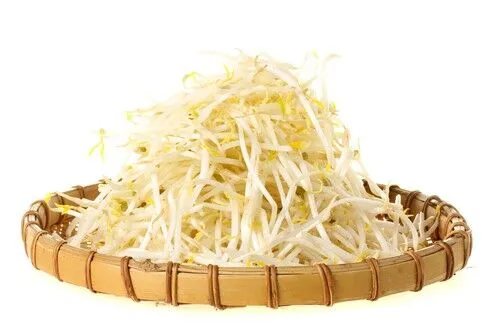
Mung bean sprouts are concentrated with flavonoids, the phytonutrients found in plants. Mung beans inhibit the release of histamine-activating enzymes in mast cells and help prevent histamines from being released.
Mung beans can help control cholesterol levels since their antioxidants act like powerful free-radical scavengers, reducing damage done to blood vessels and lowering inflammation. Oxidized LDL cholesterol is one of the main risk factors for lethal cardiac events, such as heart attacks or stroke.
LDL cholesterol can accumulate inside the inner lining of blood vessels (the endothelium) and block blood flow, causing cardiac arrest. Mung beans are a terrific addition to any anti-inflammatory diet thanks to their capacity to keep vessels strong and improve circulation.
10. Turmeric
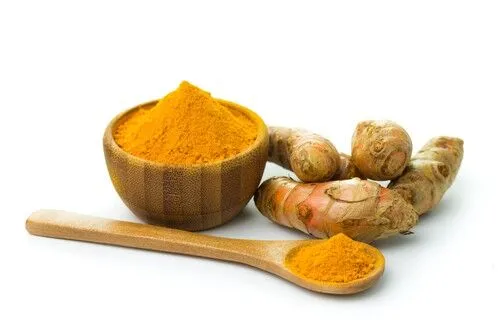
Turmeric is the spice that gives curry its golden color, and on its own, it has a pungent, earthy flavor. Fresh turmeric rhizomes are available and can be frozen and grated over most savory dishes as a condiment.
Turmeric has powerful anti-inflammatory and antioxidant properties. A study found that it suppressed mast cell activation. It also acts as an anti-inflammatory, calming the inflamed airways of the esophagus following an allergic response.
Turmeric contains a compound known as curcumin. This acts as a decongestant, which in turn helps reduce the many symptoms that come with allergies. This spice acts as a natural antihistamine—meaning it can reduce the release of histamines in your body, or prevent mast cell degranulation. It is also a powerful detoxifier.
11. Fennel
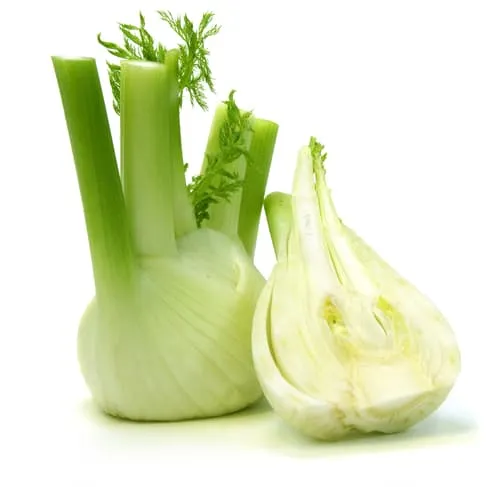
Fennel is anti-inflammatory, antihistamine, pain-relieving, and antioxidant. Fennel is a natural remedy for skin care. Fennel seeds, stems, bulbs, and leaves are all packed with nutrition and are an excellent source of B vitamins.
These vitamins, along with vitamin C, are vital for maintaining good skin health and even promote collagen synthesis to keep the skin firm and youthful. Fennel extracts are valued as an anti-aging ingredient in many supplementary skin care products.
Fennel contains many nutrients that play a dynamic role in protecting you from cancer. The herb contains an anti-inflammatory phytonutrient called anethole, which occurs in fennel and is recognized to have anti-cancer effects by inhibiting breast cancer cell growth.
Colicky babies cry intensely at around the same time each day for at least three days a week. Breastfeeding mothers can sip on fennel tea to help relieve their baby’s discomfort. This will calm the digestive tract and help release gas and symptoms of indigestion.
Fennel seed oil can reduce intestinal contractions and increase motility of the small intestine. It eases stomach discomfort and uneasiness linked with indigestion, stomach bloating, nausea, burping, and flatulence.
Fennel and celery with a sprinkle of sliced almonds make a delicious and refreshing salad.
12. Pomegranate
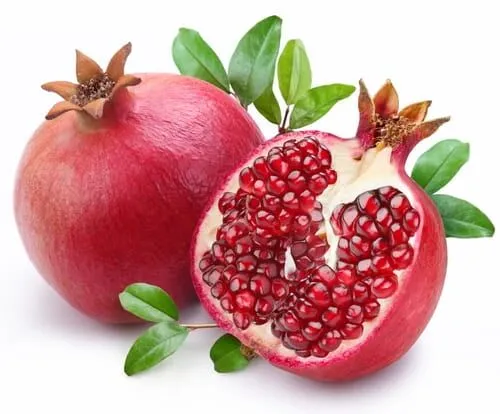
Pomegranates have a sweet but tart flavor and are used in both savory and sweet dishes. They contain polyphenols, such as tannins and anthocyanins, and are higher in antioxidants than green tea. A study showed that they act as mast cell stabilizers.
Pomegranates are of great therapeutic use for the body. Pomegranate is delicious in its natural form, as juice, or as herbal tea. Studies done on the whole fruit or extract, skin, and flowers reveal antiulcer effects in a variety of animal models.
Ellagic acid was the compound primarily responsible for this effect, though other isolated ellagitannins may contribute to the biological activity of the mixture. Various preparations of pomegranate, including extracts from skins, flowers, seeds, and juice, display significant anti-inflammatory activity in the gut.
13. Ginger
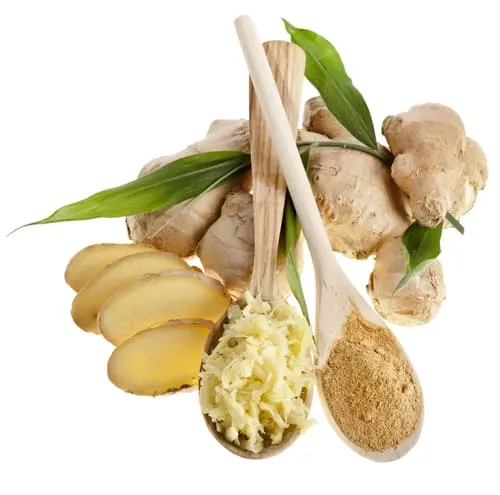
Ginger is a rhizome that inhibits allergic responses. It has been used as an H2 inhibitor, but research also shows that it acts as a mast cell stabilizer. Studies have shown that ginger has many health benefits including antioxidant, anti-viral, anti-inflammatory, and anti-tumor effects.
So, it can help treat many common problems such as peptic illnesses, nausea, motion sickness, abdominal cramps, fevers, and chills—as well as major diseases such as high blood pressure, high cholesterol, and even malignant tumors.
Ginger acts as an antihistamine and can help in the treatment of allergies. Ginger is a natural anti-viral and antihistamine. It can help promote healthy perspiration, which is often helpful when suffering from a cold or fever.
14. Holy Basil
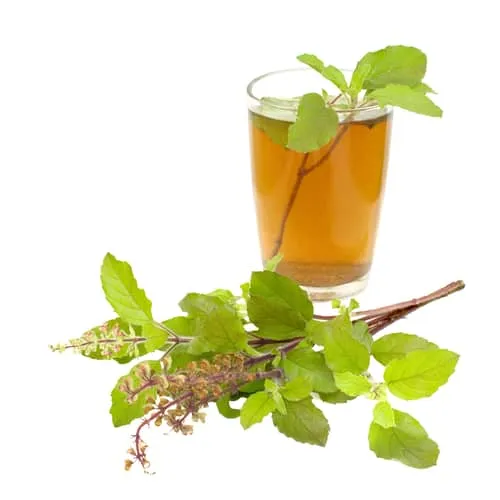
Holy basil’s activity as a natural antihistamine has been found to affect histamine’s H2 receptor—great news for those with histamine intolerance or mast cell activation disorders with stomach complaints. Holy Basil is also known as Tulsi, one of my favorite herbal supplements and teas.
Its anti-inflammatory effects are in part due to its high vitamin K content. Holy basil is an herb in the basil family. It has a delicate taste that is minty and floral, with a natural sweetness. It is an adaptogen that helps reduce feelings of stress, as well as having anti-anaphylactic, antihistamine, and mast cell-stabilizing properties.
15. Sweet Potato
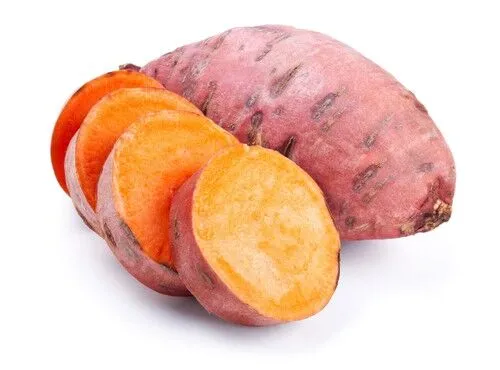
This delicious, nourishing food is one of the highest antihistamine foods available. The root vegetable contains a diverse range of vitamins, minerals, phytonutrients, and antioxidants that inhibit the histamine response in cells.
A rich source of complex carbs, fiber, beta-carotene, manganese, and vitamins B6 and C, these potatoes help reduce inflammation in the body. Beta-carotene is the nutrient responsible for giving sweet potatoes that typical attractive orange hue. It’s also beneficial for maintaining healthy skin.
Cyanidin is another antioxidant benefit of sweet potatoes. Found in the flesh of purple sweet potatoes, this phytonutrient compound has been linked to protecting us from toxins in the digestive system.
It helps the body reduce inflammation that contributes to long-term chronic diseases including diabetes, arthritis, and asthma.
16. Amaranth
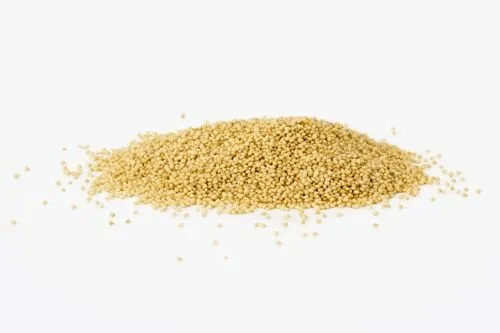
Amaranth greens are delicious. The leaves are packed with anti-inflammatory vitamin K, and they have such robust natural antihistamine action that they’ve been shown to prevent anaphylactic shock. The seeds are not grains like wheat or rice. Amaranth contains a higher protein concentration than any other grain on the market.
Furthermore, even the leaves of the amaranth contain beneficial proteins. The proteins are particularly of high nutritional value due to the excellent balance of essential amino acids.
Research suggests that additional nutrients such as phytochemicals in amaranth may also have potential health-beneficial effects.
The oils and phytosterols in amaranth help lower cholesterol levels, including LDL and triglycerides. The anti-inflammatory properties of peptides and oils in amaranth can ease pain and reduce inflammation.
This is particularly important for chronic conditions where inflammation erodes your health, such as diabetes, heart disease, and stroke.
Are Antihistamine Foods Enough for You?
If you’ve been eating antihistamine foods and following a low-histamine diet but still struggling with symptoms, your gut bacteria may be producing histamine internally. Testing can show exactly which bacteria are producing histamine and which degrading species you’re missing.
Watch: How Gut Bacteria Affect Histamine Levels

Book Your Free Evaluation Call

The Bottom Line:
Foods Help, But Bacterial Balance Matters More
Did you enjoy discovering which of your favorite natural antihistamine foods are also helping reduce inflammation?
As a naturopath, I focus on two things: prevention and addressing the root cause of health issues. I practice a holistic, evidence-based approach to care—which includes using food as medicine.
But here’s what I’ve learned after analyzing over 2,000 microbiome tests:
Antihistamine foods are supportive. They help reduce the inflammatory response. They stabilize mast cells. They provide nutrients that support your body’s natural histamine-clearing mechanisms.
But they can’t overcome a bacterial imbalance on their own.
If you’re eating all the “right” foods—avoiding high-histamine foods, incorporating antihistamine foods, taking DAO supplements—and you’re still struggling, the issue is likely what’s happening in your gut microbiome.
When we test clients who’ve been doing everything right but still have symptoms, we consistently find:
Elevated histamine-producing bacteria (Klebsiella, Enterobacter, Morganella, Proteus)
Depleted histamine-degrading bacteria (Bifidobacterium longum, B. infantis, L. plantarum, L. rhamnosus)
Often SIBO (small intestinal bacterial overgrowth), which amplifies the problem
The foods on this list genuinely help—and I recommend incorporating them. But if you’ve been eating well for 2-3 months and you’re still symptomatic, testing can reveal what dietary changes alone can’t fix.
Learn more about histamine intolerance testing and treatment
Ready to Find Out What’s Actually Going On?
Our AIM Method gives you the complete picture: comprehensive testing to analyse what’s happening in your gut, a personalized protocol to integrate into your life, and ongoing monitoring to ensure it actually works.
Watch: How the AIM Method Works (5 Minutes)
Book Your Free Evaluation Call
Can antihistamine foods cure histamine intolerance?
Antihistamine foods help reduce inflammation and stabilize mast cells, but they don't address the root cause if bacterial imbalance is driving histamine production. Think of them as supportive—helpful for symptom management while you work on the underlying bacterial imbalance. If your histamine intolerance is primarily diet-driven (rare), antihistamine foods may be sufficient. But most cases involve bacterial dysbiosis that requires targeted intervention.
Why do I still have symptoms despite eating all the right foods?
If you're eating antihistamine foods and avoiding high-histamine foods but still struggling, gut bacteria are likely producing histamine internally. Over 100 bacterial species produce histamine as a metabolite. When these overgrow (common with SIBO or dysbiosis), you'll have symptoms regardless of diet. Testing shows exactly which bacteria are producing histamine and which degrading species you're missing. Learn more about testing.
How do gut bacteria affect histamine levels?
Certain bacteria (like Klebsiella, Morganella, Enterobacter, Proteus) produce histamine as a byproduct of metabolism. Other beneficial bacteria (Bifidobacterium longum, B. infantis, Lactobacillus plantarum, L. rhamnosus) help degrade histamine. When producers outnumber degraders, histamine builds up—creating symptoms even on a perfect diet. This is why addressing bacterial balance is often more important than dietary changes alone. Learn more about the gut-histamine connection.
Are these foods safe if I have SIBO or IBS?
Some foods on this list are high FODMAP (apples, onions) and may worsen SIBO or IBS symptoms. We've noted these throughout the article. If you have diagnosed SIBO, work with a practitioner to determine which foods are appropriate for you during treatment, then reintroduce them systematically once bacterial balance is restored. Learn more about SIBO treatment.
Should I test my microbiome if antihistamine foods aren't working?
Yes. If you've been eating antihistamine foods, following a low-histamine diet, and managing triggers for 2-3 months without significant improvement, testing can reveal what dietary changes alone can't fix—which bacteria are producing histamine and which degrading species are depleted. At Prana Thrive, we use metagenomic sequencing (not the limited 16S testing many companies offer) reviewed by Victoria, our in-house microbiologist. Learn about comprehensive testing.
Can I just take DAO supplements instead of eating these foods?
DAO supplements help break down dietary histamine temporarily, but they don't reduce bacterial histamine production or rebuild degrading bacteria. They're a band-aid, not a solution. The most effective approach combines antihistamine foods (to reduce inflammation) + addressing bacterial imbalance (to stop internal histamine production) + temporarily supporting with DAO if needed. Long-term, the goal is restoring your body's natural histamine-clearing capacity—not supplement dependence.
How long before antihistamine foods help with symptoms?
If your histamine intolerance is primarily diet-driven (not bacterial), you may see improvement within 1-2 weeks. If bacterial imbalance is a factor, antihistamine foods will help reduce inflammation but symptoms may persist until you address the microbiome. This is why testing matters—it shows what's actually driving your symptoms so you're not guessing. Most clients see significant improvement within 6-8 weeks of starting a targeted protocol that addresses bacterial balance alongside dietary support.
Which antihistamine food is the most effective?
There's no single "best" food—effectiveness varies by individual. Turmeric (curcumin) and ginger have the most research for mast cell stabilization. Quercetin-rich foods (apples, onions) are well-studied antihistamines. Watercress shows strong histamine-inhibiting properties. We recommend incorporating multiple foods rather than relying on one. The broader your variety of antihistamine and anti-inflammatory foods, the more support you're giving your body's natural systems.