27 High Fiber Low Carb Foods That Support Your Gut Microbiome


Author:
Amanda Ledwith, BHSc Naturopathy
Last Updated:
Reading Time:
XX min
Categories:
Gut Health
high-fiber-low-carb-foods
What You'll Learn
When you reduce carbohydrates, your gut microbiome still needs fiber to thrive. Beneficial bacteria like Faecalibacterium prausnitzii, Akkermansia muciniphila, and Bifidobacterium species rely on specific fibers to produce butyrate—the primary fuel for your intestinal cells.
In this guide, you'll discover:
27 high fiber, low carb foods organized by category (vegetables, nuts/seeds, fruits)
Exact fiber-to-carb ratios for each food
Which fibers feed which beneficial bacteria
Health benefits beyond gut health
Why some people still have gut symptoms despite eating well
Whether you're following a ketogenic diet, reducing carbs for blood sugar management, or simply trying to support your gut health, these foods provide the fiber your microbiome needs without the carb load that can trigger symptoms.
Introduction
You’ve reduced your carbohydrate intake—maybe you’re following a ketogenic diet, managing blood sugar, or avoiding foods that trigger your gut symptoms. You’re feeling better, but you’re concerned: is eating low-carb harming your gut microbiome?
Here’s what you need to know: your gut bacteria don’t need high carbs—they need the right kind of fiber. And you can absolutely support a thriving microbiome while keeping your carbohydrate intake low.
The problem with most low-carb approaches is that people accidentally eliminate fiber-rich foods along with the carbs. They remove grains (smart), but they also reduce vegetables, nuts, seeds, and certain fruits that contain the specific fibers beneficial bacteria need to thrive.
Your gut microbiome relies on fiber—specifically prebiotic fibers—to produce butyrate, a short-chain fatty acid that fuels your intestinal cells, reduces inflammation, and maintains your gut barrier. Without adequate fiber, protective species like Faecalibacterium prausnitzii and Akkermansia muciniphila decline, and your gut health suffers.
The good news? You can feed your microbiome and keep your carbs low by choosing the right foods.
In this article, we’ll show you 27 high fiber, low carb foods—complete with their fiber-to-carb ratios—that support your gut bacteria without spiking your blood sugar or triggering digestive symptoms. Whether you’re committed to keto, doing low-carb, or just trying to reduce inflammatory carbohydrates, these foods will keep your microbiome happy.
Let’s start by understanding why fiber matters so much for your gut health—even when you’re keeping carbs low.
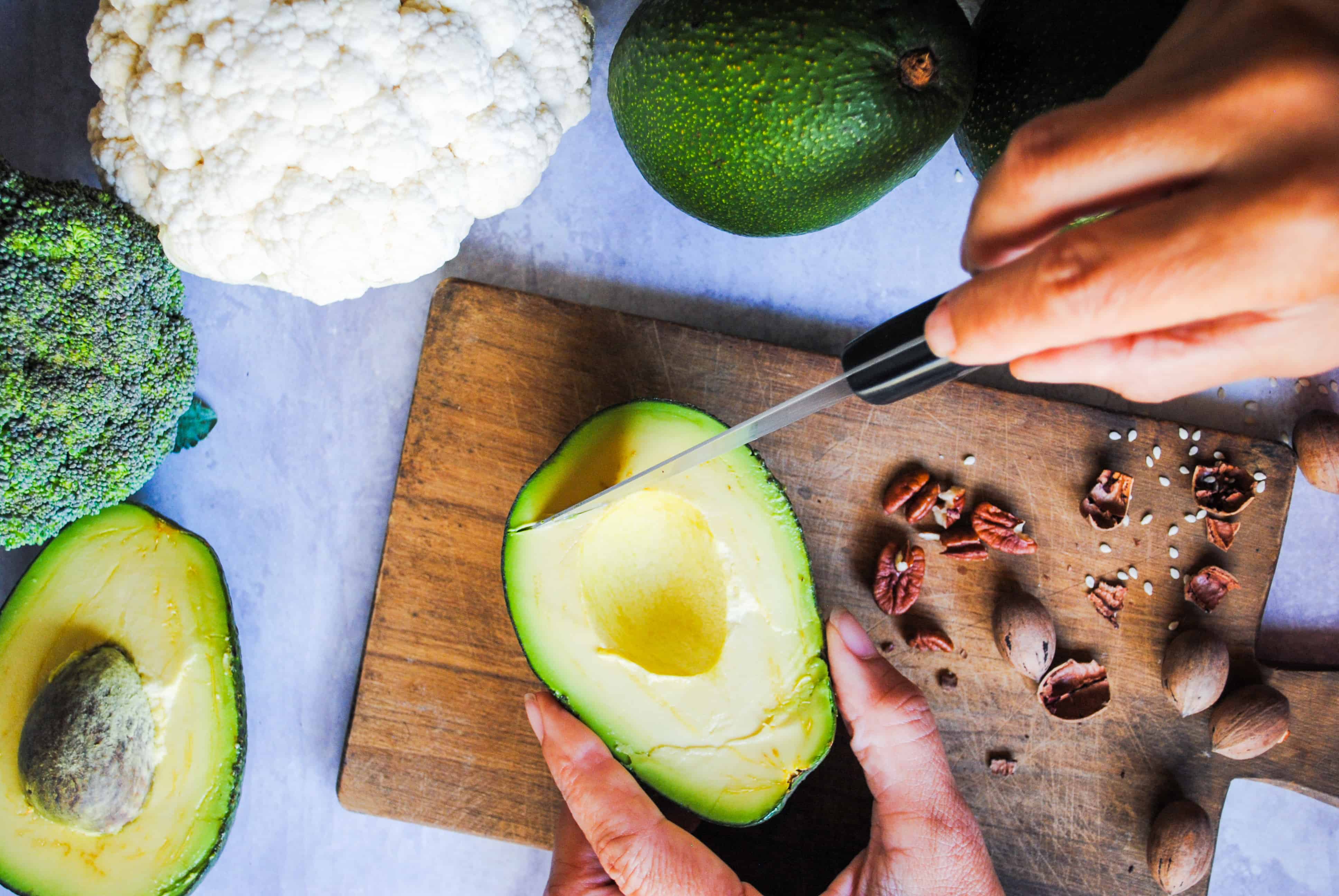
Why Your Gut Microbiome Needs Fiber
(Even on Low-Carb)
Here’s the truth: your gut bacteria don’t eat the food you eat—they eat what’s left over after you digest it. And what’s left over is primarily fiber.
When you eat fiber-rich foods, certain types of dietary fiber reach your colon intact (because your body can’t digest them). That’s where your gut bacteria ferment these fibers, breaking them down into beneficial compounds called short-chain fatty acids (SCFAs)—primarily butyrate, propionate, and acetate.
Why Butyrate Matters
Butyrate is the primary fuel source for your colonocytes (the cells lining your colon). Without adequate butyrate:
Your intestinal barrier weakens (hello, leaky gut)
Inflammation increases
Gut motility slows down
Your immune system becomes dysregulated
Beneficial bacteria decline
The bacteria that produce butyrate—like Faecalibacterium prausnitzii, Roseburia, and Eubacterium species—rely on specific prebiotic fibers to thrive. When you remove fiber from your diet (even accidentally), these protective species decline.
The Low-Carb Dilemma
Many people who go low-carb remove grains, legumes, and starchy vegetables (good moves for blood sugar and inflammation). But they also accidentally eliminate non-starchy vegetables, nuts, seeds, and low-sugar fruits—foods that provide essential prebiotic fibers without the carb load.
The result? Their gut bacteria starve, beneficial species decline, and they develop new gut issues despite eating “clean.”
The Solution
Choose high fiber, low carb foods that feed beneficial bacteria without spiking blood sugar. Focus on:
Non-starchy vegetables (cruciferous vegetables, leafy greens, etc.)
Nuts and seeds (especially flax, chia, and certain tree nuts)
Low-sugar fruits (berries, avocados)
Prebiotic-rich foods that specifically feed butyrate-producing bacteria
The 27 High Fiber Low Carb Foods
Now let’s look at 27 foods that provide fiber your microbiome needs while keeping your carbohydrate intake low. We’ve organized them by category and included the fiber-to-carb ratio so you can make informed choices.
High Fiber Low Carb Vegetables
1. Build Better Bones with Mustard Greens

Fiber to Carb Ratio/100g: 3.2g : 4.7g
This peppery-tasting green is a powerhouse of nutrition. Their high fiber content feeds beneficial bacteria and keeps you regular. They’re also very high in antioxidants, which your body uses to fight free radical damage that can lead to premature ageing.
But the main attraction for mustard greens is their high vitamin K content. A serving provides 524% of your daily recommended intake for this bone-building vitamin.
How to use them: Due to their stronger flavour profile, mustard greens pair well with milder ingredients like celery, onions, turkey, and chicken. Sauté them with olive oil and garlic as a simple side dish.
2. Prevent Heart Disease with Chicory
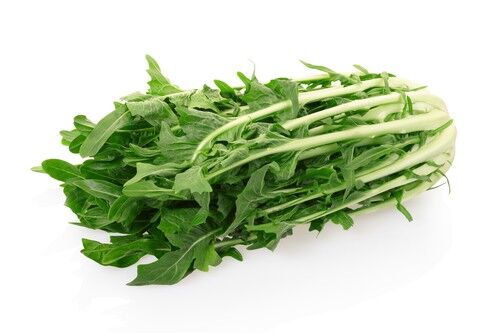
Fiber to Carb Ratio/100g: 4g : 4.7g
Chicory has two popular uses for low-carb eaters: as a sweetener and as a coffee alternative.
Why it’s great for your gut: Chicory is exceptionally high in inulin—a prebiotic fiber that feeds beneficial bacteria in your colon. Inulin acts as food for species like Bifidobacterium and Faecalibacterium, which produce butyrate and support gut barrier integrity.
The inulin in chicory also reduces LDL (“bad”) cholesterol levels, helping prevent atherosclerosis and plaque buildup in your arteries.
3. Grow Luscious Hair with Endive

Fiber to Carb Ratio/100g: 3.1g : 3.4g
If you suffer from dry, damaged hair that no amount of conditioning can fix, increase your endive consumption.
Gut benefit: Like chicory, endive contains inulin that feeds beneficial bacteria. Healthy gut bacteria produce B vitamins (including biotin) that support hair, skin, and nail health.
Endive is also packed with vitamin A (for scalp oil balance) and vitamin E (for hair growth via increased blood circulation to the scalp).
4. Detox Your Body with Collard Greens
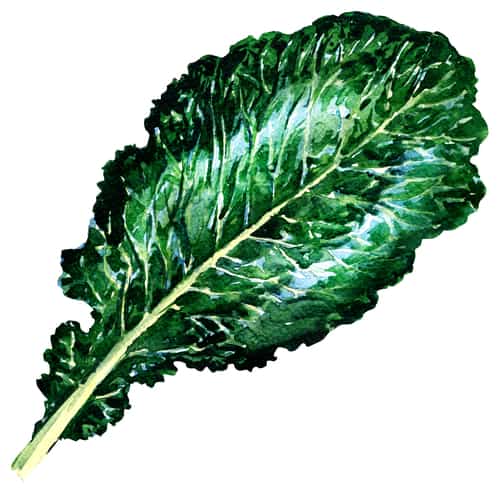
Fiber to Carb Ratio/100g: 4g : 5g
Collard greens work as a great low-carb alternative to bread in your wraps while providing powerful detoxification benefits.
Gut benefit: Collard greens are high in fiber that feeds beneficial bacteria. They also contain isothiocyanates (ITCs), compounds that activate detoxification enzymes and help remove toxins at the cellular level—protecting your gut lining from damage.
5. Support Your Thyroid with Spinach
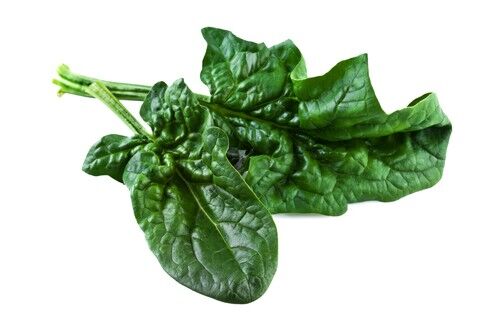
Fiber to Carb Ratio/100g: 2.2g : 3.6g
Don’t let childhood memories of canned spinach prevent you from enjoying this nutritious, low-carb vegetable.
Gut benefit: Spinach provides fiber that supports beneficial bacteria while also supplying iodine for thyroid function (important for metabolism). The magnesium in spinach also supports gut motility and helps prevent constipation.
Tip: Add a healthy fat like olive oil, coconut oil, or avocado to help your body digest the oxalates in spinach and absorb fat-soluble vitamins.
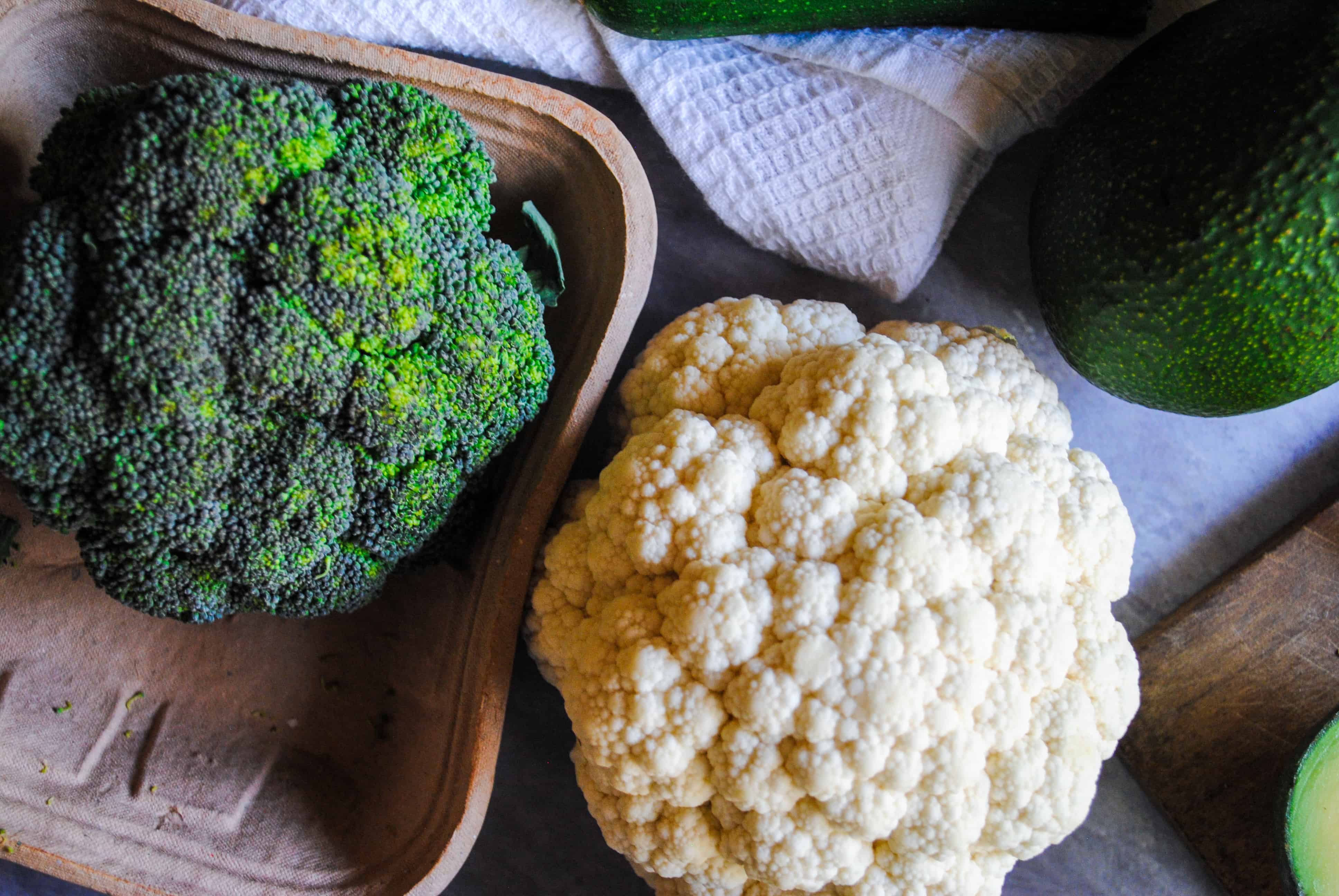
6. Protect Your Skin with Broccoli

Fiber to Carb Ratio/100g: 2.6g : 7g
Roasted with coconut oil and sea salt, broccoli is both tasty and highly nutritious.
Gut benefit: Broccoli is a cruciferous vegetable containing sulforaphane—a compound that supports detoxification pathways and reduces gut inflammation. The fiber in broccoli feeds butyrate-producing bacteria like Faecalibacterium prausnitzii.
Broccoli is also high in glucoraphanin, a phytonutrient that protects skin from UV damage, wrinkles, and age spots.
7. Fix Your Leaky Gut with Brussels Sprouts
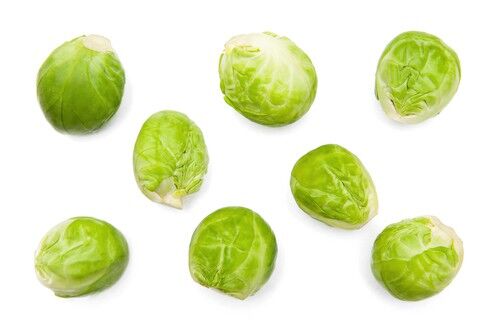
Fiber to Carb Ratio/100g: 3.8g : 9g
Do you suffer from gas, bloating, brain fog, or indigestion?
Gut benefit: Brussels sprouts are one of the best vegetables for gut healing. They contain:
Sulforaphane — Prevents bacterial overgrowth
Glucosinolates — Protect gut lining integrity
Fiber — Feeds beneficial bacteria that produce butyrate
These compounds work together to strengthen your intestinal barrier and reduce inflammation.
8. Control Blood Sugar with Artichokes
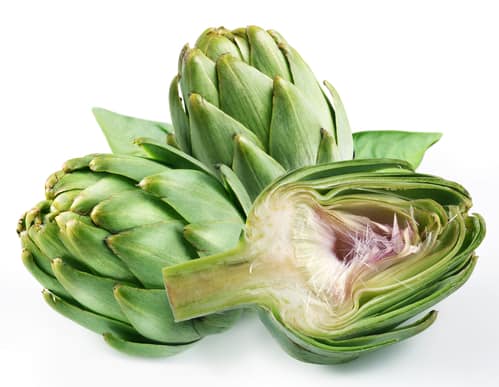
Fiber to Carb Ratio/100g: 3.8g : 9g
Traditionally used as a liver tonic and hangover cure, artichokes also help manage blood sugar levels.
Gut benefit: Artichokes are exceptionally high in inulin—one of the most effective prebiotic fibers for feeding beneficial bacteria. The fiber slows sugar absorption, preventing blood sugar spikes and dips.
9. Prevent UTIs with Asparagus
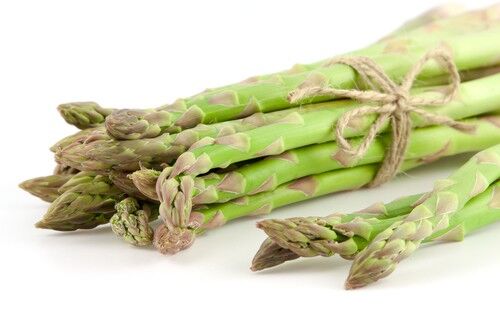
Fiber to Carb Ratio/100g: 2.1g : 3.9g
You may know about the pungent odour asparagus causes in urine—but did you know it benefits your urinary tract?
Gut benefit: Asparagus contains inulin that feeds beneficial bacteria. It’s also a natural diuretic, helping flush out bad bacteria from the urinary tract and preventing UTIs.
10. Protect Your Eyes with Bok Choy
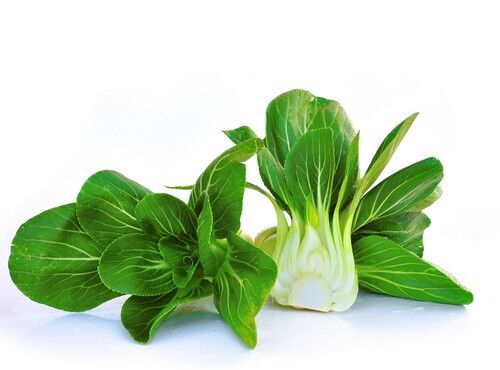
Fiber to Carb Ratio/100g: 1g : 2.2g
While carrots are famous for eye health, bok choy provides similar beta-carotene benefits without the high carb count.
Gut benefit: The fiber in bok choy supports beneficial bacteria while the beta-carotene protects against macular degeneration, cataracts, and helps improve vision in low light.
11. Prevent Cancer with Cauliflower

Fiber to Carb Ratio/100g: 2g : 5g
This innocuous-looking vegetable is powerful in preventing cancer—including breast, colon, liver, lung, and stomach cancers.
Gut benefit: Cauliflower contains glucosinolates (you can tell by the sulphur smell when cooked), which help repair DNA and slow the growth of mutated cells. The fiber feeds beneficial bacteria that produce anti-inflammatory compounds.
12. Prevent Asthma with Zucchini

Fiber to Carb Ratio/100g: 1g : 3.1g
Making lasagne with zucchini instead of grain-based noodles is tasty and supports lung health.
Gut benefit: Zucchini provides fiber for beneficial bacteria while its high vitamin C content supports immune function. A strong immune system fights respiratory infections, and anti-inflammatory properties keep lungs open.
Try: “Zoodles” (zucchini noodles) as a low-carb pasta alternative.
13. Beat Muscle Cramps with Swiss Chard
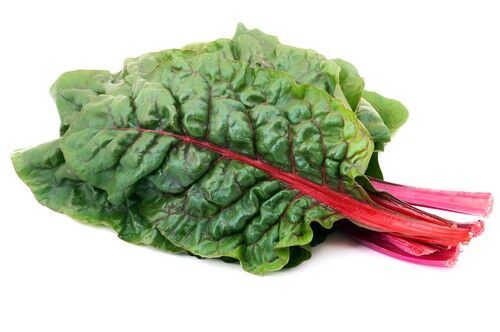
Fiber to Carb Ratio/100g: 1.6g : 3.7g
If you wake up with painful muscle cramps—especially when transitioning to low-carb eating—increase your swiss chard intake.
Gut benefit: Swiss chard provides fiber for gut bacteria plus magnesium, potassium, and calcium that reduce muscle cramps. One cup of cooked swiss chard provides 38% of your daily magnesium needs.
14. Treat Osteoarthritis with Radishes

Fiber to Carb Ratio/100g: 1.6g : 3.4g
If your knees creak and hips ache, add radishes to your diet.
Gut benefit: Radishes provide fiber for beneficial bacteria while their high vitamin C content supports collagen production. Collagen makes up the cartilage that cushions joints, helping prevent osteoarthritis progression.
15. Prevent Signs of Ageing with Romaine Lettuce (Cos)

Fiber to Carb Ratio/100g: 2.1g : 3.3g
Whether in caesar salad or as the base for low-carb tacos, romaine lettuce (cos) supports a youthful complexion.
Gut benefit: Provides fiber for gut bacteria while vitamins C and A work together to prevent skin damage. Vitamin C produces collagen, creating firm, elastic skin associated with youth.
High Fiber Low Carb Nuts & Seeds
16. Give Your Brain a Boost with Flax Seeds
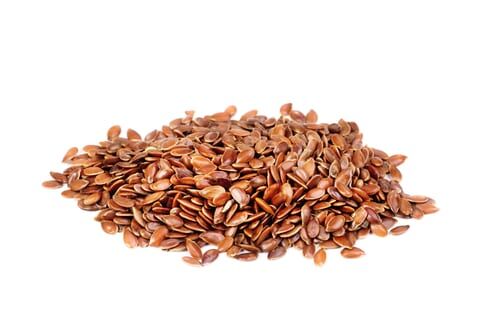
Fiber to Carb Ratio/100g: 27g : 29g
Your brain is 60% fat—so you need high-quality fats to keep it functioning optimally.
Gut benefit: Flax seeds are exceptionally high in fiber (including mucilage) that feeds beneficial bacteria and supports regular bowel movements. They’re also rich in omega-3 ALA (alpha-linolenic acid), which supports brain structure and function.
17. Build Muscle with Chia Seeds
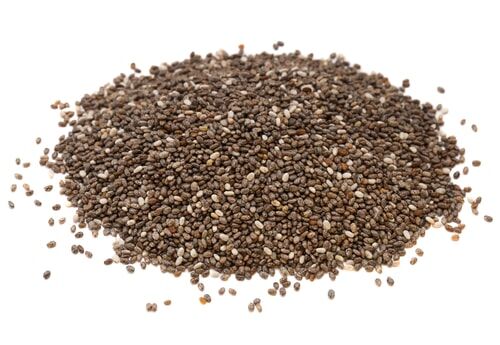
Fiber to Carb Ratio/100g: 34g : 42g
You don’t need huge amounts of meat to get protein—chia seeds are one of the best plant-based protein sources.
Gut benefit: Chia seeds are the highest fiber food on this list. Their soluble fiber forms a gel that feeds beneficial bacteria and supports gut motility. They’re also rich in minerals (calcium, magnesium, manganese) needed during exercise.
18. Reduce Blood Pressure with Sesame Seeds
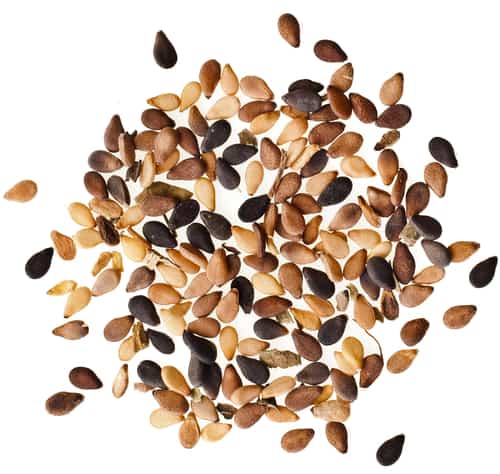
Fiber to Carb Ratio/100g: 12g : 23g
If you run hot-tempered and have high blood pressure, fiber-rich sesame seeds can help reduce systolic blood pressure.
Gut benefit: Sesame seeds provide fiber for beneficial bacteria. Black sesame seeds are particularly effective at lowering blood pressure.
19. Support Your Immune System with Pumpkin Seeds
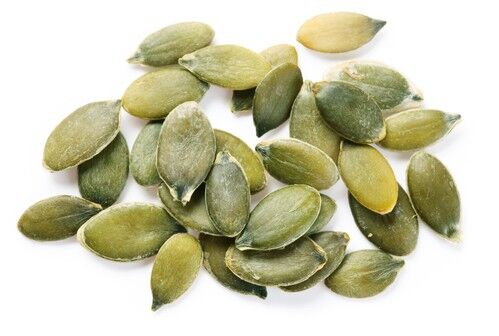
Fiber to Carb Ratio/100g: 18g : 54g
Sprinkled on salads or eaten by the handful, pumpkin seeds support immune function.
Gut benefit: Pumpkin seeds provide fiber for gut bacteria while their high zinc content supports immune function, sleep, mood, and insulin regulation. Only ¼ cup provides 23% of your daily zinc needs.
20. Reduce Inflammation with Pecans
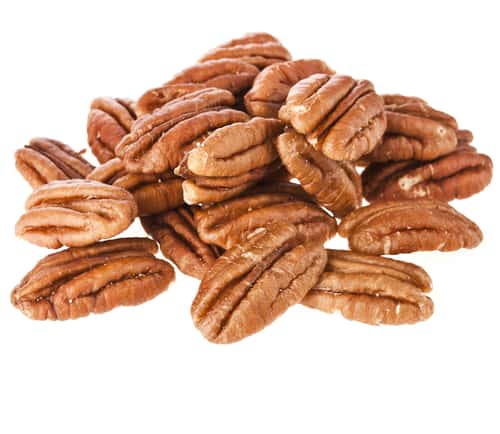
Fiber to Carb Ratio/100g: 10g : 14g
Inflammation is the root cause of many diseases—heart disease, asthma, Crohn’s disease, arthritis.
Gut benefit: Pecans provide fiber for beneficial bacteria while their high manganese content activates SOD (superoxide dismutase)—an antioxidant that reduces inflammation. The copper and magnesium in pecans also have anti-inflammatory benefits.
21. Boost Your Metabolism with Hazelnuts

Fiber to Carb Ratio/100g: 10g : 17g
If you’ve dieted for decades and your metabolism is barely crawling, hazelnuts can help.
Gut benefit: Hazelnuts provide fiber for gut bacteria while thiamine and manganese support metabolism. Thiamine helps produce red blood cells for energy, and manganese converts carbohydrates into usable fuel.
22. Heal Faster with Almonds

Fiber to Carb Ratio/100g: 12g : 22g
For healing wounds, your body needs proper nutrition and building blocks for new tissue.
Gut benefit: Almonds provide fiber for beneficial bacteria while vitamin E and healthy fats nourish skin, improve circulation, and support wound healing.
23. Burn More Fat with Coconut

Fiber to Carb Ratio/100g: 9g : 15g
The old adage “the fat you eat is the fat you wear” has been proven false.
Gut benefit: Coconut provides fiber for beneficial bacteria while its medium-chain triglycerides (MCTs) increase calorie burning compared to other fats. MCTs are also antimicrobial, helping control opportunistic bacteria.
High Fiber Low Carb Fruit
24. Get Beautiful Skin with Avocados
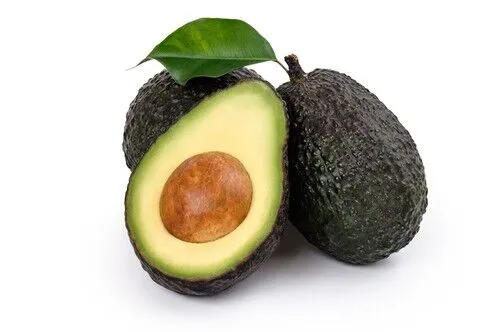
Fiber to Carb Ratio/100g: 7g : 9g
Don’t just use avocados in face masks—eat them for full beautifying benefits.
Gut benefit: Avocados provide fiber that feeds beneficial bacteria while their polyunsaturated fats protect skin from sun damage. Monounsaturated fats keep skin moist and supple, preventing premature wrinkles.
25. Have Pain-Free Menstrual Cycles with Blackberries

Fiber to Carb Ratio/100g: 5g : 10g
Instead of reaching for ice cream before your period, stock up on blackberries.
Gut benefit: Blackberries provide fiber for beneficial bacteria while vitamin K regulates hormone levels and reduces cramping. Vitamin K also helps with blood clotting, beneficial if you have heavy cycles.
26. Improve Fertility with Raspberries

Fiber to Carb Ratio/100g: 7g : 12g
With high-stress lifestyles and nutrient-poor diets, infertility is increasing.
Gut benefit: Raspberries provide fiber for gut bacteria while vitamin C and magnesium protect sperm health, promote conception, and reduce miscarriage risk.
27. Improve Circulation with Mulberries
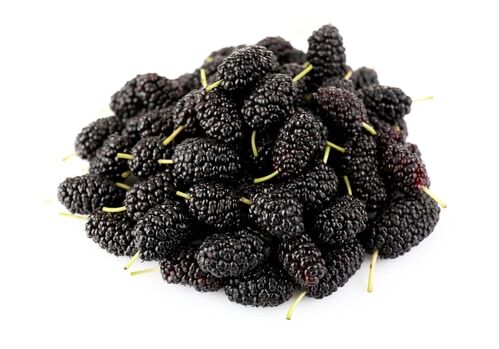
Fiber to Carb Ratio/100g: 1.7g : 10g
You need iron to build red blood cells, which distribute oxygen to tissues and organs.
Gut benefit: Mulberries provide fiber for beneficial bacteria while supplying unusual amounts of iron for a fruit—important for good circulation and preventing anaemia.
Book Your Free Evaluation Call

Finding the Right Balance for Your Gut
These 27 high fiber, low carb foods provide the prebiotic fibers your beneficial bacteria need without the carb load that spikes blood sugar or triggers symptoms.
But here’s what most people don’t realise: eating the right foods is only part of the equation.
If you’ve been eating well for months but still experience bloating, irregular bowel movements, fatigue, or other gut-related symptoms, the problem isn’t your diet—it’s what’s happening in your microbiome.
Our AIM Method identifies which bacterial species are depleted (like F. prausnitzii), which are overgrown, and creates a personalised protocol to restore balance. Testing shows exactly what your gut needs—not guesswork based on symptoms alone.
Book Your Free Evaluation Call
When Diet Alone Isn’t Enough
When Eating Well Still Isn’t Enough: Why Your Gut Symptoms Persist
You’re doing everything right. You’ve eliminated inflammatory foods, you’re eating plenty of these high fiber, low carb foods, and you’re avoiding sugar and processed carbohydrates. But you’re still experiencing:
Bloating after meals
Irregular bowel movements (constipation, diarrhoea, or both)
Fatigue that doesn’t match your sleep quality
Skin issues (acne, eczema, rashes)
Brain fog or difficulty concentrating
Food sensitivities that seem to be multiplying
Here’s what you need to understand: diet can support a healthy microbiome, but it can’t always restore an imbalanced one.
Why Diet Isn’t Always Enough
1. You Don’t Know Which Bacteria Are Missing
Eating fiber feeds beneficial bacteria—but only if you have those bacteria in the first place. If your Faecalibacterium prausnitzii levels are severely depleted (common after antibiotics, infections, or chronic stress), eating inulin-rich foods won’t rebuild that population quickly enough.
You need targeted interventions—specific probiotics or prebiotics—to restore depleted species. Without testing, you’re guessing.
2. Opportunistic Bacteria May Be Overgrown
You might be eating perfectly, but if you have bacterial overgrowth (SIBO), fungal overgrowth (Candida), or elevated inflammatory species like Klebsiella or Proteus, those organisms will continue producing inflammatory compounds regardless of your diet.
Some bacteria produce histamine, lipopolysaccharides (LPS), or other metabolites that trigger symptoms. Dietary changes alone can’t eliminate established overgrowths—you need targeted antimicrobials.
3. Your Gut Barrier May Be Compromised
If you have leaky gut (increased intestinal permeability), eating anti-inflammatory foods helps—but healing the barrier requires more than diet. You need specific nutrients (L-glutamine, zinc carnosine, butyrate), targeted probiotics (Akkermansia muciniphila, Lactobacillus plantarum), and potentially elimination of foods triggering immune responses.
Without testing, you don’t know if your gut barrier is compromised or which interventions will repair it most effectively.
4. You’re Feeding the Wrong Bacteria
Not all fiber is created equal. Different bacterial species prefer different fiber types:
Bifidobacterium thrives on inulin (chicory, artichokes)
Faecalibacterium prefers resistant starch and pectin
Akkermansia feeds on mucin (found in your gut lining)
If you’re eating fiber that feeds opportunistic bacteria instead of beneficial ones, you might actually make things worse. Testing reveals which species need support and which fibers to prioritise.
What Testing Reveals
When Victoria reviews comprehensive metagenomic test results, she identifies:
Depleted beneficial species (F. prausnitzii, Akkermansia, Bifidobacterium, butyrate-producers)
Elevated inflammatory bacteria (Klebsiella, Proteus, Enterobacter, sulfate-reducing bacteria)
Fungal overgrowth (Candida species that standard tests miss)
Parasites (often missed by standard stool tests)
Functional capacity (is your microbiome producing butyrate? Degrading histamine? Synthesising vitamins?)
This information allows Amanda to create a targeted protocol:
Specific antimicrobials for overgrowths
Targeted probiotics for depleted species
Particular prebiotic fibers for your bacterial profile
Gut barrier repair protocols
Dietary modifications based on YOUR bacterial balance
The Bottom Line
If you’ve been eating high fiber, low carb, anti-inflammatory foods for 3+ months and still have symptoms, the problem isn’t your effort—it’s that you’re working blind.
Testing shows exactly what’s happening in your gut, which species need support, and which interventions will actually work for YOUR microbiome.
Book Your Free Evaluation Call
Ready to Stop Guessing and Get Real Answers?
If you’ve been eating well but still struggling with gut symptoms, it’s time to find out what’s actually happening in your microbiome.
At Prana Thrive, we don’t just give you dietary advice and send you on your way. We use our AIM Method to identify bacterial imbalances and create personalised protocols that restore gut health:
Analyse — Comprehensive metagenomic testing reveals which beneficial bacteria are depleted, which inflammatory species are elevated, and your gut’s functional capacity. Reviewed by Victoria (our in-house microbiologist) and Amanda (who has personally analysed over 2,000 microbiome tests).
Integrate — A personalised protocol designed specifically for YOUR bacterial imbalances. Not generic advice—targeted antimicrobials, specific probiotics, particular prebiotic fibers, gut barrier repair, and dietary modifications based on your test results.
Monitor — Ongoing support with regular check-ins, protocol adjustments, and retesting to ensure you achieve lasting results. We work with you for 3–6 months (sometimes longer) until your gut is healed.
This isn’t guesswork. It’s precision.
We’ve helped over 2,000 clients restore their gut health using this approach. Many came to us after years of eating well but still experiencing symptoms—because diet alone wasn’t enough to restore their bacterial balance.
Book a free 15-minute evaluation call to discuss your symptoms, health history, and whether our approach is right for you.
We work with a limited number of clients each month to ensure everyone receives personalised attention. If you’re ready to stop guessing and get real answers about what’s happening in your gut, book your call now.
Book Your Free Evaluation Call
No pressure. No obligation. Just clarity on whether testing and personalised protocols could finally resolve your gut issues.
Q: Can I get enough fiber on a ketogenic or very low-carb diet?
A: Yes—if you choose the right foods. The 27 foods in this article provide substantial fiber without high carbohydrate loads. Focus on non-starchy vegetables (leafy greens, cruciferous vegetables), low-carb nuts and seeds (flax, chia, almonds), and low-sugar fruits (avocados, berries). Most people on ketogenic diets need 25–35g of fiber daily, which is achievable with strategic food choices.
Q: Why do I feel worse when I add more fiber to my diet?
A: If fiber worsens your symptoms, you likely have bacterial overgrowth (SIBO) or dysbiosis. The fiber you're eating is feeding opportunistic bacteria rather than beneficial ones, causing gas, bloating, and discomfort. This is common with SIBO—where bacteria in the small intestine ferment fiber, producing excessive gas. Testing identifies which bacteria are overgrown and which fiber types to avoid temporarily while addressing the overgrowth.
Q: What's the difference between soluble and insoluble fiber?
A: Soluble fiber dissolves in water, forming a gel that slows digestion and feeds beneficial bacteria (examples: chia seeds, flax seeds, avocados). Insoluble fiber doesn't dissolve and helps move food through your digestive tract (examples: leafy greens, cruciferous vegetables). Both types are important—soluble fiber feeds bacteria, insoluble fiber supports motility. Most fiber-rich foods contain both types.
Q: Should I avoid fiber if I have IBS or gut issues?
A: Not necessarily—but you may need to adjust which fibers you eat. Some fibers (like those in beans, onions, garlic) are high FODMAP and can worsen IBS symptoms. Other fibers (like those in spinach, zucchini, bok choy) are low FODMAP and better tolerated. If you have SIBO, you may need to reduce fiber temporarily while treating the overgrowth, then gradually reintroduce it. Testing shows whether bacterial overgrowth is driving your symptoms.
Q: Can fiber help with constipation?
A: Yes—but only if you're drinking enough water and don't have bacterial imbalances causing the constipation. Fiber adds bulk to stool and feeds bacteria that produce butyrate (which stimulates gut motility). However, if constipation is caused by low Akkermansia, depleted butyrate-producers, or slow transit time from other causes, adding fiber alone won't resolve it. You need to address the root cause.
Q: How much fiber should I eat per day?
A: Most adults need 25–35g of fiber daily. On a low-carb or ketogenic diet, you can achieve this by eating generous portions of non-starchy vegetables (6–8 cups daily), including nuts/seeds (2–3 servings), and choosing low-carb fruits like avocados and berries. If you're currently eating very little fiber, increase gradually to avoid digestive discomfort.
Q: Why does my gut test matter if I'm already eating these foods?
A: Because eating fiber only helps if you have the right bacteria to ferment it. If your Faecalibacterium prausnitzii levels are depleted, eating inulin-rich foods won't rebuild that population quickly enough—you need targeted probiotics. If you have Candida overgrowth, some fibers will feed the fungus rather than beneficial bacteria. Testing shows which species need support and which interventions will actually work for YOUR microbiome.
Q: Can I eat too much fiber?
A: Yes—excessive fiber (especially if increased too quickly) can cause bloating, gas, cramping, and even constipation. Start with smaller amounts and increase gradually to allow your gut bacteria to adapt. If you have SIBO or bacterial overgrowth, even normal amounts of fiber can cause symptoms—this indicates you need to address the overgrowth before increasing fiber intake.