E. coli Nissle 1917 (Mutaflor)
A Powerful Probiotic Strain for Gut Health


Author:
Amanda Ledwith, BHSc Naturopathy
Last Updated:
Reading Time:
XX min
Categories:
Probiotics & Bacteria
mutaflor
What You'll Learn
Not all E. coli strains are created equal. E. coli Nissle 1917 (sold as Mutaflor) is a beneficial, non-pathogenic strain discovered over 100 years ago in WWI trenches—and it's one of the most intensively studied probiotic bacteria today.
Research shows E. coli Nissle 1917 can help with:
IBD (ulcerative colitis & Crohn's disease) — As effective as standard medication for maintaining remission
IBS — Reduces bloating, pain, and digestive symptoms
Leaky gut — Strengthens intestinal barrier and enhances mucosal integrity
Chronic constipation — Increases stool frequency without side effects
Serotonin production — Converts tryptophan to serotonin, supporting mood and sleep
But here's what most people don't realise: Taking Mutaflor blindly—without knowing your current E. coli levels—means you're guessing. Some people have adequate beneficial E. coli and need different strains entirely. Others have depleted E. coli and will benefit enormously from Mutaflor. Testing shows which probiotics YOUR gut actually needs.
Introduction
When it comes to E. coli, not all strains are created equal. Most of us associate E. coli with food poisoning and contaminated water—pathogenic strains that cause serious illness. But one particular strain, E. coli Nissle 1917, is actually a powerful probiotic that can help promote a healthy gut.
As a naturopath who has worked with over 2,000 clients struggling with digestive issues, I understand how miserable gut problems can be. What’s more frustrating is taking probiotics for months without improvement—because you’re taking the wrong strain for your specific bacterial imbalances.
In this article, I’ll explain what E. coli Nissle 1917 is, how it was discovered, what makes it different from pathogenic E. coli strains, and most importantly—how to know if it’s the right probiotic for YOU.
Because here’s the truth: Mutaflor is powerful, but it’s not right for everyone. Some people desperately need this strain. Others have adequate E. coli levels and need different bacterial species entirely. Without testing, you’re guessing.
Let’s start with the fascinating story of how this probiotic was discovered.
The Discovery of E. coli Strain Nissle 1917 (Mutaflor)
This story began in the early part of the last century. E. coli strain Nissle 1917 was first discovered in 1917 during World War I in Dobrudja, a region in the Balkans where armies from Russia and Romania were fighting the Central Powers.
The area was a battlefield heavily contaminated with enteric pathogens—microbes that affect the intestine and make people sick. Not an ideal situation when soldiers needed to be fighting fit.
The German army was hit hard by intestinal infections. When physician and bacteriologist Alfred Nissle arrived, they welcomed him with open arms. At this point in time, there were no antibiotics available to treat patients.
Nissle examined both sick and healthy patients, taking stool samples from each. With E. coli, some strains provide beneficial effects while others can make a person very sick.
As Nissle continued collecting stool samples from soldiers, one man caught his attention: a non-commissioned officer who, despite others around him falling sick, remained healthy.
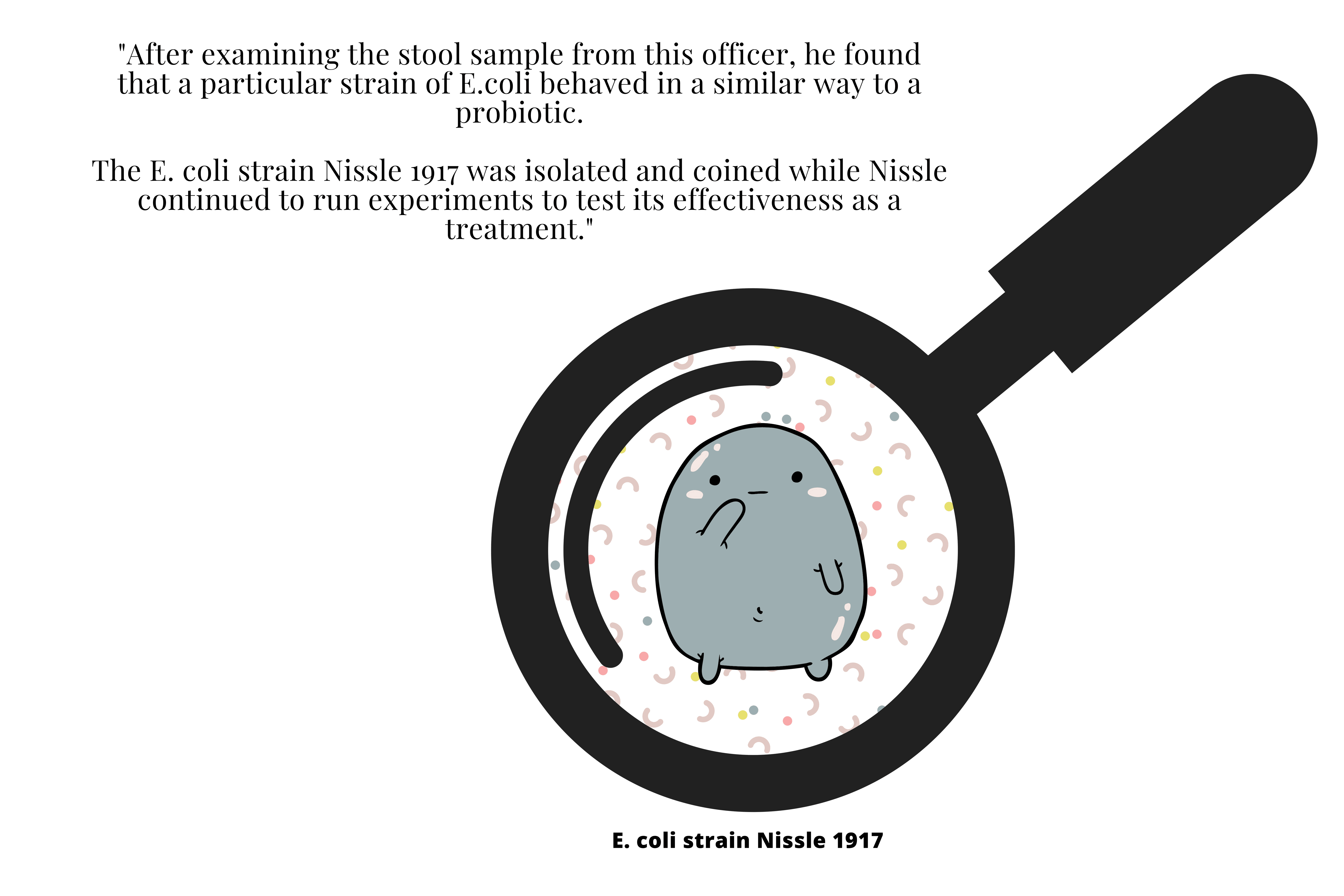
After examining the stool sample from this officer, Nissle found that a particular strain of E. coli behaved similarly to a probiotic—it protected against pathogenic bacteria without causing illness.
E. coli strain Nissle 1917 was isolated and named. Nissle continued running experiments to test its effectiveness as a treatment. The professor grew the strain in his lab, then tested it on himself by taking two capsules—luckily producing no side effects.
In the same year as the discovery, Nissle began manufacturing the strain under the trade name Mutaflor, meaning “flora-changing.”
The fascinating story of a powerful probiotic that started its life in the trenches of the Balkans during World War I isn’t a tale you’re likely to hear again! Thanks to Nissle’s discovery, it’s probably one of the most intensively investigated bacterial strains today.
Characteristics of E. coli Strain Nissle 1917 (Mutaflor)
Probiotics are non-pathogenic living microorganisms that offer numerous health benefits when consumed. Non-pathogenic organisms don’t cause harm or disease to any other living thing.
So, what makes E. coli strain Nissle 1917 different from other strains?
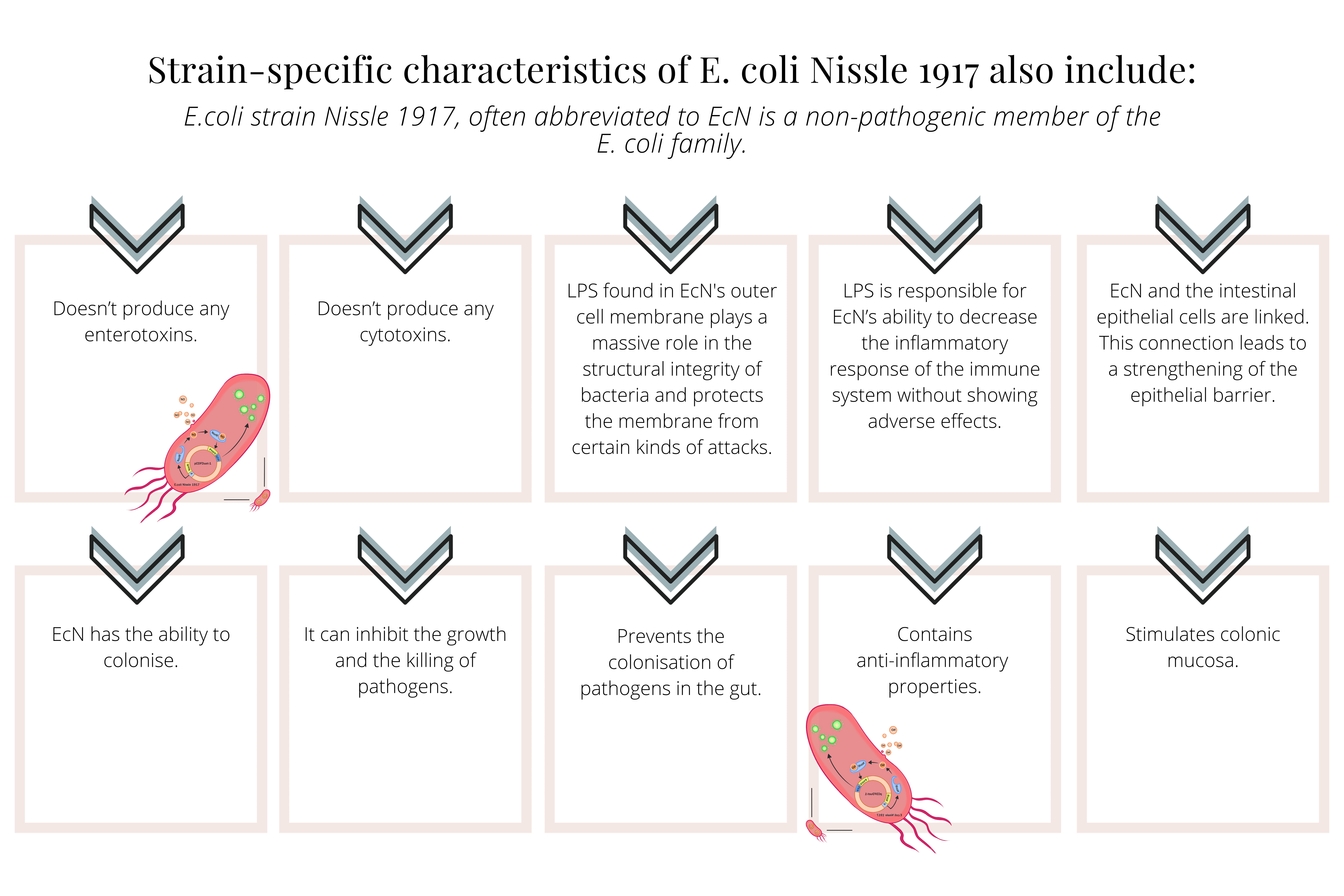
E. coli strain Nissle 1917 (often abbreviated to EcN) is a non-pathogenic member of the E. coli family. EcN doesn’t produce any enterotoxins or cytotoxins—toxins that some microorganisms produce that can cause gastrointestinal symptoms.
EcN has special characteristics that differentiate it from harmful strains of E. coli. These features are thought to be important for its probiotic activities.
Key Structural Differences
1. Unique Lipopolysaccharide (LPS) Structure
One specific characteristic of EcN is a particular lipopolysaccharide (LPS) in its outer cell membrane. LPS plays a massive role in the structural integrity of bacteria and protects the membrane from certain kinds of attacks.
In the case of EcN, this LPS is responsible for its ability to decrease the inflammatory response of the immune system without showing adverse effects—unlike pathogenic E. coli strains that trigger severe inflammation.
2. Strengthens Intestinal Barrier
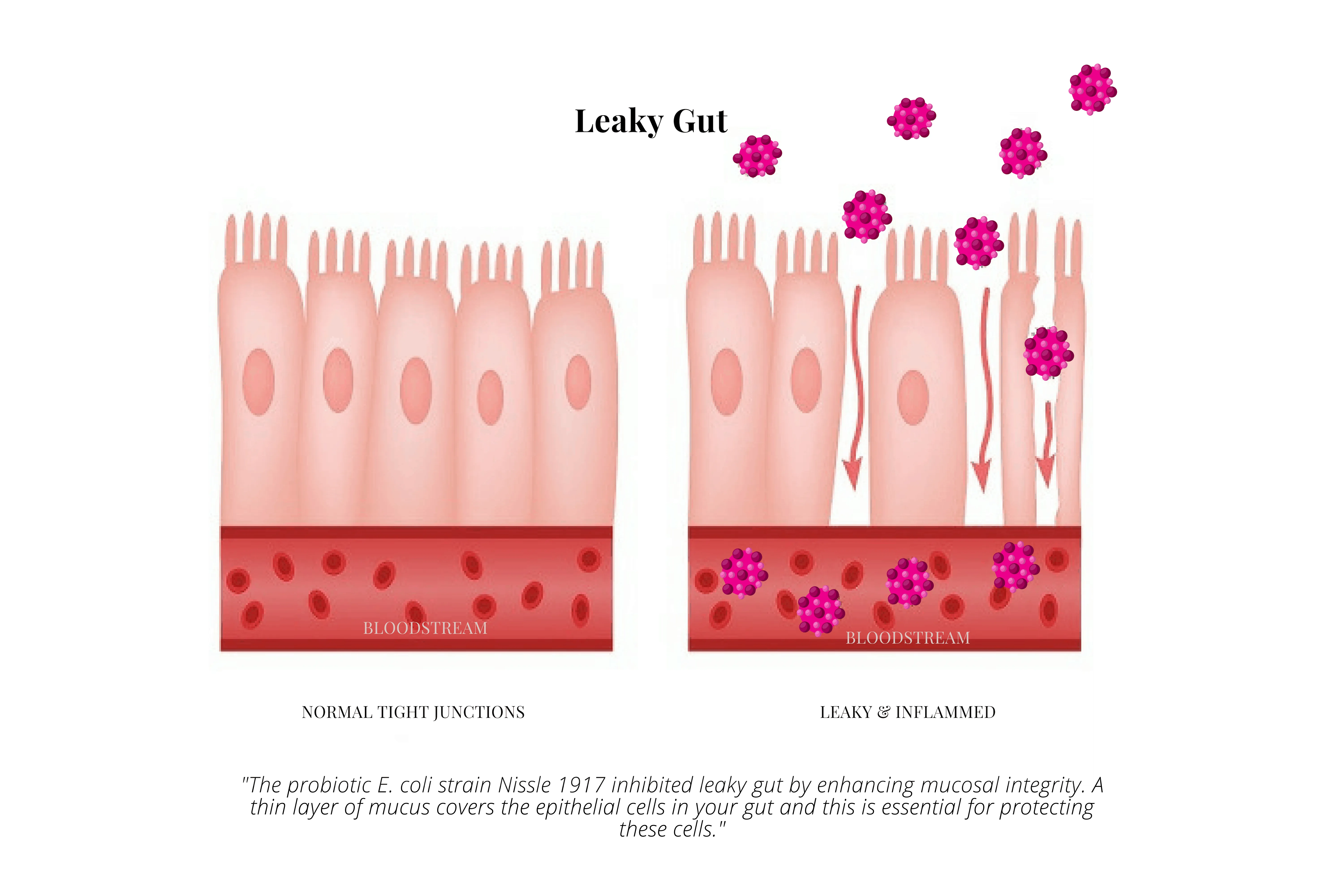
Another important characteristic is the connection between EcN and intestinal epithelial cells. This connection leads to strengthening of the epithelial barrier and repair of “leaky gut” phenomena.
Epithelial cells are cells that line the surface of your body and can be found on your skin, urinary tract, blood vessels, and organs. In the gut, these cells form the barrier between your intestinal contents and your bloodstream.
Strain-Specific Characteristics of E. coli Nissle 1917
Colonisation ability — Can establish itself in the gut
Inhibits pathogenic bacteria — Kills harmful E. coli and other pathogens
Prevents pathogen colonisation — Competes for nutrients, blocking harmful bacteria from taking hold
Anti-inflammatory properties — Reduces gut inflammation without triggering immune reactions
Stimulates colonic mucosa — Supports the protective mucus layer in the colon
EcN is thought to aid a disturbed gut barrier by stimulating production of epithelial defensin. Defensins play an important role in host defence and can kill bacteria in several ways. They’re produced by blood and tissue cells.
In addition, products of EcN metabolism may be helpful in treating patients with chronic constipation. Studies have shown that EcN may be therapeutically effective in a variety of conditions including ulcerative colitis, diarrhoea, and chronic constipation.
E. coli strain Nissle 1917 is characterised by features that set it apart from the rest of its family members. As a potent probiotic, it works to promote digestive health.
🔬 VICTORIA’S EXPERT INSIGHT
“When I review metagenomic test results, I pay close attention to E. coli patterns - because not all E. coli is the same. Some clients have pathogenic strains like AIEC (Adherent-Invasive E. coli) that invade intestinal cells and drive Crohn’s disease inflammation. Others have depleted beneficial E. coli entirely. E. coli Nissle 1917 is unique because it competes with pathogenic E. coli for nutrients and colonisation sites - essentially crowding out the harmful strains. It also strengthens tight junctions between epithelial cells, reducing intestinal permeability. But here’s the critical point: I only recommend Mutaflor when testing shows depleted beneficial E. coli or elevated pathogenic strains. If someone already has adequate beneficial E. coli, they need different bacterial species - like Faecalibacterium prausnitzii or Akkermansia muciniphila. Taking Mutaflor blindly means you might be supporting bacteria you don’t need while ignoring species that are severely depleted.”
- Victoria, Microbiologist
What Does Mutaflor Do?
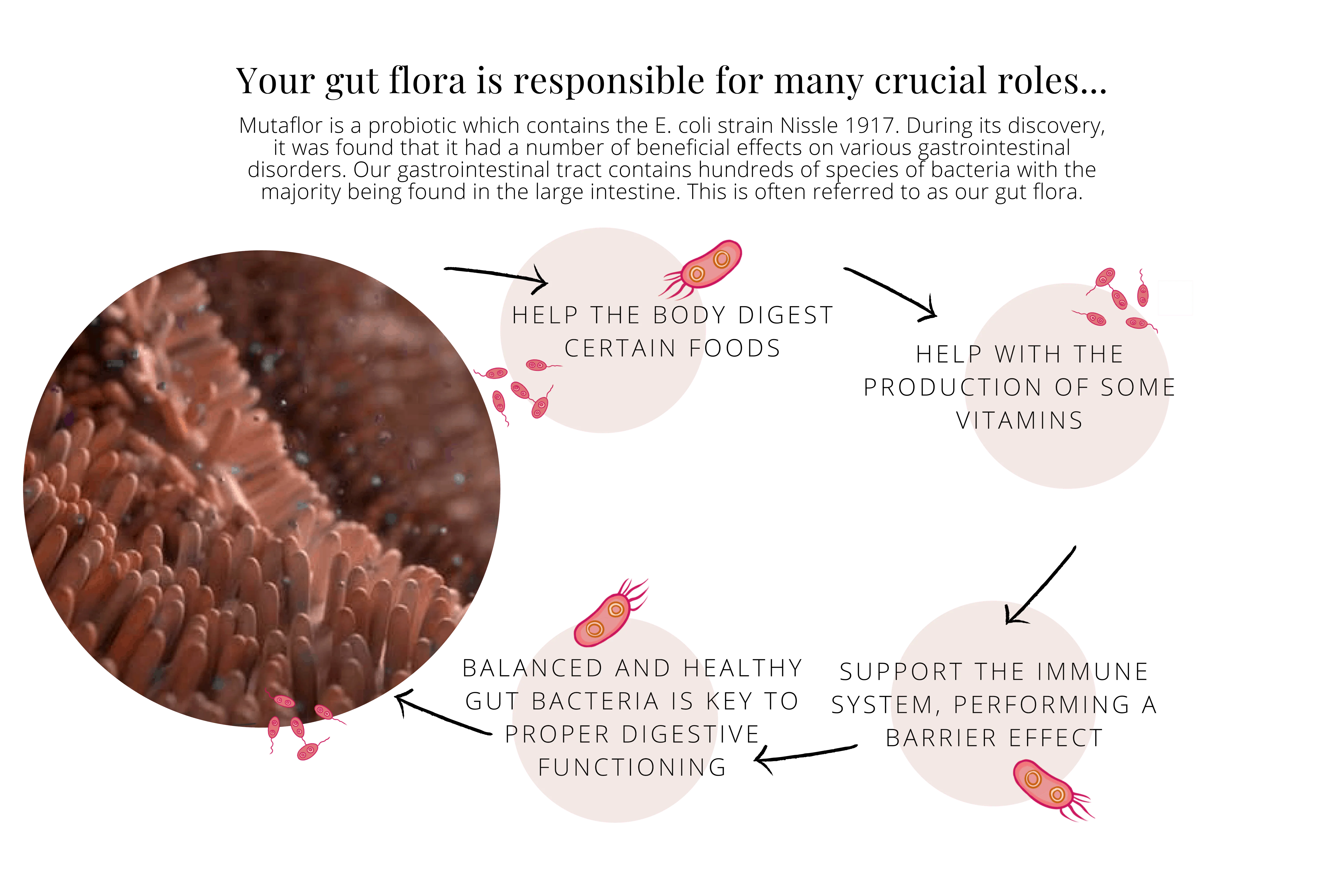
Mutaflor is a probiotic containing E. coli strain Nissle 1917. During its discovery, it was found to have beneficial effects on various gastrointestinal disorders.
Our gastrointestinal tract contains hundreds of species of bacteria, with the majority found in the large intestine. This is often referred to as our gut flora (or gut microbiome).
Your Gut Flora Is Responsible for Crucial Roles
Digestion — Helps the body digest certain foods that your own enzymes can’t break down
Vitamin production — Produces vitamins like B12, K2, and biotin
Immune support — Performs a barrier effect, preventing pathogens from colonising
Metabolic function — Balanced gut bacteria is key to proper digestive functioning
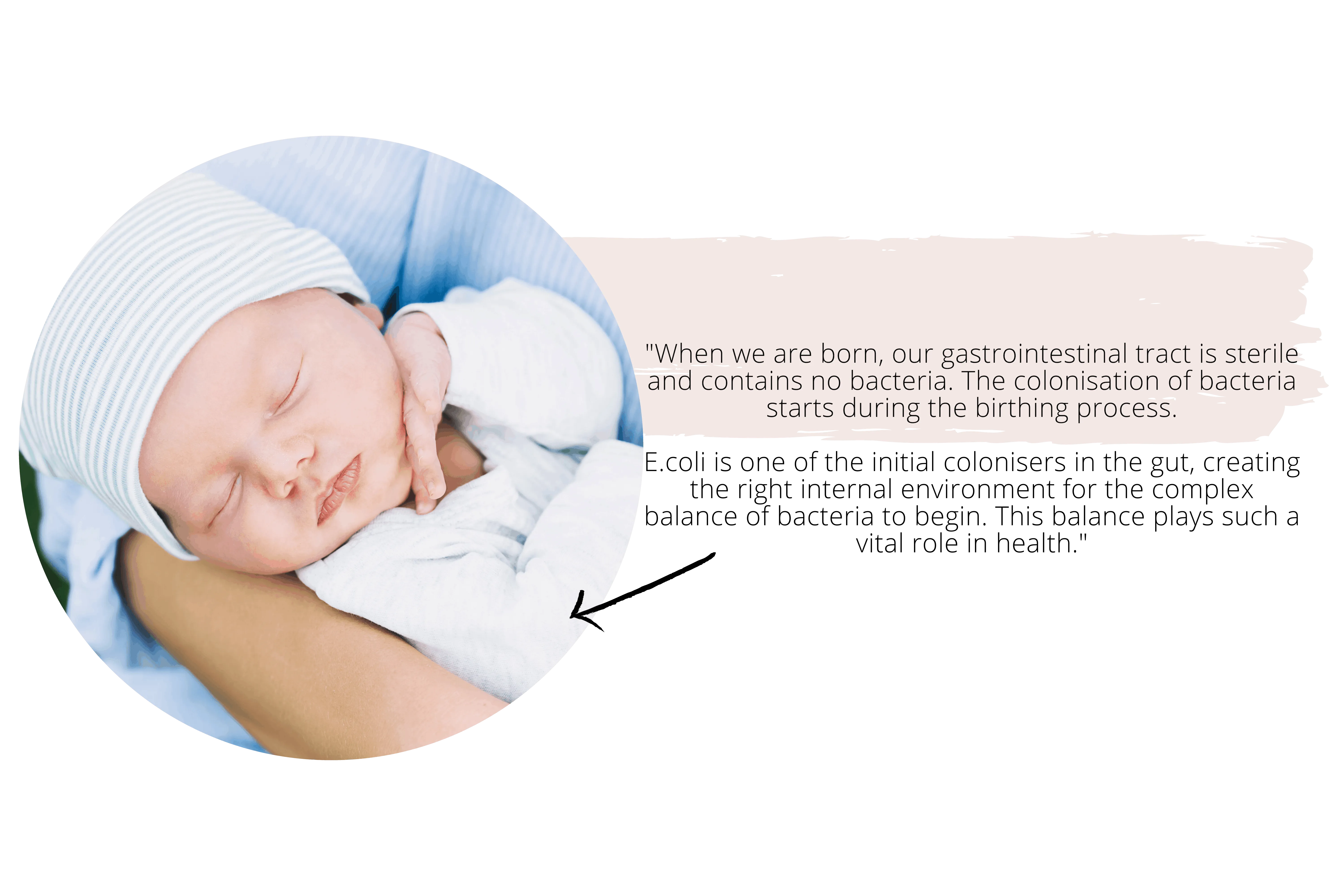
When we’re born, our gastrointestinal tract is sterile and contains no bacteria. Colonisation of bacteria starts during the birthing process. E. coli is one of the initial colonisers in the gut, creating the right internal environment for the complex balance of bacteria to begin. This balance plays a vital role in health.
As one of the first colonisers of the infant gut, E. coli plays a role in establishing and maintaining a healthy gut. It also provides a defence barrier against harmful, pathogenic bacteria.
How E. coli Nissle 1917 Protects Against Pathogenic Strains
A 2013 study investigated exactly how beneficial E. coli protects against pathogenic strains. The results showed that harmful strains of E. coli must compete with EcN to get the nutrients they need to colonise, take over, and infect the host.
In other words: E. coli Nissle 1917 starves out pathogenic E. coli by consuming the nutrients they need. This competitive exclusion prevents harmful strains from establishing themselves in your gut.
Benefits of Mutaflor Probiotic
Mutaflor is a strong probiotic commonly used to treat chronic constipation. E. coli Nissle 1917 could also be beneficial for inflammatory bowel disease, irritable bowel syndrome, leaky gut, and even mood and sleep (through serotonin production).
Let’s look at the research for each condition.
Inflammatory Bowel Disease (IBD)
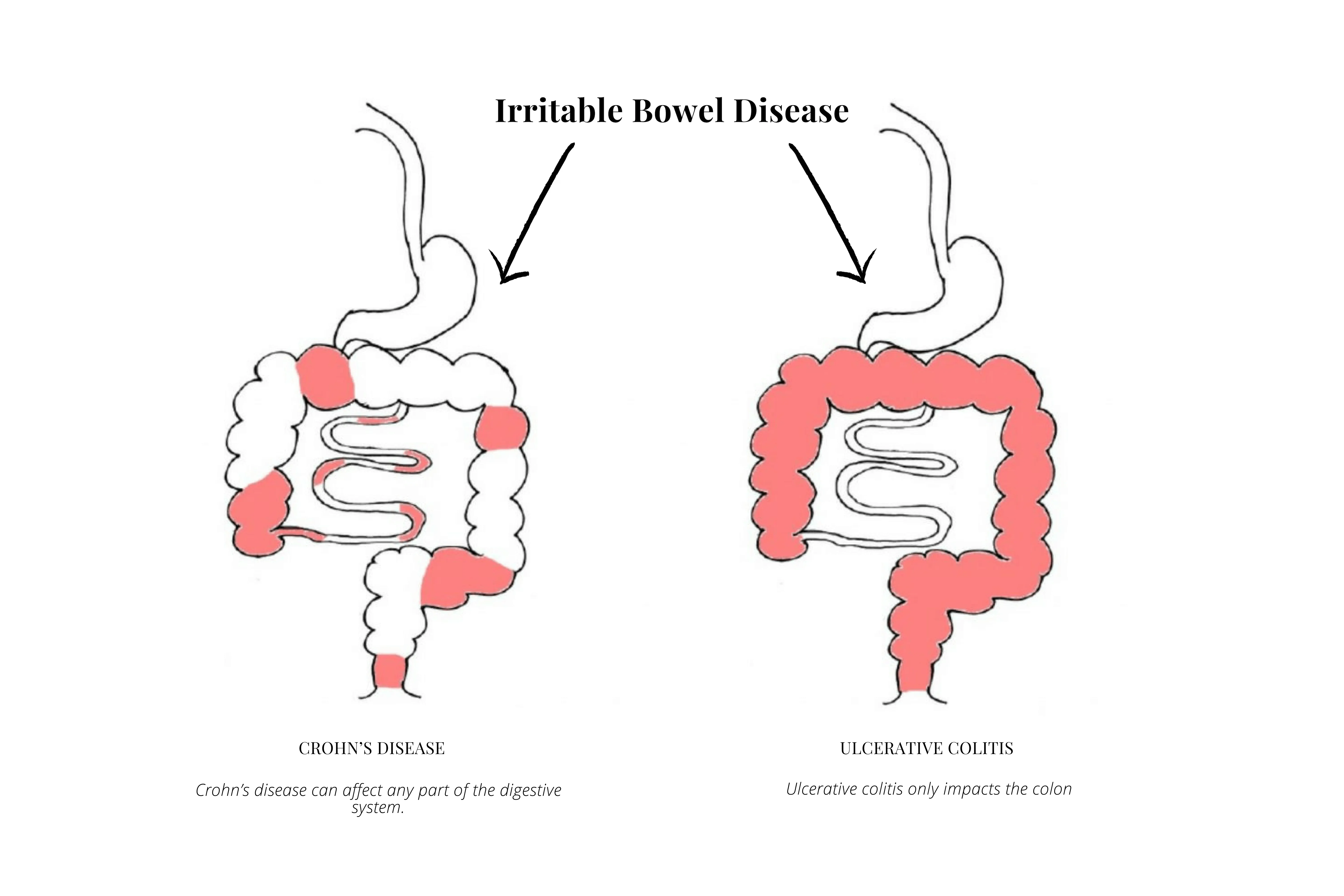
Inflammatory bowel disease (IBD) is a term generally used to cover two conditions: ulcerative colitis and Crohn’s disease. Both are long-term conditions involving inflammation of the gut. Ulcerative colitis only affects the colon, whereas Crohn’s disease can affect any part of the digestive system.
Almost 75,000 Australians have Crohn’s disease or ulcerative colitis, with the number only projected to increase. IBD is becoming more complex and more prevalent throughout the population. It’s estimated to affect 1 in 250 people aged 5–40.
Research on Mutaflor for IBD:
In three randomised studies, Mutaflor was compared with mesalazine (a medication commonly used to treat IBD) for maintaining remission in patients with ulcerative colitis.
Study 1: Compared remission behaviour in patients treated with either Mutaflor or mesalazine
Study 2: Focused on treating an acute attack
Study 3: Carried out in ten European countries, comparing E. coli Nissle 1917 to standard medication
All three studies concluded that there were no significant differences between the Mutaflor and mesalazine groups. When taken orally (two capsules daily), Mutaflor proved to be just as effective as mesalazine.
For Crohn’s disease: In one study, 28 patients with Crohn’s disease were treated with prednisolone and Mutaflor versus placebo over one year. Scientists found that once remission had been reached, the Mutaflor patient group experienced fewer relapses than the control group.
Leaky Gut
Leaky gut (also called increased intestinal permeability) is a digestive condition in which bacteria and toxins “leak” through the intestinal wall. When the intestinal walls become loose, the gut becomes more permeable and can allow bacteria and toxins to leak into the bloodstream.
When the gut is “leaky,” it causes inflammation throughout the body and may trigger a reaction from the immune system. Symptoms of leaky gut can include bloating, digestive issues, tiredness, and skin problems.
Factors that play a role in leaky gut:
Excessive alcohol intake
Very high sugar in the diet
Chronic stress
Poor gut health and dysbiosis
Yeast overgrowth
Nutritional deficiencies
Chronic inflammation
Research on Mutaflor for Leaky Gut:
One study found that probiotic E. coli strain Nissle 1917 inhibited leaky gut by enhancing mucosal integrity. A thin layer of mucus covers the epithelial cells in your gut, and this is essential for protecting these cells.
While the mucus doesn’t specifically act as an intestinal barrier, it protects our epithelial cells from inflammatory-causing bacteria and compounds. It’s vital for epithelial cell functioning, which is crucial in preventing leaky gut.
If you’re interested in learning more about leaky gut, check out our article “Do You Have Leaky Gut? (Plus Warning Signs to Look For)”.
Irritable Bowel Syndrome (IBS)
IBS affects 10–15% of the population globally, making it one of the most common gastrointestinal disorders. IBS tends to be under-diagnosed, as people with symptoms may not seek proper medical attention.
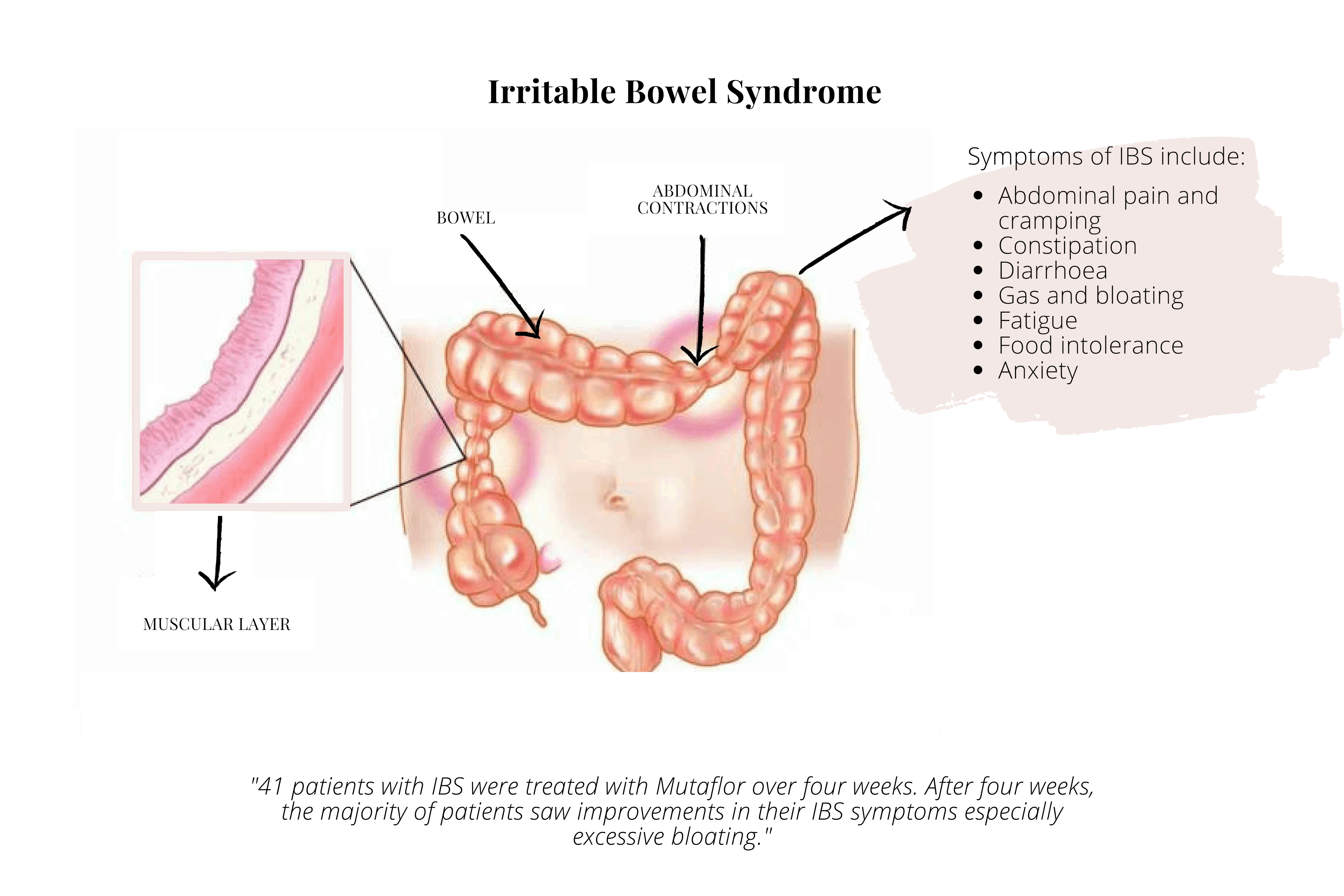
Symptoms of IBS include:
Abdominal pain and cramping
Constipation
Diarrhoea (or alternating between both)
Gas and bloating
Fatigue
Food intolerance
Anxiety
Research on Mutaflor for IBS:
The Guideline of the German Society of Digestive and Metabolic Diseases recommends probiotics such as E. coli Nissle 1917 as a treatment option for irritable bowel syndrome.
In a multicentre study, 41 patients with IBS were treated with Mutaflor over four weeks. After four weeks, the majority of patients saw improvements in their IBS symptoms, especially excessive bloating. Scientists found that 78% of patients rated the tolerance of Mutaflor as “good” to “very good.”
Chronic Constipation
Chronic constipation is one of the most common digestive complaints I hear from clients. It doesn’t just make you feel bloated—it leaves you feeling headachy, uncomfortable, and irritable.
Chronic constipation varies among different people. For some, it means infrequent bowel movements for weeks at a time. For others, it means straining or having difficulty passing stools. Either way, it’s very unpleasant.
Research on Mutaflor for Chronic Constipation:
Mutaflor has long been used as a treatment for chronic constipation. In one eight-week study, patients treated with Mutaflor reported a significant increase in weekly stool frequency compared to the placebo group.
In a randomised trial carried out over nine weeks, researchers investigated the efficacy of Mutaflor. They found that E. coli strain Nissle 1917 proved successful in treating chronic constipation and was almost entirely free of side effects.

Diarrhoea
Diarrhoea is classified as loose, watery stools passed more frequently than normal. Acute diarrhoea can last a few days, but chronic diarrhoea can last for weeks.
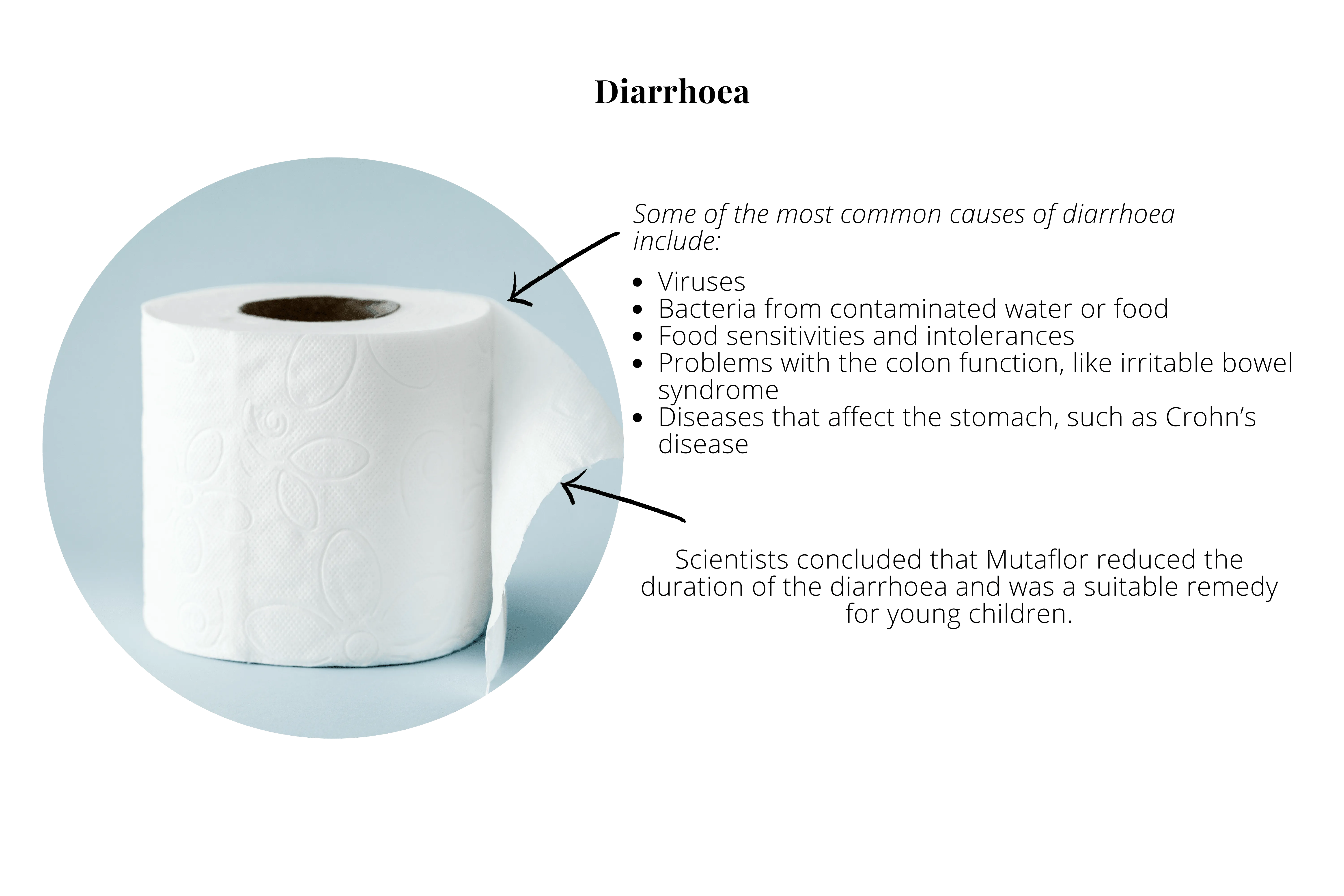
Common causes of diarrhoea include:
Viruses
Bacteria from contaminated water or food
Food sensitivities and intolerances
Problems with colon function, like IBS
Diseases that affect the stomach, such as Crohn’s disease
Research on Mutaflor for Diarrhoea:
In one study looking at acute diarrhoea in children and infants, researchers found that E. coli strain Nissle 1917 was a safe and well-tolerated treatment. It showed significant superiority over the placebo group and reduced the duration of acute diarrhoea by 2.3 days.
Another study looked at using probiotic E. coli Nissle 1917 for treating diarrhoea of more than four days’ duration in infants and toddlers. Scientists concluded that Mutaflor reduced the duration of diarrhoea and was a suitable remedy for young children.
Book Your Free Evaluation Call

Understanding If Mutaflor Is Right for You
E. coli Nissle 1917 is one of the most well-researched probiotic strains, with decades of clinical evidence supporting its use for IBD, IBS, leaky gut, constipation, and more.
But here’s what most people don’t realise: taking probiotics without knowing your bacterial balance is guesswork.
Some people have adequate beneficial E. coli and need different bacterial species entirely (like Faecalibacterium prausnitzii or Akkermansia muciniphila). Others have elevated pathogenic E. coli strains that Mutaflor can help displace.
Our AIM Method uses comprehensive testing to identify which bacterial species are depleted, which are overgrown, and which probiotics will actually work for YOUR gut—not generic recommendations.
Book Your Free Evaluation Call
E. coli Nissle 1917 and Increased Serotonin
The relationship between the gut and the brain is complex, known as the gut-brain axis. An unhappy intestine can send signals to the brain, just as a troubled brain can send signals to the gut.
Probiotics have the ability to restore bacterial balance in the gut and therefore may play a role in treating and preventing conditions such as anxiety and depression.
A growing body of evidence suggests that gut microbes can interact with and affect serotonin signalling. Serotonin is a chemical in the brain sometimes referred to as the “happy chemical” because it contributes to happiness. It’s thought to play a key role in appetite, mood, sleep, memory, and digestion. Low levels of serotonin have been linked to depression.
Sleep, Stress, and Serotonin
The amount of sleep you get each day can impact your wellbeing massively. In a report titled “Re-awakening Australia: The Economic Cost of Sleep Disorders in Australia,” it’s estimated that more than 1.5 million Australian adults suffer from some kind of sleep disorder.
Tryptophan is an amino acid that helps the body produce more serotonin. It comes from foods like spinach, turkey, salmon, and eggs. You can find a large amount of this amino acid stored in the gastrointestinal tract (GI).
Research has shown that E. coli strain Nissle 1917 is needed to convert tryptophan to serotonin. This friendly bacteria increases serotonin levels in the GI tract as well as the rest of the body.
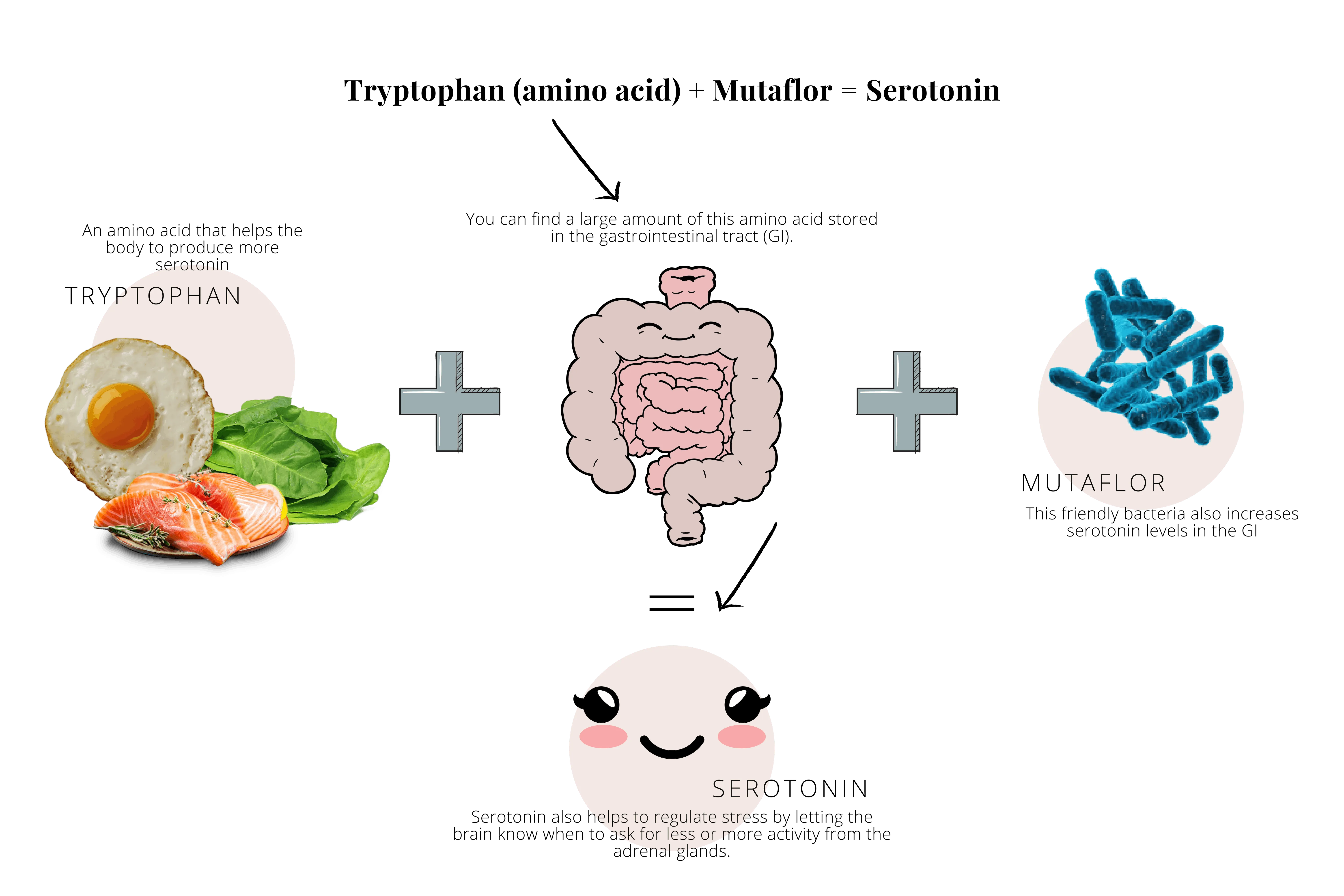
Serotonin also helps regulate stress by letting the brain know when to ask for less or more activity from the adrenal glands. Your adrenal glands help your body respond to stress by releasing hormones like adrenaline and cortisol. When there’s a healthy balance of gut bacteria, the signals sent to your brain in response to stress are less extreme—therefore less damaging to the body.

Should You Take Mutaflor? When Testing Matters
E. coli Nissle 1917 is a powerful probiotic strain backed by decades of research. But that doesn’t mean it’s the right probiotic for everyone.
Here’s what I’ve seen after analysing over 2,000 microbiome tests: some people desperately need Mutaflor, while others have adequate E. coli and need completely different bacterial species.
Taking Mutaflor (or any probiotic) without testing is guesswork. You might get lucky—or you might waste months taking the wrong strain while your gut continues to deteriorate.
When Mutaflor Is Likely to Help
1. Depleted Beneficial E. coli
If your metagenomic test shows low levels of beneficial E. coli species, Mutaflor can help re-establish this foundational bacterial strain. Remember, E. coli is one of the first colonisers in the infant gut—it creates the environment for other beneficial bacteria to thrive.
2. Elevated Pathogenic E. coli Strains
If Victoria’s analysis reveals pathogenic E. coli strains (like AIEC in Crohn’s disease), Mutaflor can compete for nutrients and colonisation sites, crowding out harmful strains.
3. IBD in Remission (Maintenance)
If you have ulcerative colitis or Crohn’s disease and you’ve achieved remission, research shows Mutaflor is as effective as mesalazine for preventing relapses.
4. Chronic Constipation Without Bacterial Overgrowth
If your constipation is due to low beneficial bacteria (not SIBO or other overgrowths), Mutaflor’s metabolites can help restore motility.
5. Leaky Gut with Weak Barrier Function
If testing shows compromised intestinal barrier integrity, Mutaflor’s ability to strengthen tight junctions and stimulate defensin production makes it an excellent choice.
When Mutaflor Probably Won’t Help
1. You Already Have Adequate E. coli
If your beneficial E. coli levels are normal, taking more won’t provide additional benefit. You need different bacterial species—like Faecalibacterium prausnitzii for butyrate production, or Akkermansia muciniphila for mucus layer support.
2. Your Gut Issues Are Driven by Fungal Overgrowth
If Candida or other fungi are driving your symptoms, E. coli Nissle 1917 won’t address the root cause. You need antifungals and specific bacterial strains that compete with fungi.
3. You Have Active SIBO or Bacterial Overgrowth
If you have small intestinal bacterial overgrowth, adding more bacteria (even beneficial strains) can worsen symptoms. You need to address the overgrowth first, then rebuild with targeted probiotics.
4. You’re Missing Other Critical Species
If your test shows severely depleted Bifidobacterium, Lactobacillus, or butyrate-producing bacteria, you might need those strains more urgently than E. coli.
Why Testing Changes Everything
When Victoria reviews your metagenomic test results, she identifies:
Current E. coli levels (beneficial and pathogenic strains)
Which bacterial species are severely depleted
Whether fungal or parasitic overgrowths are present
Your gut’s functional capacity (butyrate production, vitamin synthesis, etc.)
This information allows me to recommend probiotics strategically—not based on marketing claims, but based on YOUR specific bacterial imbalances.
The bottom line: Mutaflor is powerful when used correctly. But “correctly” means knowing whether YOUR gut actually needs it.
Book Your Free Evaluation Call
Stop Guessing. Start Testing.
If you’ve been taking probiotics for months without improvement—or if you’re unsure which probiotic strains you actually need—it’s time to test.
Our AIM Method combines comprehensive metagenomic testing (reviewed by Victoria, our in-house microbiologist) with personalised protocols that address YOUR specific bacterial imbalances.
We don’t recommend Mutaflor to everyone. We recommend it when testing shows you need it.
Book a free 15-minute evaluation call to discuss your symptoms and whether comprehensive testing could finally give you answers.
Book Your Free Evaluation Call
Find Out Which Probiotics YOUR Gut Actually Needs
Mutaflor is powerful—but only if your gut needs E. coli Nissle 1917. Taking probiotics without testing is expensive guesswork.
At Prana Thrive, we use our AIM Method to identify which bacterial species are depleted, which are overgrown, and which probiotics will actually restore balance in YOUR gut:
Analyse — Comprehensive metagenomic testing reveals your E. coli levels (beneficial and pathogenic strains), depleted bacterial species, fungal overgrowths, and functional capacity. Reviewed by Victoria (our in-house microbiologist) and me (after analysing over 2,000 microbiome tests).
Integrate — A personalised protocol designed for YOUR bacterial imbalances. If testing shows depleted beneficial E. coli or elevated pathogenic strains, we might recommend Mutaflor. If testing shows you need Faecalibacterium, Akkermansia, or other species, we’ll recommend those instead. Not generic advice—targeted probiotics based on your test results.
Monitor — Ongoing support with regular check-ins, protocol adjustments, and retesting to ensure the probiotics are actually working. We track your progress for 3–6 months until your gut is restored.
This isn’t guesswork. It’s precision.
We’ve helped over 2,000 clients restore their gut health by identifying which probiotics they actually need—not which probiotics have the best marketing.
Book a free 15-minute evaluation call to discuss your symptoms, health history, and whether comprehensive testing is right for you.
We work with a limited number of clients each month to ensure everyone receives personalised attention. If you’re ready to stop guessing which probiotics to take and get real answers about your bacterial balance, book your call now.
Book Your Free Evaluation Call
Summary
A strain of E. coli isn’t the first thing that comes to mind when you think of a probiotic or treatment for constipation. The role our gut bacteria plays in overall health is regularly underestimated.
By establishing and maintaining a healthy gut, you’re better protected against harmful bacteria. Isolated over 100 years ago in WWI trenches, E. coli Nissle 1917 could play a major part in gut health and encouraging a properly functioning digestive system.
The research is clear: Mutaflor is effective for IBD, IBS, leaky gut, chronic constipation, and even serotonin production. But effectiveness depends on whether it’s the right probiotic for YOUR gut.
This is one of the many bacterial strains I analyse when reviewing microbiome test results. I’ve seen incredible results with clients when using Mutaflor in a targeted way—when testing shows they actually need it.
Book Free Call
No pressure. No obligation. Just clarity on which probiotics YOUR gut actually needs.
Q: Is E. coli Nissle 1917 safe? Isn't E. coli dangerous?
A: E. coli Nissle 1917 is a non-pathogenic strain that doesn't produce toxins or cause illness. It's been used safely for over 100 years with minimal side effects. Pathogenic E. coli strains (like E. coli O157:H7 that causes food poisoning) are completely different—they produce enterotoxins and cytotoxins that E. coli Nissle 1917 does not produce. Research shows Mutaflor is safe even for infants, children, and people with IBD.
Q: How is Mutaflor different from other probiotics?
A: Most probiotics contain Lactobacillus or Bifidobacterium species. Mutaflor contains E. coli—one of the first bacterial colonisers in the infant gut. E. coli Nissle 1917 has unique abilities: it competes directly with pathogenic E. coli for nutrients, strengthens intestinal tight junctions, stimulates defensin production, and converts tryptophan to serotonin. No other probiotic strain does all of these things.
Q: Can I take Mutaflor if I have IBD?
A: Yes—in fact, research shows Mutaflor is as effective as mesalazine (standard IBD medication) for maintaining remission in ulcerative colitis. For Crohn's disease, studies show it reduces relapses when used alongside standard treatment. However, you should work with a practitioner who can monitor your progress and adjust your protocol based on how you respond.
Q: How long does it take to see results from Mutaflor?
A: This varies depending on the condition and your starting bacterial balance. For acute diarrhoea, studies show improvement within 2–3 days. For chronic constipation, most people see increased stool frequency within 2–4 weeks. For IBD maintenance, effects accumulate over 3–6 months. For leaky gut repair, expect 3–6 months of consistent use alongside gut barrier support protocols.
Q: Should I take Mutaflor if I don't have gut symptoms?
A: Probably not. Mutaflor is a therapeutic probiotic designed to address specific bacterial imbalances. If you don't have symptoms and your gut is functioning well, you likely don't need it. If you want to support general gut health, focus on eating diverse fiber-rich foods that feed your existing beneficial bacteria.
Q: Can I take Mutaflor while on antibiotics?
A: Generally, no—antibiotics will kill E. coli Nissle 1917 along with other bacteria. Wait until you've finished your antibiotic course, then start Mutaflor to help rebuild beneficial bacteria. Some practitioners recommend starting probiotics 2–3 hours after taking antibiotics (to minimise interaction), but E. coli is particularly vulnerable to most antibiotics.
Q: How do I know if I need Mutaflor or a different probiotic?
A: Testing. Comprehensive metagenomic testing shows your current E. coli levels (beneficial and pathogenic strains), which bacterial species are depleted, and whether fungal or parasitic overgrowths are present. If testing shows depleted beneficial E. coli or elevated pathogenic strains, Mutaflor is an excellent choice. If testing shows you need Faecalibacterium, Akkermansia, or other species, you'll need different probiotics. Without testing, you're guessing.
Q: Where can I buy Mutaflor in Australia?
A: Mutaflor is available from some compounding pharmacies and naturopathic clinics in Australia. However, I recommend working with a practitioner who can determine whether Mutaflor is appropriate for your specific bacterial imbalances—rather than buying it based on marketing claims or general symptoms.