Gut Bacteria and Weight: Everything You Need to Know


Author:
Amanda Ledwith, BHSc Naturopathy
Last Updated:
Reading Time:
13 mins
Categories:
Gut Health
gut-bacteria-weight
What You'll Learn
Your gut bacteria play a significant role in how your body extracts energy from food, stores fat, and regulates appetite. Research shows distinct differences between the microbiomes of lean and overweight individuals—particularly in the balance between two major bacterial groups: Firmicutes and Bacteroidetes.
These bacteria produce short-chain fatty acids (SCFAs) that influence metabolism, inflammation, and satiety signals. Key species like Akkermansia muciniphila are associated with better weight outcomes, while chronic low-grade inflammation driven by bacterial imbalances can promote insulin resistance and fat storage.
Understanding your unique microbiome composition through testing provides the foundation for targeted interventions that address root causes rather than symptoms.
Why Traditional Weight Loss Approaches Often Fail
If you’ve tried counting calories, tracking macros, portion control, low-fat, low-carb, high-fat, keto—and still the weight stayed or crept back on—you’re not alone.
Weight concerns are a global issue. Nearly two-thirds of the world’s population qualifies as overweight or obese. That’s close to 2 billion people.
There’s something else going on. And while these numbers are concerning, they also mean your weight struggles aren’t simply about willpower:
It’s far bigger than “calories in, calories out”
It’s more complex than a lack of discipline
And it’s certainly more serious than a few extra kilos around the middle
Every year, obesity contributes to millions of premature deaths—4.7 million worldwide. Until recently, we hadn’t identified effective long-term solutions. The missing piece? Your gut microbiome.
Understanding Healthy Weight
Before exploring the gut-weight connection, it’s worth acknowledging that everyone’s ideal weight is different. Multiple factors influence what’s healthy for you:
Genetics — inherited tendencies and body composition
Lifestyle — stress levels, work patterns, family responsibilities
Location — food availability and climate
Culture — social habits around food and body image

The Limitations of BMI
Body Mass Index (BMI) is the standard method for comparing weight across populations. The calculation divides weight in kilograms by height in metres squared.


However, BMI has significant limitations:
Athletes with high muscle mass may be classified as “obese” despite low body fat
People of Asian heritage tend to have lower healthy BMI ranges
People of Polynesian origin often have higher healthy BMI ranges
Older adults may have different healthy ranges
Pregnancy requires different considerations entirely
Recent evidence suggests that diet quality and metabolic health markers may be more meaningful than BMI alone. A healthy diet and lifestyle is far more important than a number on the scale.
The Obesogenic Environment
Two generations ago, being overweight was relatively rare. The World Health Organisation reports that worldwide obesity has tripled since 1975—an increase of 400 million people in just 8 years.
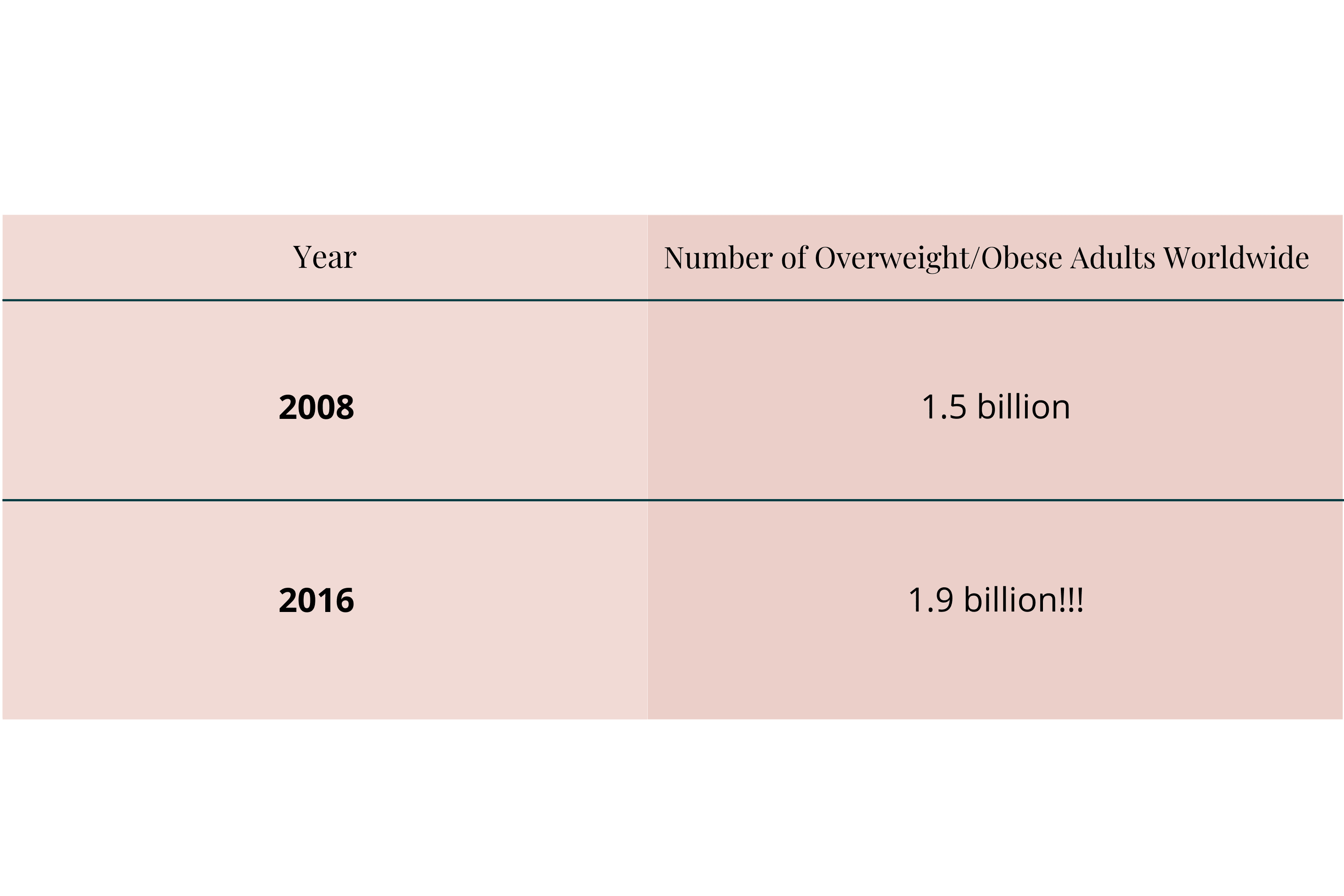
What changed? Researchers have coined the term “obesogenic environment” to describe the multiple factors driving this trend. We’ve collectively created conditions that promote fat storage:
Diet — High-fat, high-sugar, nutrient-deficient processed foods
Inactivity — Sedentary lifestyles; prolonged sitting is highly predictive of obesity and diabetes
Stress — Chronic psychological stress promotes weight retention
Sleep disruption — Irregular sleep patterns linked to weight gain
Genetics — Inherited predispositions (though only part of the picture)
Birth method — Caesarean delivery affects initial microbiome colonisation
Toxin exposure — “Obesogens” disrupt hormones regulating metabolism
Food supply changes — Agricultural practices, processing, and distribution have transformed food quality
Social pressures — Cultural norms around food and alcohol consumption
Microbiome disruption — Antibiotics, antibacterial chemicals, and Western dietary patterns alter gut bacteria
Despite pharmaceutical interventions, surgical options, new diets, and exercise programmes, sustainable weight loss remains elusive for many people. The reason? These approaches often miss the microbial component.

The Microbiome Connection
Recent advances in DNA sequencing have enabled detailed research into the links between obesity and gut bacteria. Studies comparing the microbiomes of lean and obese individuals reveal distinct differences—differences that determine how the body extracts and processes energy from food.
Your gut bacteria can control:
The amount of energy released from your food
How that energy is processed and stored
Appetite and satiety signals
Inflammation levels that affect metabolism
This shifts the paradigm from viewing weight as purely a matter of food choices to understanding it as a complex ecosystem issue.
What’s Living in Your Gut?
Your gut houses trillions of microorganisms—between 500 and 1,000 bacterial species, though everyone’s composition is unique. These bacteria:
Use the food you eat to grow and form complex networks
Exchange nutrients and energy with each other and with you
Extract nutrients from food and release metabolites as part of their life cycles
Influence everything from immune function to mood
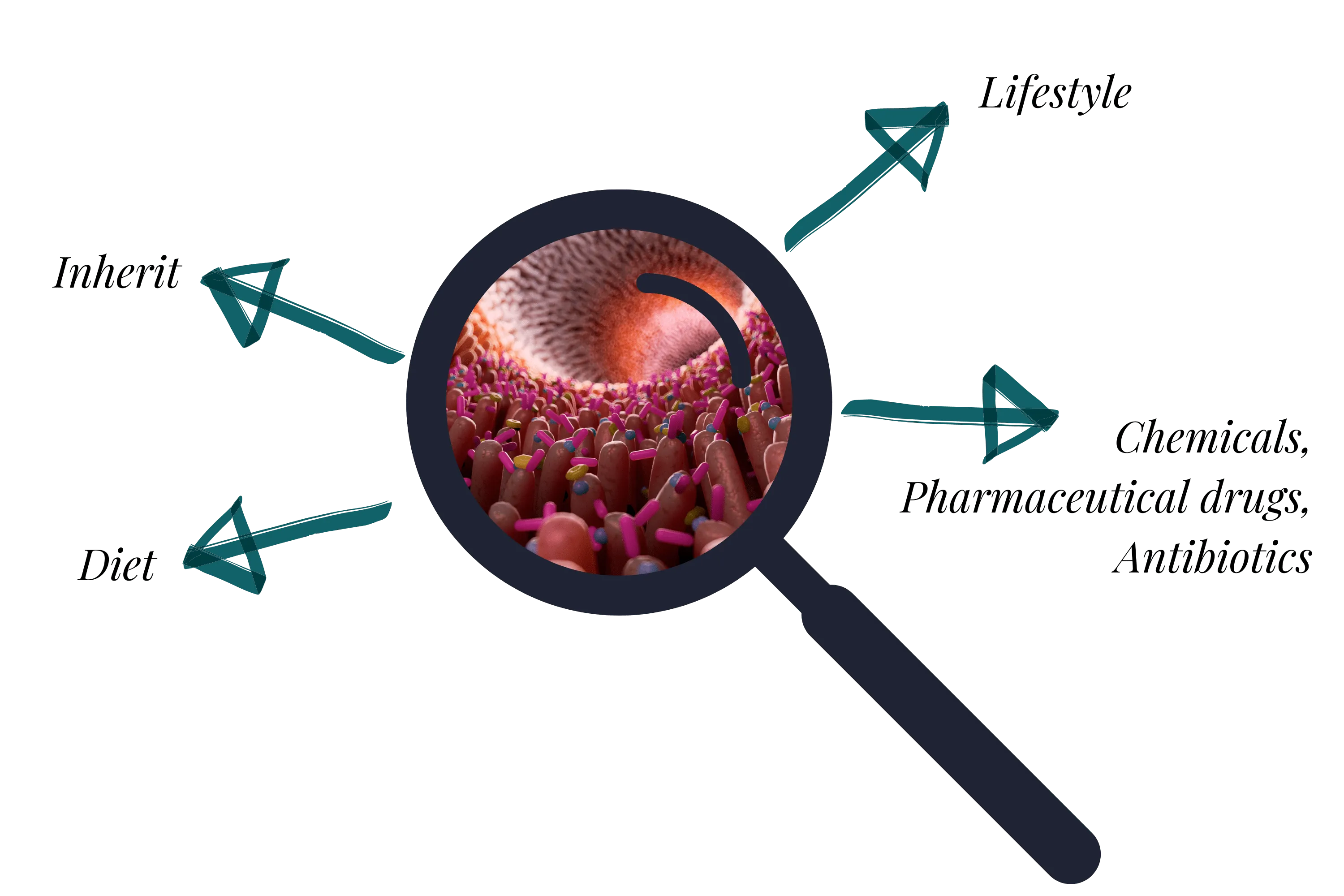
Several factors determine your gut bacterial composition:
Inheritance — You acquire some of your microbiome from your mother
Diet — The food you eat feeds specific bacterial groups
Lifestyle — Environment, exercise, stress, and relationships shape your microbiome more than previously understood
Medications — Antibiotics and other drugs significantly affect gut inhabitants
Your gut bacteria are deeply involved in nutrient extraction from food, making the microbiome a critical—and often overlooked—factor in weight management.
How Specific Bacteria Influence Weight
Certain bacteria directly affect metabolic processes and weight regulation.
Akkermansia muciniphila is associated with better weight loss outcomes and supports gut lining integrity. Research consistently shows that people with healthy levels of this species tend to have more favourable metabolic profiles.
E. coli (specifically the Nissle 1917 strain) releases proteins that activate satiety signals—that “full feeling” that helps regulate food intake.
Short-chain fatty acids (SCFAs) like butyrate and propionate, produced when bacteria ferment fibre and resistant starch, stimulate gut hormones that reduce food intake.
SCFAs are produced primarily by two major bacterial groups: Firmicutes and Bacteroidetes.
Firmicutes vs Bacteroidetes: The Weight Connection
Significant research has examined the ratio of Firmicutes to Bacteroidetes in relation to weight.
While findings are nuanced, it’s generally understood that a higher Firmicutes-to-Bacteroidetes ratio suggests more “energy-harvesting” bacteria than optimal—potentially contributing to weight gain and metabolic dysfunction.
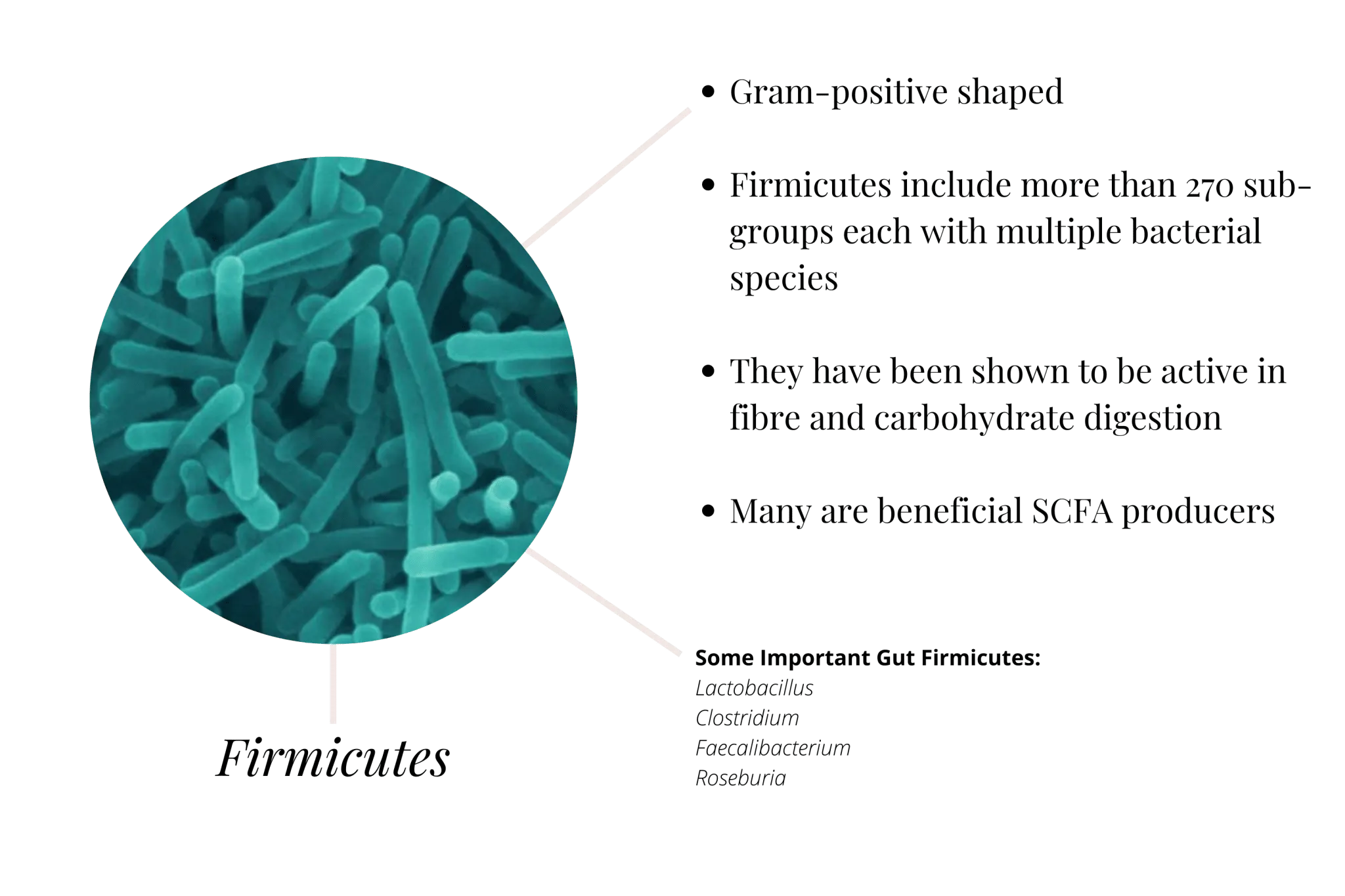
Firmicutes
This diverse group includes over 270 sub-groups of rod-shaped, Gram-positive bacteria. Firmicutes are active in fibre and carbohydrate digestion and include many beneficial SCFA producers. They generally produce acetate and propionate.
Propionate benefits include:
Regulating liver glucose release
Triggering anti-inflammatory molecule release
Supporting appetite control
Bacteroidetes
This group consists of rod-shaped, Gram-negative bacteria found throughout the environment and human gut. Bacteroidetes contribute to:
Energy production and conversion
Amino acid transport and metabolism
Carbohydrate digestion
Bacteroidetes produce acetate and butyrate—the latter being particularly important for gut lining health and metabolic regulation.

Many conditions, including IBS and metabolic dysfunction, are associated with imbalances between these groups.
🔬 VICTORIA’S EXPERT INSIGHT
“When I analyse microbiome test results for clients struggling with weight, I look beyond simple Firmicutes-to-Bacteroidetes ratios. The specific species within these groups matter enormously. For example, Faecalibacterium prausnitzii (a Firmicute) is actually associated with leanness and reduced inflammation, while certain other Firmicutes species correlate with weight gain. I also assess butyrate-producing capacity, Akkermansia levels, and markers of metabolic endotoxemia. This detailed analysis reveals why two people eating identical diets can have vastly different weight outcomes—their bacterial populations are processing that food completely differently.”
— Victoria, Microbiologist
Book Your Free Evaluation Call

The Inflammation-Weight Connection
Inflammation plays a critical role in weight gain and metabolic dysfunction.
Internal inflammation affects cellular processes and contributes to numerous health problems. One microbiome-driven cause is an overabundance of certain Gram-negative bacteria that carry lipopolysaccharides (LPS) in their cell walls. LPS triggers immune responses and promotes systemic inflammation.
The inflammation cascade:
Bacterial imbalance increases LPS exposure
LPS triggers immune activation and inflammation
Chronic inflammation promotes insulin production
Excess insulin makes fat burning difficult
Insulin resistance develops, further promoting fat storage
Inflammation and insulin resistance are key drivers of metabolic syndrome—a cluster of conditions that significantly increases disease risk.
This is where addressing gut dysbiosis and supporting gut lining integrity becomes essential for sustainable weight management.
Feeding Your Microbiome for Healthy Weight
Understanding the microbiome-weight connection opens new approaches beyond traditional diet and exercise advice. One powerful strategy is eating to promote bacteria that produce beneficial SCFAs.
To encourage butyrate production: Eat foods containing resistant starch—cooked and cooled potatoes, green bananas, legumes, and cassava.
To encourage propionate production: Include legumes, whole grains, fruits, and vegetables that feed Firmicutes species.
For comprehensive guidance on feeding beneficial bacteria, see our guides to prebiotics and probiotics.

The Role of Dietary Fats
Fat quality significantly affects your microbiome composition. Simply put: healthy fats support beneficial bacteria, while processed fats feed problematic species.
Fats to Avoid
Processed oils undergo hydrogenation, creating trans fats with molecular structures that differ from natural fats. These oils are high in omega-6 fatty acids; while some omega-6 is necessary, excess amounts promote inflammation and weight gain.
Avoid where possible:
Canola oil
Soybean oil
“Vegetable” oil blends
Other highly processed seed oils
These fats promote cellular inflammation, encourage growth of non-beneficial bacteria, and contribute to heart disease, diabetes, and metabolic dysfunction.
Fats to Include
Sources of healthy fats (and omega-3 fatty acids) include:
Grass-fed beef
Wild-caught fish
Extra-virgin olive oil
Coconut oil
Avocados
Grass-fed butter
The Western Diet Problem
While inflammation receives significant attention in obesity research, the Western diet and lifestyle pattern is a fundamental driver. This includes:
Takeaway foods — Often prepared with cheap, inflammatory oils
Processed and packaged foods — Low in fibre, high in sugar and damaged fats
Chronic stress — A strong inflammation promoter that disrupts microbiome balance
Antibiotic overuse — Wreaks havoc on gut bacteria populations, both beneficial and harmful
These factors collectively create an environment where weight gain becomes the default rather than the exception.
Six Steps to Support Healthy Weight Through Your Microbiome
1. Prioritise Whole Foods
Whole foods are naturally higher in fibre and feed the bacteria you want more of. Focus on leafy greens and aim to make two-thirds of your plate vegetables. Combine with healthy fats and quality protein sources.
2. Include Resistant Starch
Resistant starches like cassava, green bananas, and cooked-then-cooled rice feed bacteria that produce beneficial SCFAs. These starches resist human digestion and rely on bacterial fermentation—delivering metabolic benefits in the process.
3. Choose Healthy Fats
Prioritise omega-3-rich foods: avocados, olive oil, grass-fed butter, and oily fish. Check labels on mayonnaise, dressings, dips, and spreads—processed oils often hide in these products. Better yet, make them at home using our recipes.
4. Include Fermented Foods
Fermented foods directly introduce beneficial bacteria to your gut. Excellent options include sauerkraut, kimchi, miso, and kefir. These can help crowd out problematic species while supporting digestive function.
5. Consider Targeted Probiotics
Quality probiotic supplements contain higher CFU counts and more diverse, well-researched strains. However, the most effective approach is selecting specific strains based on your individual microbiome profile—which requires testing to identify what’s actually needed.
6. Protect Your Sleep
Research shows that sleep deprivation alters gut bacteria composition, reduces insulin sensitivity, and promotes weight gain—effects visible after just two nights of poor sleep. Aim for 7–8 hours of quality sleep and maintain consistent sleep timing.
Ready for a Targeted Approach?
Sustainable weight management requires understanding what’s actually happening in your gut—not guessing based on symptoms or generic advice.
At Prana Thrive, we use comprehensive metagenomic testing to identify your specific bacterial populations, including the Firmicutes-to-Bacteroidetes ratio, SCFA-producing capacity, Akkermansia levels, and markers of metabolic inflammation. Every test is reviewed by Amanda (who has personally analysed over 2,000 individual microbiome tests) with scientific oversight from Victoria, our in-house microbiologist.
Our AIM Method™ (Analyse → Integrate → Monitor) provides:
Analyse: Comprehensive testing reveals your unique microbiome signature—which bacteria are present, which are missing, and how they’re affecting your metabolism
Integrate: A personalised protocol addressing your specific imbalances, including targeted dietary changes, prebiotics, probiotics, and lifestyle modifications
Monitor: Follow-up testing and consultations to track bacterial shifts and metabolic improvements, adjusting your protocol as your microbiome changes
Book a free 15-minute evaluation call to discuss your situation and find out if our testing-guided approach is right for you.
We work with a limited number of clients each month to ensure everyone receives the attention they deserve. If you’re ready to understand the microbial factors affecting your weight—book your call now.
Book Your Free Evaluation Call
Related Articles:
Service Pages:
Can gut bacteria really cause weight gain?
Yes, though it's more accurate to say bacterial imbalances contribute to weight gain through multiple mechanisms. Certain bacterial profiles extract more calories from food, promote inflammation that drives insulin resistance, and alter hormones that regulate appetite and fat storage. Research transplanting gut bacteria from obese mice into lean mice consistently demonstrates that the recipients gain weight—even without changes to diet or exercise.
Which gut bacteria help with weight loss?
Several species are associated with healthier weight profiles. Akkermansia muciniphila is strongly linked to metabolic health and leanness. Christensenella minuta appears to be heritable and associated with lower BMI. Butyrate-producing bacteria like Faecalibacterium prausnitzii support gut lining integrity and reduce inflammation. However, the overall balance and diversity of your microbiome matters more than any single species.
How long does it take to change gut bacteria for weight loss?
Dietary changes can shift bacterial populations within days, but establishing lasting changes typically takes 3–6 months of consistent dietary and lifestyle modifications. The timeframe depends on your starting point, the severity of any dysbiosis, and whether underlying issues like SIBO need addressing first. Testing before and after allows you to track actual changes rather than guessing.
Should I take probiotics for weight loss?
Probiotics can support weight management, but generic supplements may not address your specific imbalances. Some probiotic strains have shown benefits for weight and metabolic health in research, while others have no effect or may even be counterproductive depending on your existing bacterial profile. Testing reveals which species you're lacking, allowing for targeted rather than random supplementation.
Does the gut-weight connection explain why diets stop working?
Partly, yes. When you restrict calories, your microbiome can adapt to extract more energy from less food—a survival mechanism that undermines weight loss efforts. Additionally, bacterial populations that were driving inflammation and metabolic dysfunction don't automatically resolve with calorie restriction. This is why addressing the microbiome directly often produces more sustainable results than focusing solely on calorie balance.
Can antibiotics cause weight gain?
Research increasingly supports this connection. Antibiotics disrupt gut bacterial populations, often reducing diversity and beneficial species while allowing opportunistic bacteria to proliferate. Studies show that antibiotic exposure—particularly repeated courses—is associated with increased weight gain. This effect is pronounced enough that antibiotics have been used in livestock farming specifically to promote weight gain. If you’ve had multiple antibiotic courses, microbiome testing can reveal lasting impacts and guide recovery.